

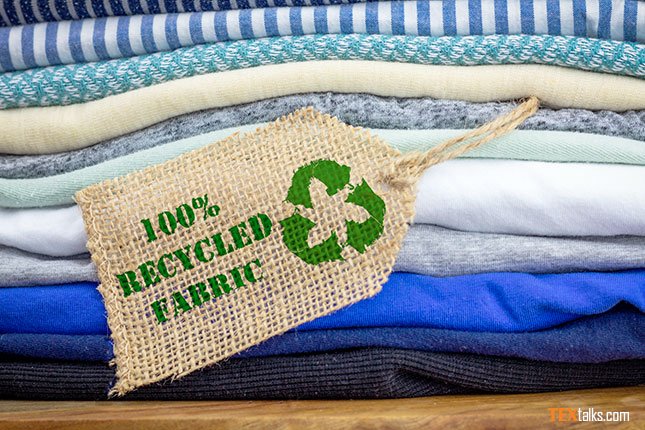
As the population of the World is increasing, the demand for textiles is increasing.
This increased demand is associated with colossal waste generation.
Similarly, in c, the fashion industry has driven a sharp increment in domestic textiles’ availability. The Federal Association for Secondary Raw Materials and Waste Disposal conducted a study and reported that in 2018, textile waste totalled around 53,000 tons compared to 20,000 tons in 2015.
Circular Berlin is a German non-profit organization contributing to research, community-building, and practical programs. The company is committed to a functioning circular economy in the fashion industry. Circular Berlin has recently announced that a lack of interest from companies and inefficient processes can separate and recycle used textiles in a meaningful way.
This lack of interest from industrialists could be attributed to much money and the requirement of long development times in useful separation and recycling. Besides, recycling often fails due to inadequate labelling of the materials.
It is not always clear which material composition is present and which chemicals were used in the production.
Circular Berlin emphasized that the textile design process is the first and most crucial starting point regarding waste management. The designers could have a great deal of influence on which path the textiles will take later; whether they end up in the incinerator, are downcycled to building materials.
Thus, young designers should come up with innovative ideas to tackle sustainability issues.
