

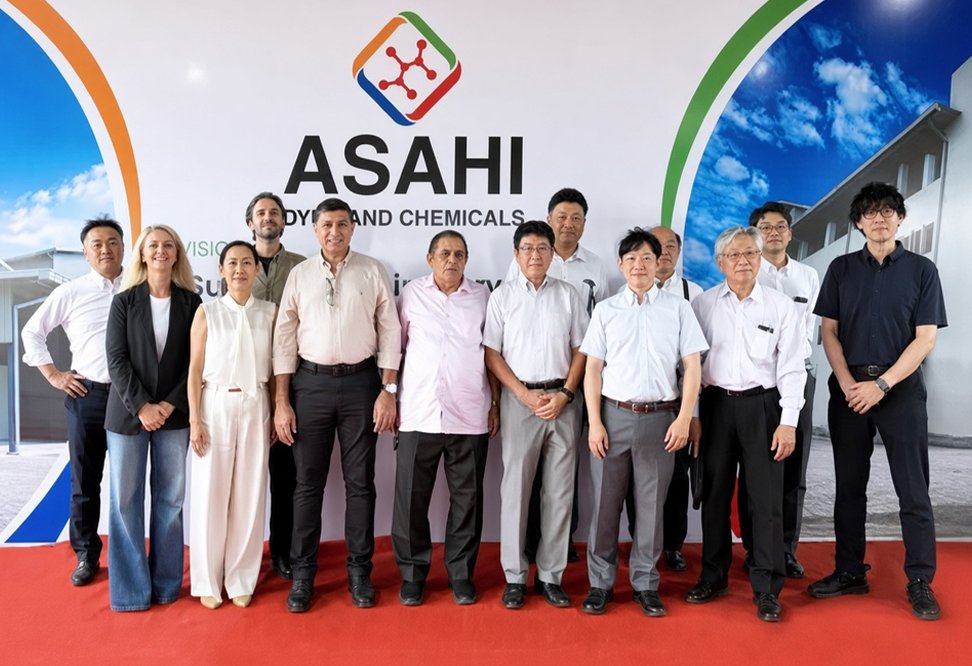
The new facility combines washing, dyeing, laser, ozone and drying technologies in one development centre, shortening the route from garment experimentation to industrial production.
Italian finishing-machinery specialist Tonello has partnered with Asahi Dyes and Chemicals and Sri Lanka’s Asons to establish a new garment-finishing innovation hub, giving brands and manufacturers a single location to develop and test complete finishing processes.
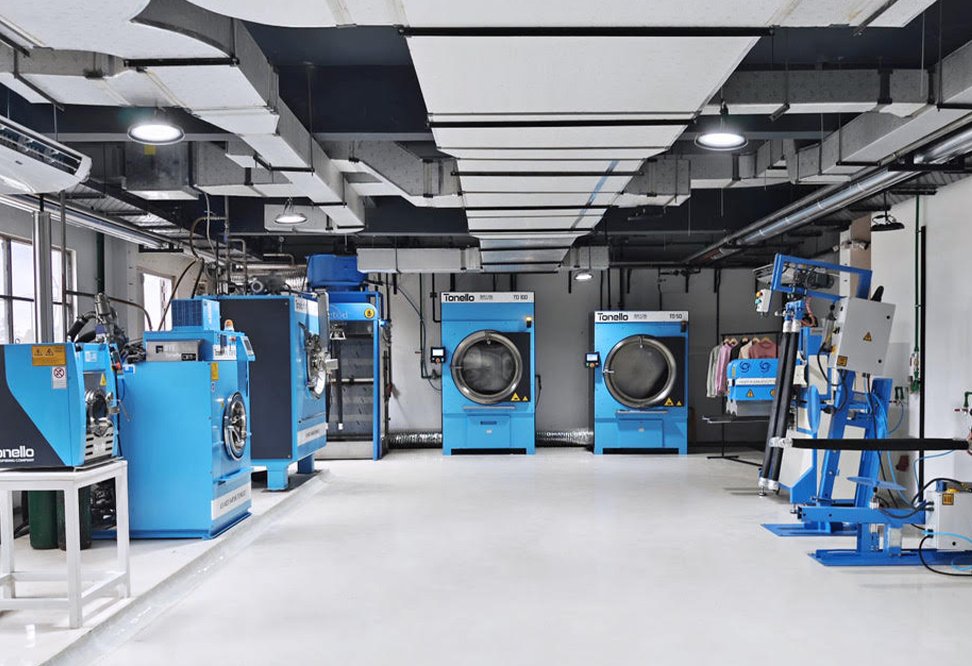
The facility brings together Japanese chemical expertise, Sri Lankan industry knowledge and Tonello’s garment-processing technology, with systems covering washing, dyeing, laser treatment, ozone processing, drying and digital process control.
From sampling to production
The hub is designed to address a persistent finishing challenge: a successful laboratory effect does not automatically translate into a stable industrial recipe.
Companies will be able to test treatments on garments, vary chemistry and machine settings, analyse process data and refine combinations before transferring them to production. Laser treatments, for example, can be evaluated together with subsequent wet processes, while ozone, dyeing, washing and drying parameters can be optimised as one sequence rather than isolated operations.
Tonello’s wider technology portfolio includes low-liquor-ratio washing and dyeing systems, digital consumption monitoring and ozone-based finishing, reflecting the industry’s push toward lower water, chemical and energy use.
Sri Lanka deepens vertical integration
The innovation hub complements a much larger investment by the same local partners. Asahi Dyes and Chemicals and Asons opened a $20.4 million manufacturing facility at the Biyagama Export Processing Zone in August, creating 281 direct jobs.
The plant will manufacture textile dyes, printing chemicals and finishing chemicals for Sri Lanka and regional export markets. The Board of Investment says the project should reduce reliance on imported chemical inputs and strengthen vertical integration of the country’s apparel sector.
Finishing capability moves closer to buyers
For Sri Lankan garment exporters, the strategic benefit is faster product development and stronger local technical support. Brands can experiment with aesthetics, chemistry and resource-saving processes closer to production rather than relying entirely on overseas development centres.
The key test will be how effectively the hub converts trials into scalable commercial recipes. If successful, it could strengthen Sri Lanka’s position not only as an apparel manufacturing base, but as a regional centre for higher-value, lower-impact garment finishing and product innovation.
