The German textile machinery manufacturer has introduced a high-speed double needle bar raschel machine designed to improve productivity, production flexibility and fabric quality in footwear, sportswear and technical textile applications.
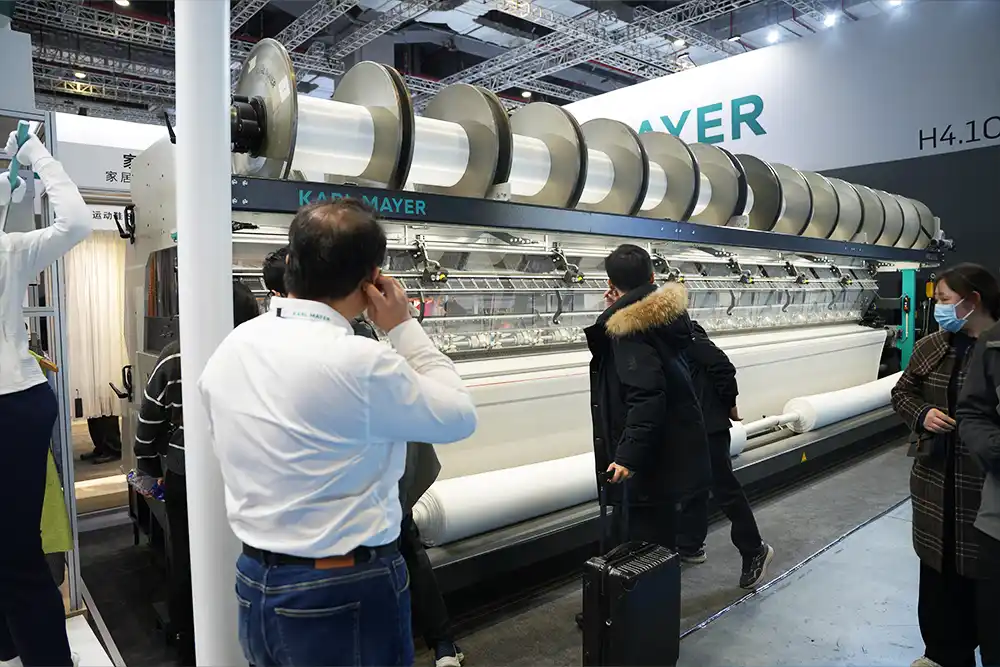
German textile machinery manufacturer Karl Mayer has introduced the RD 7/2-6 MAX, a seven-bar double needle bar raschel machine operating at 1,400 min⁻¹, which the company claims is more than 30% faster than comparable machines currently available.
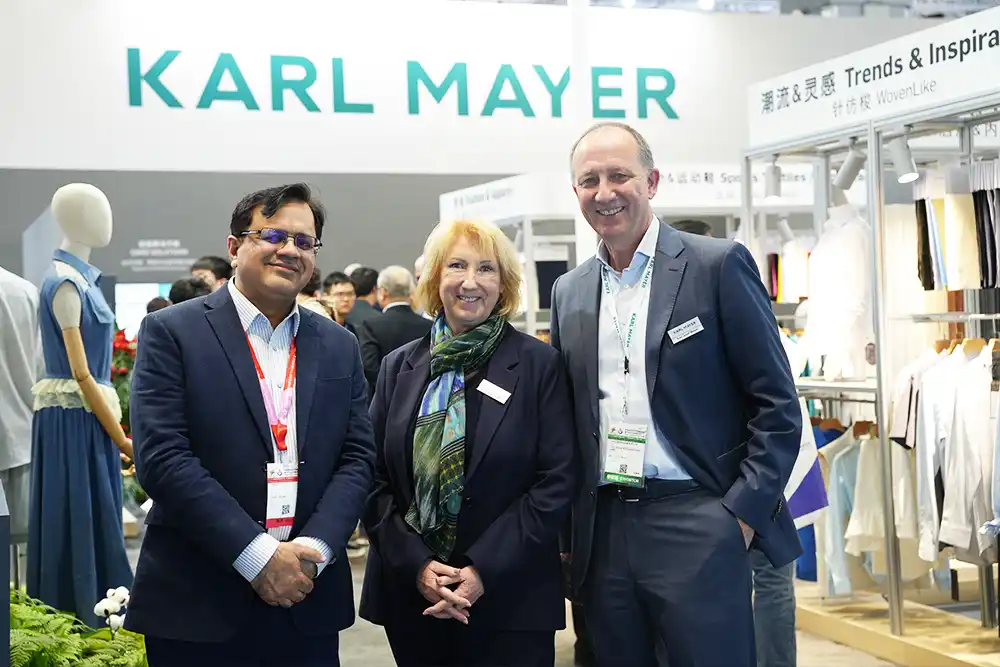
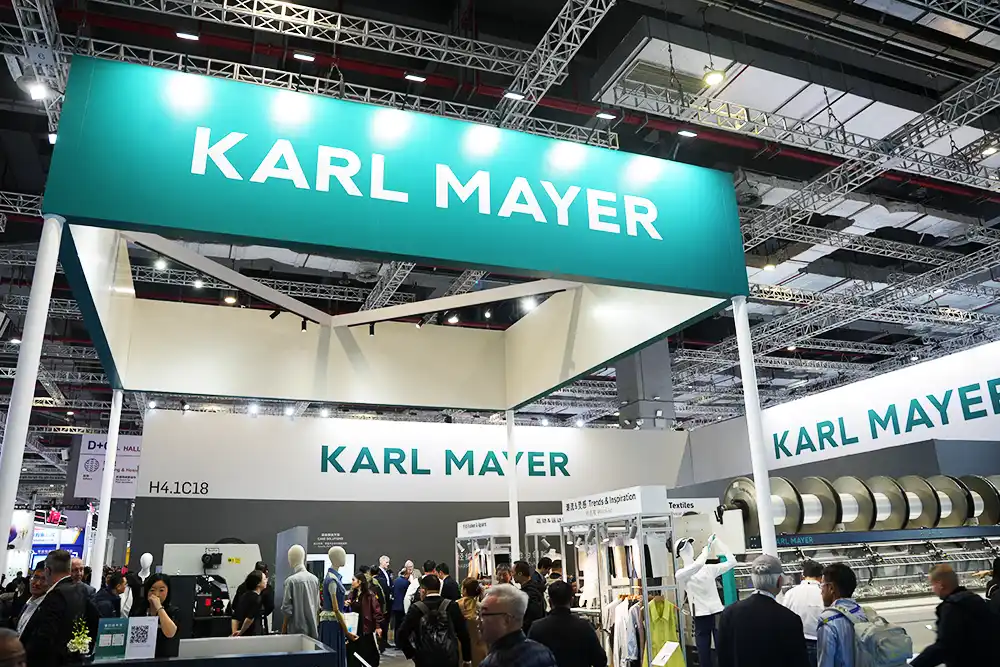
Unveiled on November 20, 2026, at Karl Mayer’s Product Show in Changzhou, China, alongside ITMA ASIA + CITME 2026, the machine targets manufacturers producing high-volume three-dimensional spacer fabrics.
Engineering Redesign Enables Higher Speeds
The RD 7/2-6 MAX incorporates several engineering improvements designed to maintain process stability at higher operating speeds.
For the first time, Karl Mayer has integrated carbon-fibre-reinforced plastic (CFRP) technology into a double needle bar raschel machine.

Engineers have also redesigned the machine frame and drive system, reconfigured the lever arrangement and introduced optimised latch needles. These modifications are intended to reduce mechanical limitations while maintaining fabric quality. The electronically controlled EL pattern drive allows manufacturers to adjust fabric designs and develop different structures more flexibly.

Big Beam Technology Improves Efficiency
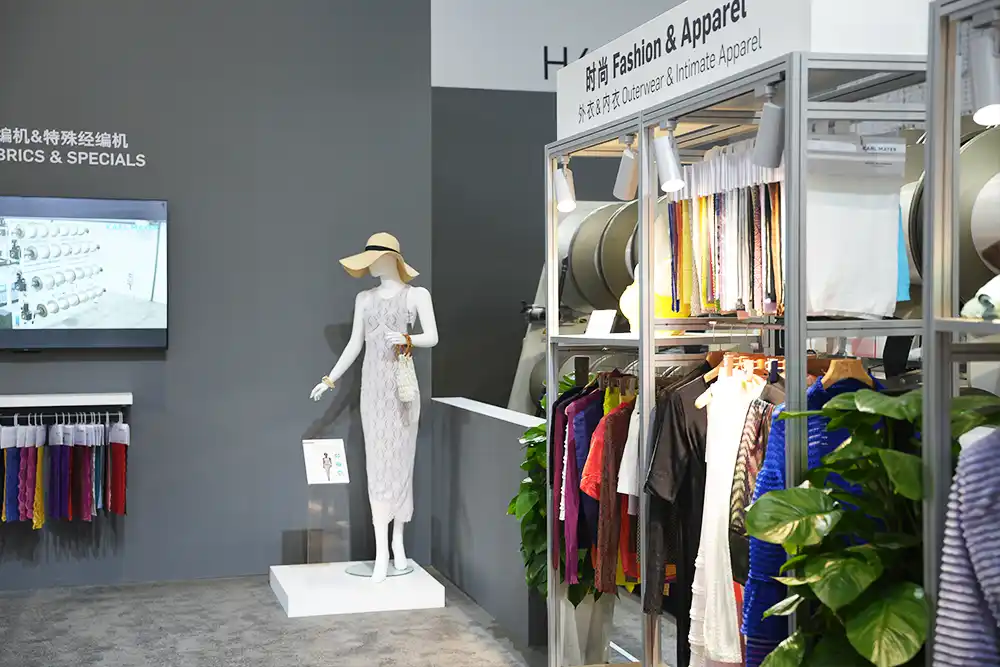
The machine supports Karl Mayer’s new Big Beam option, accommodating 70-inch-wide warp beams. According to the manufacturer, the wider beams can improve fabric quality and increase overall production efficiency. The machine targets spacer fabrics used in footwear, sportswear, mattresses and semi-technical textiles, where breathability, cushioning, durability and structural stability are essential.
Implications for Spacer Fabric Manufacturers
For warp-knitting manufacturers, the higher operating speed could improve machine productivity and reduce unit manufacturing costs, particularly in price-sensitive, high-volume applications. However, the 30% speed advantage is a manufacturer-reported comparison, not an independently verified production-output gain. Actual economic benefits will depend on achievable running efficiency, fabric construction, yarn characteristics, energy consumption and maintenance requirements.
The next test will be demonstrating sustained productivity gains and competitive operating costs under commercial production conditions.