

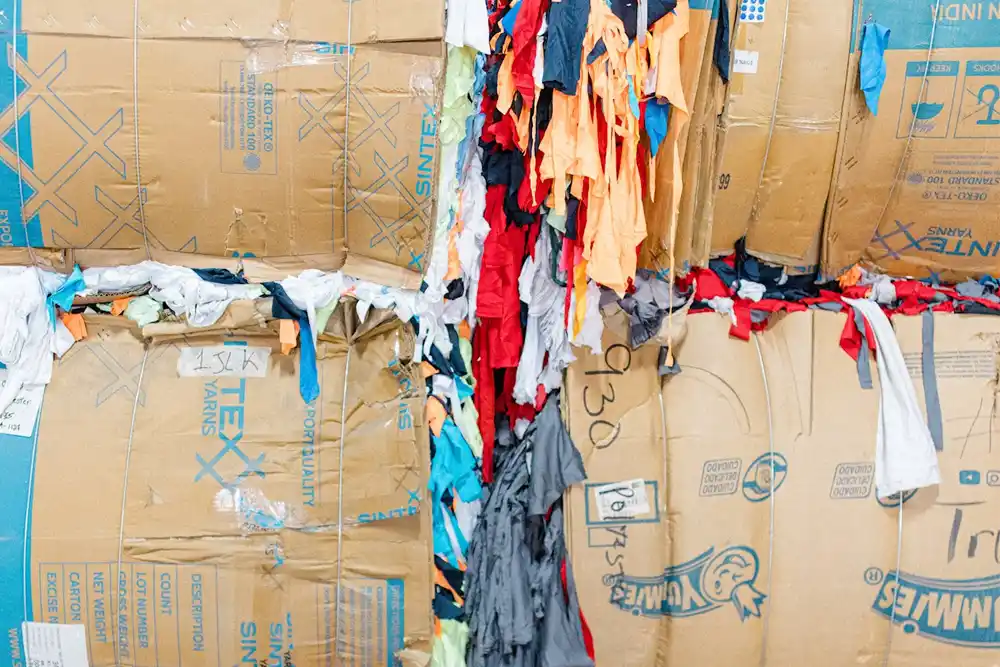
The partnership underlines a hard truth about textile recycling: scaling circular polyester is no longer just a materials challenge, but an industrial one.
ABB and Syre have signed an agreement to explore how automation, electrification and digital systems could support Syre’s first textile-to-textile recycling plant in Vietnam. The proposed facility in Gia Lai province is designed to turn used textiles and industrial waste into recycled polyester, as Syre pushes to move circular polyester from pilot stage to industrial production.
What the deal is really about
On paper, the agreement is exploratory. In practice, it addresses one of the sector’s biggest bottlenecks: execution at scale. Textile-to-textile recycling has attracted strong interest from brands and policymakers, but commercial success depends on whether plants can run safely, efficiently and consistently. ABB’s role would be to assess how its control systems, software and electrification technologies can be adapted to the specific demands of polyester recycling.
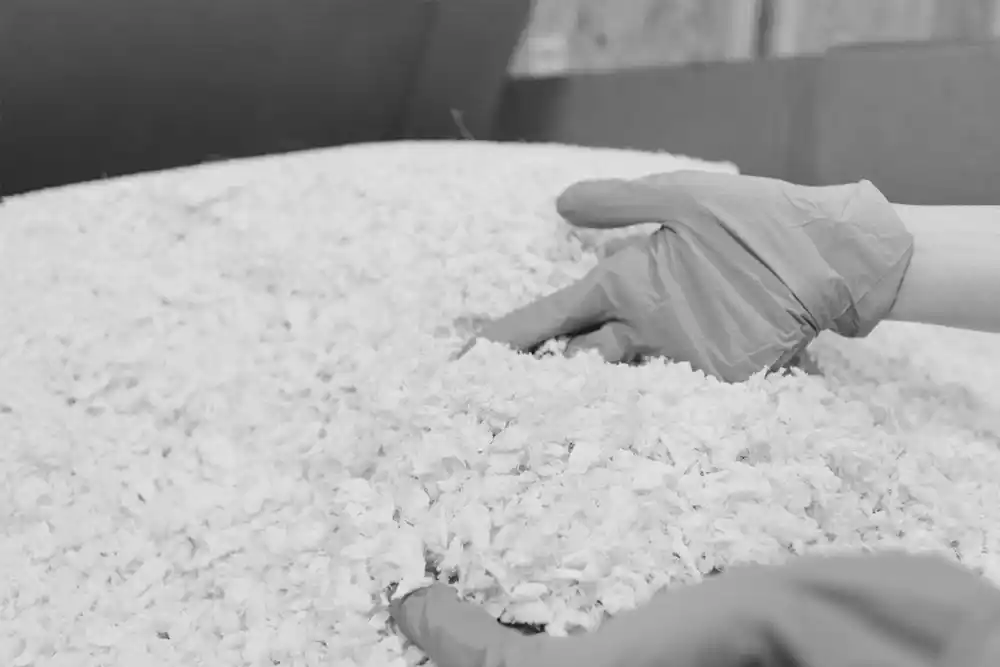
Why it matters
Polyester remains the world’s dominant fibre and one of its most fossil-dependent. Recycling it at scale could reduce reliance on virgin inputs, cut emissions and keep material in circulation. But none of that happens without industrial discipline. The challenge is not merely proving the chemistry; it is building facilities that can deliver stable quality, process control and economic viability.
What comes next
Syre has already moved from R&D into multi-ton production of circular PET chips and aims to begin construction of its first large-scale plant in 2027. This partnership suggests the race in circular textiles is entering a new phase—less about promises, more about industrial infrastructure.

