

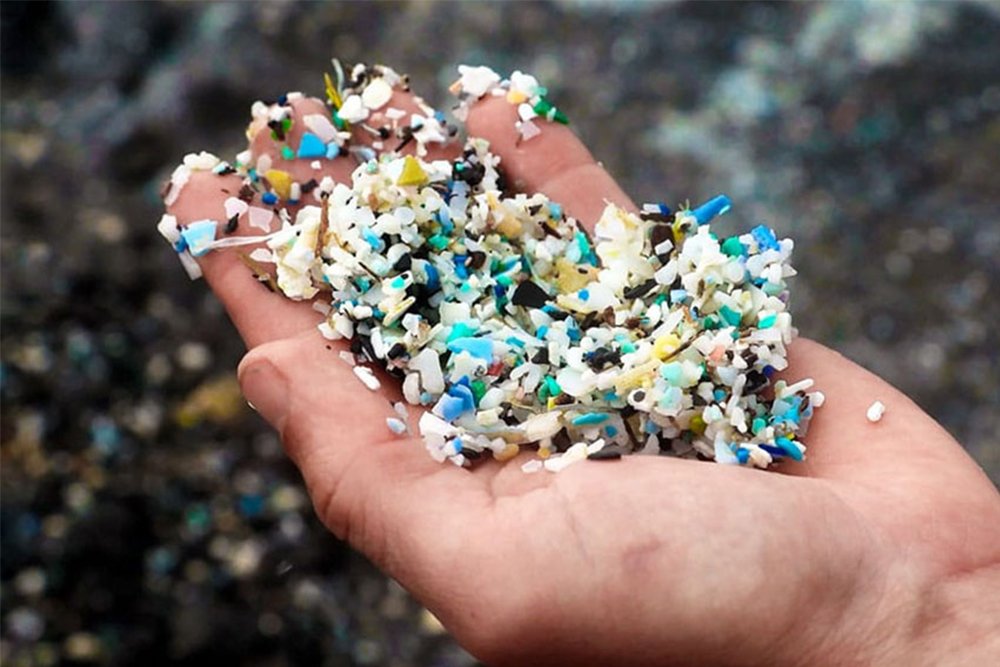
California’s Department of Toxic Substances Control (DTSC) has taken a groundbreaking step by proposing to list microplastics—not just specific compounds, but the broad category—as “Candidate Chemicals” under the Safer Consumer Products (SCP) Program.
This marks a major shift in regulatory strategy, targeting materials rather than isolated substances.
While the proposal does not impose immediate compliance obligations, it enables DTSC to evaluate consumer products that contain or release microplastics, potentially designating them as “Priority Products”. If a product receives this label, manufacturers must notify DTSC, conduct an Alternatives Analysis, and implement regulatory measures such as reformulation, updated labeling, use restrictions, or even product redesign.
The scope of impact could be immense. Potentially affected sectors include textiles, apparel, personal care, packaging, automotive, electronics, and construction—particularly those involving synthetic materials prone to wear, water exposure, or degradation.
A key challenge lies in defining microplastics under current regulatory frameworks. DTSC defines them as plastic particles smaller than 5 mm—whether intentionally produced (like microbeads) or generated through breakdown (e.g., paint flakes or tire wear). This broad definition raises questions about precise identification and substitution under the SCP’s Alternatives Analysis process, which traditionally requires substances to have a discrete molecular identity.
Despite these nuances, DTSC’s approach signals the agency’s intent to take swift action. Importantly, the proposal is exempt from California’s Environmental Quality Act (CEQA), allowing it to move forward without an environmental impact report and potentially accelerating its progress.
A public comment period is currently underway and ends on August 4, 2025. Afterward, DTSC may move to identify and propose specific products as Priority Products—possibly as early as fall 2025—aligning with its periodic Priority Product Work Plan..
Beyond state borders, this initiative underscores expanding regulatory scrutiny of microplastics at both national and international levels. In the U.S., the EPA is advancing risk evaluations under the Toxic Substances Control Act (TSCA), while pending legislation such as the Microplastics Safety Act seeks to assess exposure risks in food and water. Globally, negotiations toward a plastics treaty in Geneva may further influence policy trajectories

