

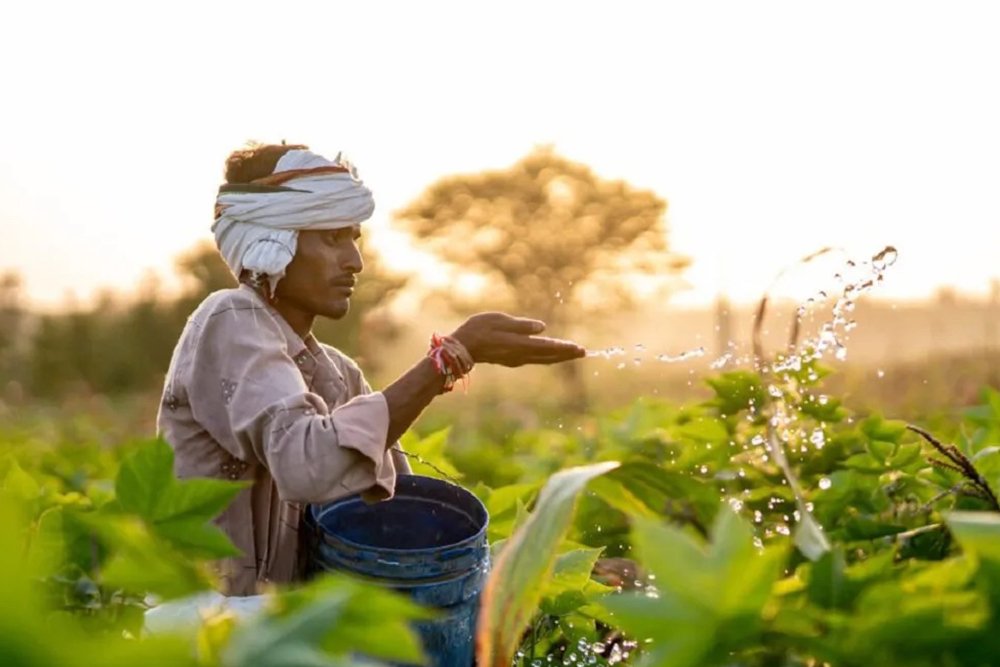
Pakistan’s cotton production has experienced a significant drop of 33% compared to the previous season, highlighting growing concerns over the nation’s agriculture sector.
According to recent reports, the current cotton output stands at a considerably lower level, severely impacting the textile industry which relies heavily on local cotton supplies.
The country, once the world’s fourth-largest cotton producer, has faced numerous challenges this year, including poor weather conditions, water shortages, and a decline in the area under cotton cultivation. Farmers have also been grappling with rising input costs, such as fertilizers and pesticides, which have contributed to reduced yields.
According to the latest figures, cotton production so far this season is well behind the target, raising fears of a widening gap in demand and supply. The textile sector, which is one of Pakistan’s largest industries, has already begun to feel the effects of this shortfall, with experts warning of potential disruptions in the production chain.
The government has pledged to take measures to address these challenges, including providing incentives for farmers to increase cotton cultivation and improving water management systems. However, experts suggest that the road to recovery for Pakistan’s cotton industry may require longer-term reforms and increased investment in agricultural research and technology.
As the situation unfolds, both farmers and the textile industry remain hopeful that necessary steps will be taken to reverse the decline and restore Pakistan’s cotton sector to its former strength.

