

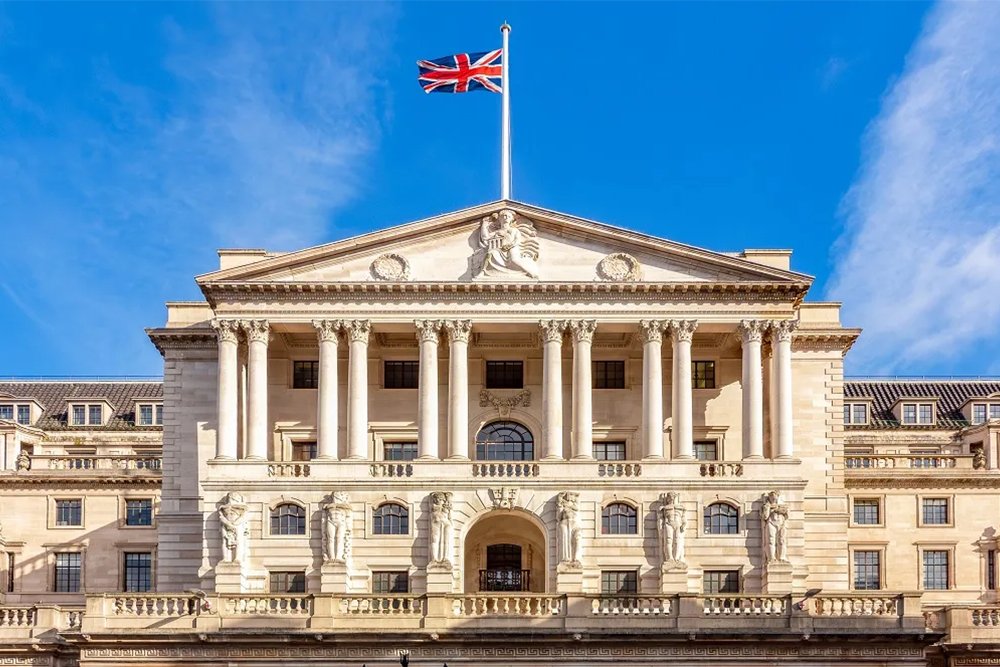
The Bank of England (BoE) has expressed concerns that escalating US tariffs and trade policy uncertainties could adversely affect the UK economy.
Deputy Governor Clare Lombardelli highlighted that such developments might dampen global demand, leading to reduced UK exports and potential inflationary pressures due to supply chain disruptions. While UK inflation has shown signs of easing, Lombardelli noted that persistent high wage growth remains a challenge in achieving the BoE’s 2% inflation target. Consequently, the central bank recently reduced its key interest rate from 4.
5% to 4.25% and signaled readiness for further action if tariff-related impacts intensify.
The BoE’s Monetary Policy Committee (MPC) has been actively monitoring global trade dynamics, as shifts in international trade policies can influence UK economic performance. The MPC’s February 2025 report indicated that while tariffs could lower UK economic activity, the overall effect on inflation remains uncertain. Factors such as exchange rate movements and supply chain reconfigurations could either mitigate or exacerbate inflationary pressures.
In light of these developments, the BoE emphasizes the importance of maintaining a balanced approach to monetary policy, considering both domestic economic indicators and global trade conditions. The central bank remains committed to its inflation target while being prepared to adjust policies as necessary to safeguard economic stability.

