

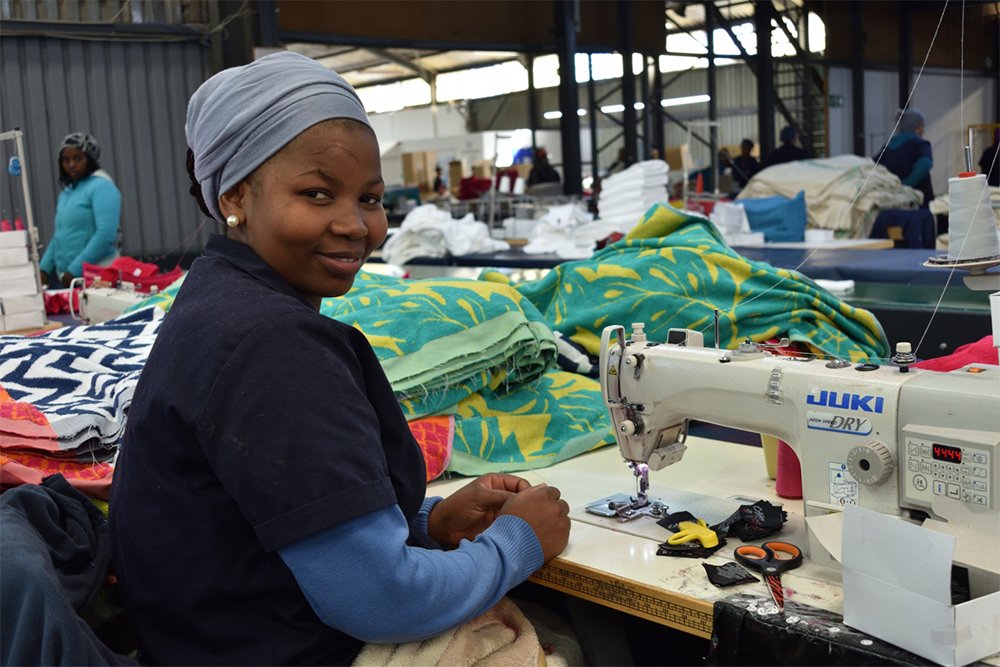
Nigeria’s once-thriving textile industry is in a dire state, according to recent statements by the National Union of Textile, Garment and Tailoring Workers of Nigeria (NUTGTWN). The union has raised alarms over the sector’s continuous decline, urging the government to take immediate action to revitalize the industry and protect the livelihoods of millions of workers.
In a recent address, NUTGTWN Secretary-General Issa Aremu highlighted several factors contributing to the industry’s woes, including inconsistent government policies, high operational costs, and competition from imported textiles.
He noted that Nigeria’s textile sector, which was once the second largest employer after the government, has seen a drastic reduction in its workforce from over 600,000 jobs in the 1980s to just around 20,000 currently. This decline has had devastating impacts on families and communities reliant on the sector.
The union pointed out that the high cost of energy, inadequate infrastructure, and poor access to financing are crippling local manufacturers, making it difficult for them to compete with cheaper imported products. Additionally, the lack of effective measures against smuggling and counterfeit textiles has further eroded the domestic market.
To address these challenges, NUTGTWN is calling for a comprehensive policy overhaul, including the implementation of protective tariffs, incentives for local production, and substantial investment in the power sector to reduce energy costs for manufacturers.
Aremu emphasized the need for urgent government intervention, stating, “Reviving the textile industry is crucial for Nigeria’s economic diversification and job creation efforts. Without targeted support, the sector may face irreversible collapse.”
The union’s appeal underscores the critical need for robust government action to restore Nigeria’s textile industry to its former glory and ensure sustainable economic growth.

