

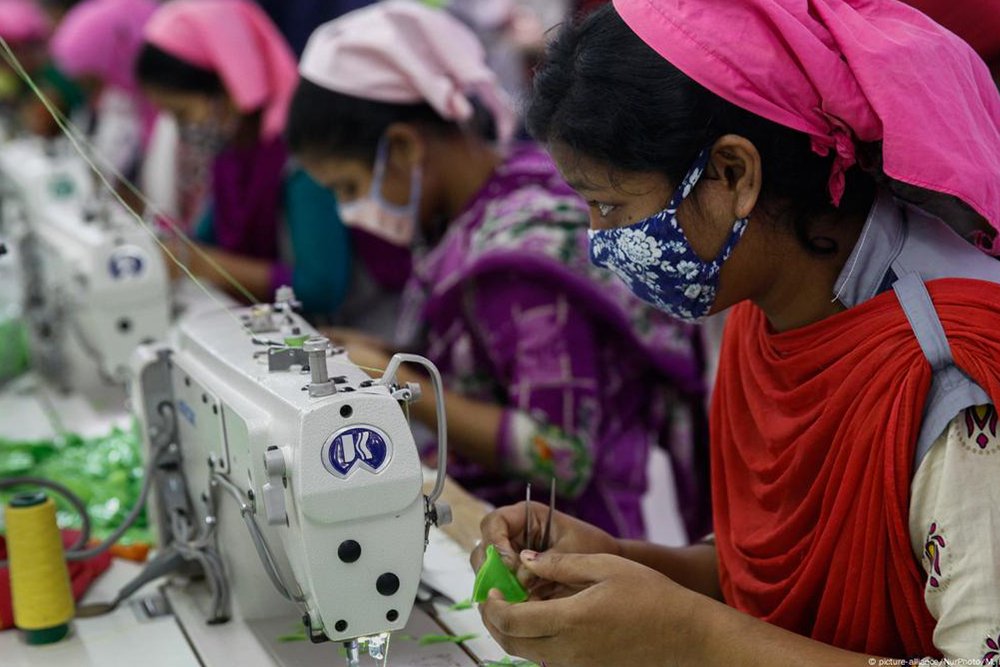
Bangladesh’s textile sector is losing approximately $5 billion annually due to policy gaps and inefficiencies in managing textile waste exports. The Bangladesh Garment Manufacturers and Exporters Association (BGMEA) reports that around 400,000 tonnes of recyclable textile waste, predominantly cotton, is produced each year.
However, policy restrictions prevent the country from capitalizing on this lucrative market, resulting in significant revenue losses.
A major contributing factor is the lack of a streamlined policy framework to support the export of textile waste. Current regulations limit the ability of manufacturers to directly export waste materials, forcing them to sell at low prices to local recyclers.
This has led to missed opportunities in global markets where demand for recycled textiles is on the rise, driven by the fashion industry’s shift toward sustainability.
Experts argue that revising policies to allow direct export of textile waste could boost the economy by creating new revenue streams, promoting sustainable practices, and supporting the circular economy. The BGMEA is urging the government to reconsider existing regulations and introduce more flexible policies that would enable the sector to tap into international markets.
Additionally, the lack of adequate waste management infrastructure and technology hampers the efficient collection and processing of textile waste. To address these challenges, stakeholders are calling for investments in modern recycling facilities and the development of a regulatory framework that supports the industry’s growth while aligning with global sustainability standards.

