

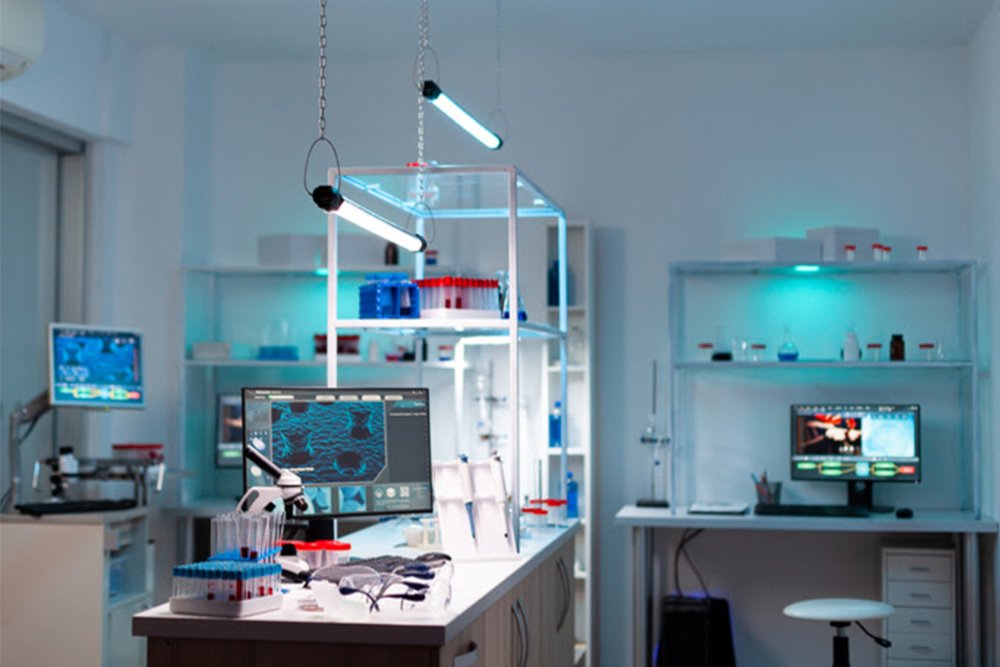
A groundbreaking new initiative in the UK is set to harness the power of microbes to convert industrial waste into valuable, sustainable chemicals and materials. Announced by Zero Carbon Academy (ZCA), the project will establish a dedicated innovation hub focused on leveraging microbial biotechnology to tackle pollution and resource inefficiency across sectors.
The facility, which aims to become a center for cleantech excellence, will explore the use of engineered and naturally occurring microbes to break down complex waste streams—ranging from manufacturing byproducts to agricultural runoff—and transform them into useful compounds. These bio-based alternatives could replace petroleum-derived inputs in everything from plastics and textiles to fertilisers and construction materials.
This microbial waste-to-value platform marks a major step forward in the circular economy movement, where waste is no longer discarded but instead repurposed as a resource. By working at the intersection of synthetic biology, industrial ecology, and green chemistry, the hub promises to accelerate the UK’s decarbonisation efforts while supporting innovation in bio-manufacturing.
ZCA’s announcement aligns with growing global interest in bio-based solutions to industrial challenges. Recent advances in enzyme design, microbial engineering, and fermentation technology have shown significant potential to scale biological pathways that produce everything from biodegradable plastics to carbon-negative fuels.
With the cleantech sector rapidly evolving, the UK’s investment in microbial innovation underscores its ambition to remain at the forefront of climate and industrial transformation. The project is expected to engage startups, research institutions, and private-sector partners focused on advancing clean materials and reducing reliance on fossil-based inputs.
As industries face mounting pressure to cut emissions and improve sustainability, microbe-powered waste conversion could become a vital tool in the global push toward a zero-carbon future.

