

Tadashi Yanai, CEO of Fast Retailing, the company behind global fashion brand Uniqlo, has confirmed that the retailer does not use cotton from China’s Xinjiang region in its products. This marks the first time Yanai has directly addressed the contentious issue, which has sparked debate over human rights and forced labor allegations tied to Xinjiang cotton.
Once known for its high-quality fabric, Xinjiang cotton has faced widespread condemnation after reports of forced labor involving Uyghur Muslims and other minority groups in the region. In response to these allegations, several international brands, including H&M, Nike, and Adidas, have taken action by removing Xinjiang-sourced products from their shelves. However, these moves have sparked backlash in China, with brands such as H&M being boycotted by Chinese consumers.
Uniqlo, which operates more than 1,000 stores across China, had previously remained silent on whether it sourced cotton from Xinjiang. Speaking recently in Tokyo, Yanai confirmed, “We’re not using [cotton from Xinjiang],” adding that discussing such matters further could become politically sensitive. His decision to avoid commenting on the broader geopolitical issues reflects the challenges many international brands face as they navigate the complex relationship between China and the West.
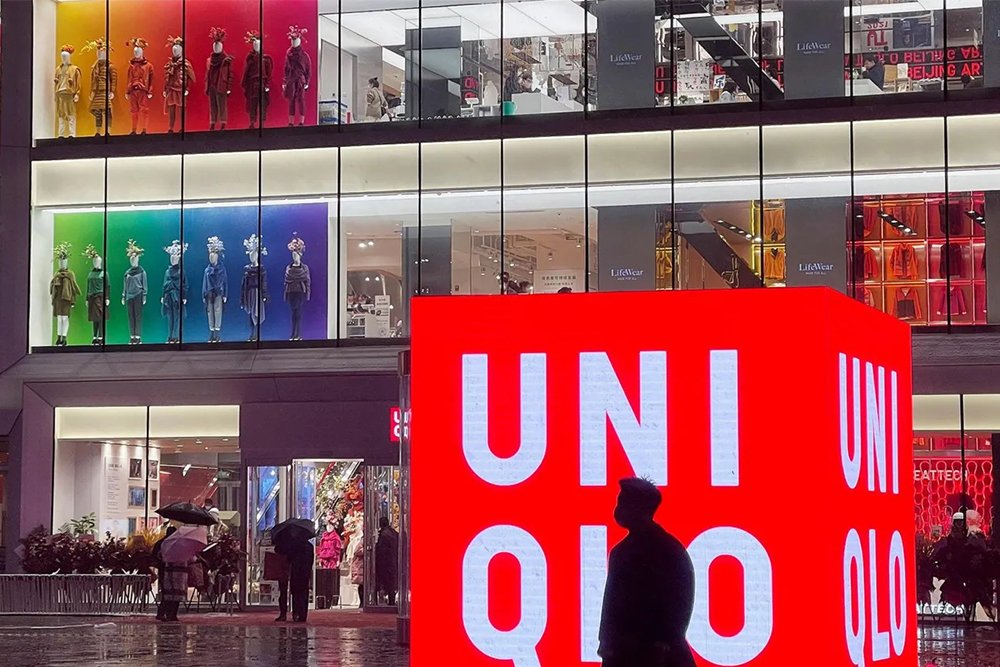
China remains a vital market for Uniqlo, not only as a source of consumers but also as a key manufacturing hub. The brand has more stores in China than in its home country of Japan, and Yanai has expressed plans to expand its presence further, with a goal of reaching 3,000 stores in the country.
Despite Uniqlo’s growth in markets like Europe and the US, Yanai emphasized that Asia—particularly China—remains central to the company’s strategy. He also addressed the competition posed by ultra-fast fashion brands like Shein, which have gained popularity among price-conscious consumers. Yanai, however, has maintained that Uniqlo’s focus is on producing high-quality, timeless clothing that lasts beyond just one season, rejecting the wasteful nature of fast fashion.
As global awareness of ethical sourcing practices continues to grow, Uniqlo’s position on Xinjiang cotton highlights the increasing pressure on brands to be transparent and responsible in their supply chains. The decision also reflects the wider trend of companies being forced to choose sides in the ongoing geopolitical conflict between the US and China, where human rights concerns are playing an increasingly pivotal role in global business decisions.

