

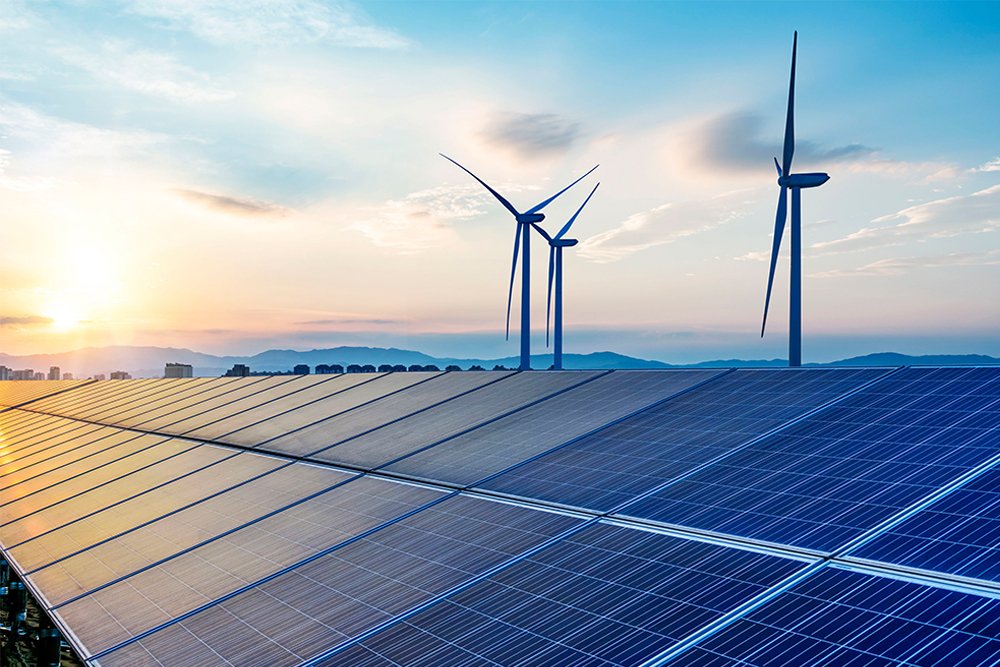
Scaling up renewables and electrification across the European Union could dramatically reduce electricity generation costs—potentially plummeting by up to 57% compared to 2023 levels, according to a freshly released report from the European Environment Agency (EEA). This path toward clean power is not just about meeting climate targets—it’s a strategic roadmap for energy independence, cost reduction, and industrial competitiveness.
The report, titled Renewables, electrification and flexibility — for a competitive EU energy system transformation by 2030, emphasizes that boosting domestic wind and solar output, while ramping up electrification across heating, transport, and industry, presents an opportunity to replace volatile fossil fuel imports with cheaper, cleaner alternatives.
Key findings include:
-
Electricity generation costs could fall up to 57% if EU targets for renewables and energy efficiency are met.
-
Wholesale power prices already dropped 16% in 2024, driven by renewables making up nearly 48% of EU electricity generation, with fossil fuels reduced to a record-low 28%.
To realize these savings, the EEA outlines three urgent priorities: unlocking investment to increase renewable capacity to 77% by 2030, doubling grid flexibility through smart infrastructure and storage, and enhancing EU-wide coordination on cross-border energy planning.
Public sentiment echoes the findings: a University of Cambridge study in early 2025 finds meeting renewables quotas could reduce electricity price volatility by over 20%, with some countries such as the UK and Ireland seeing even more dramatic drops—44% and 43% respectively In conclusion, the EEA’s research illustrates that energy transition is not just environmentally essential—it’s economically transformative. By aligning investment, infrastructure, and policy, Europe can deliver cleaner, cheaper, and more stable power to consumers and industry.
