

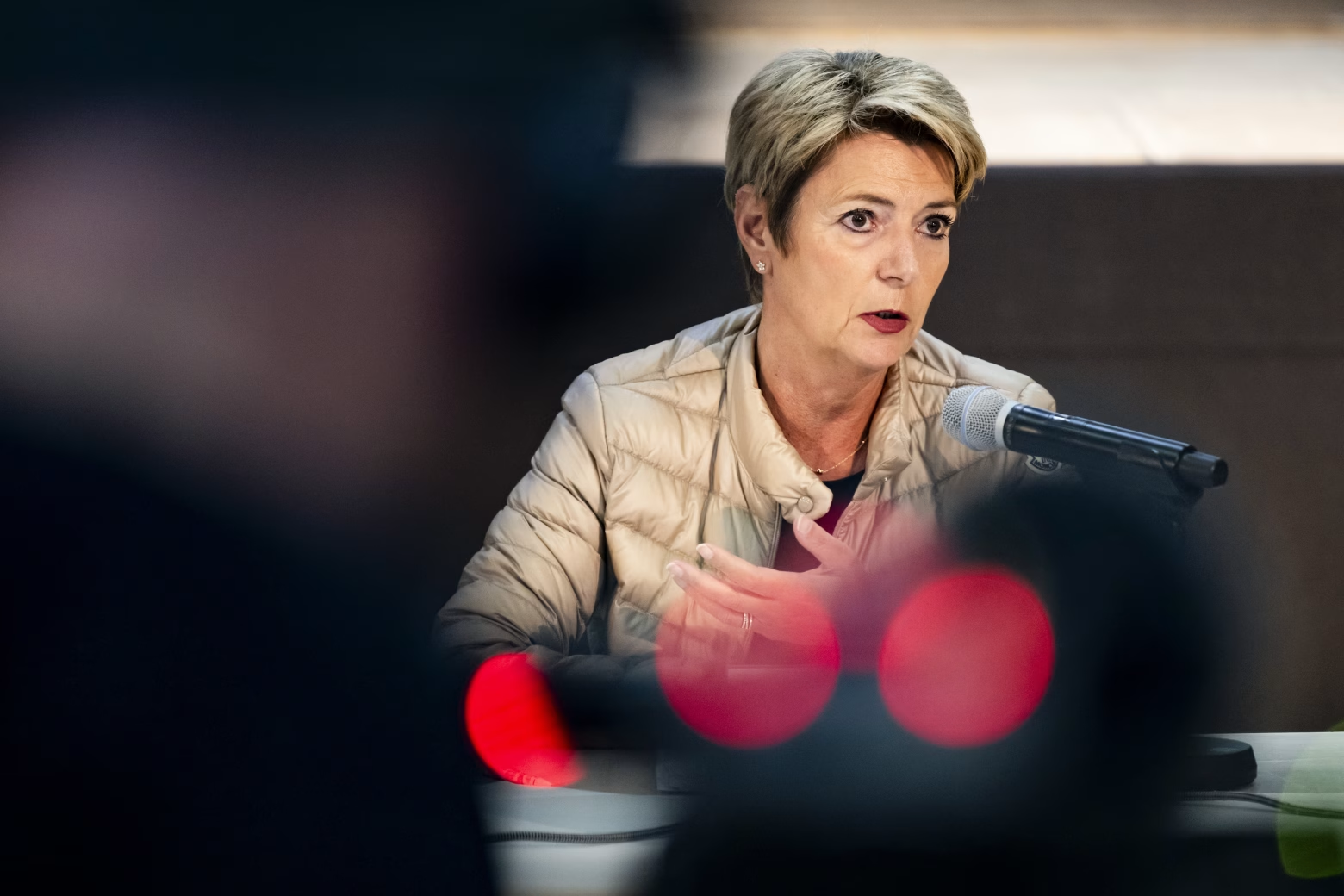
Swiss President Karin Keller‑Sutter is leading a high‑level delegation—including Economy Minister Guy Parmelin—to Washington this week in a bid to avoid a 39% import tariff imposed by the U.S., set to take effect on August 7, 2025. The rate, among the steepest globally, far exceeds the 15% tariffs negotiated by the EU and risks undermining Switzerland’s export‑reliant economy.
The tariff targets industries that supply nearly 60% of Swiss exports to the U.S., including watches, machinery, and chocolate. Although pharmaceuticals are currently exempt, multiple Swiss sectors remain vulnerable. The Federal Council has expressed deep regret over the unexpectedly high tariff, noting that a previously agreed framework—expected to limit duties near 10%—was not approved by U.S. officials.
In response, Switzerland has put forward a “more attractive offer”—potentially including increased LNG imports, greater investment in U.S. infrastructure, and other concessions—to address America’s concerns about a bilateral trade deficit estimated at $38–41 billion. A meeting is also scheduled with U.S. Secretary of State Marco Rubio on August 6 to explore diplomatic paths forward.
Economists warn that the tariff could push Switzerland into recession, jeopardize tens of thousands of jobs, and erode its competitive position relative to Europe and Japan, which enjoy significantly lower duties. Switzerland continues negotiations within a narrowing window, hoping to negotiate a tariff scale back to the EU‑style 15% level.
