

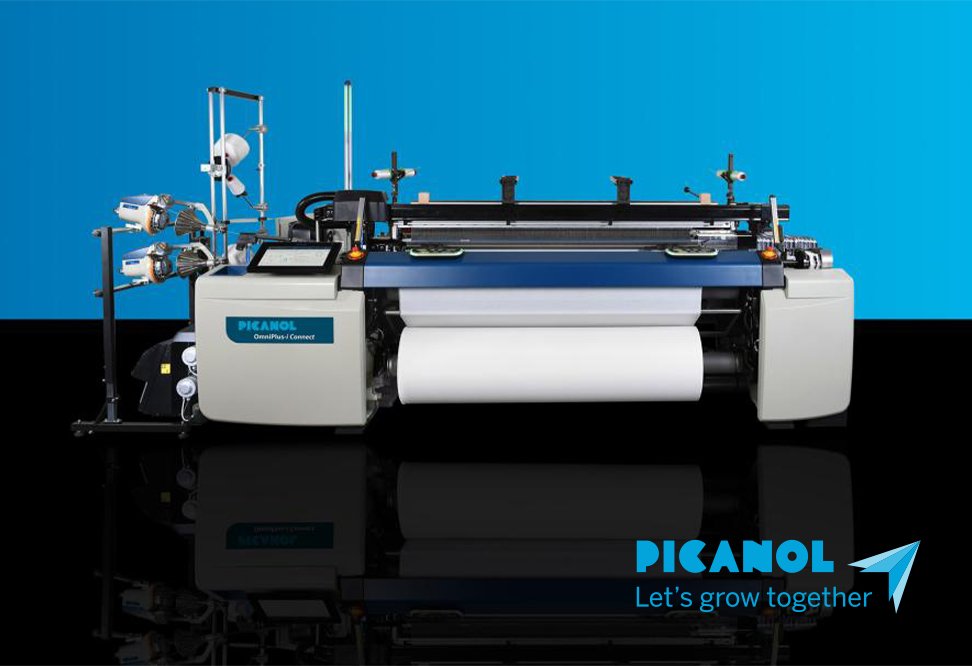
The Belgian machinery maker is using Istanbul to position weaving efficiency around three themes: fabric versatility, lower energy consumption and smarter mill data.
 Belgium-headquartered Picanol will present its latest weaving technologies at ITM 2026 in Istanbul from June 9–13, exhibiting in Hall 8, Booth 802. The company will demonstrate both rapier and airjet systems, with live applications covering denim, voile and poplin fabrics.
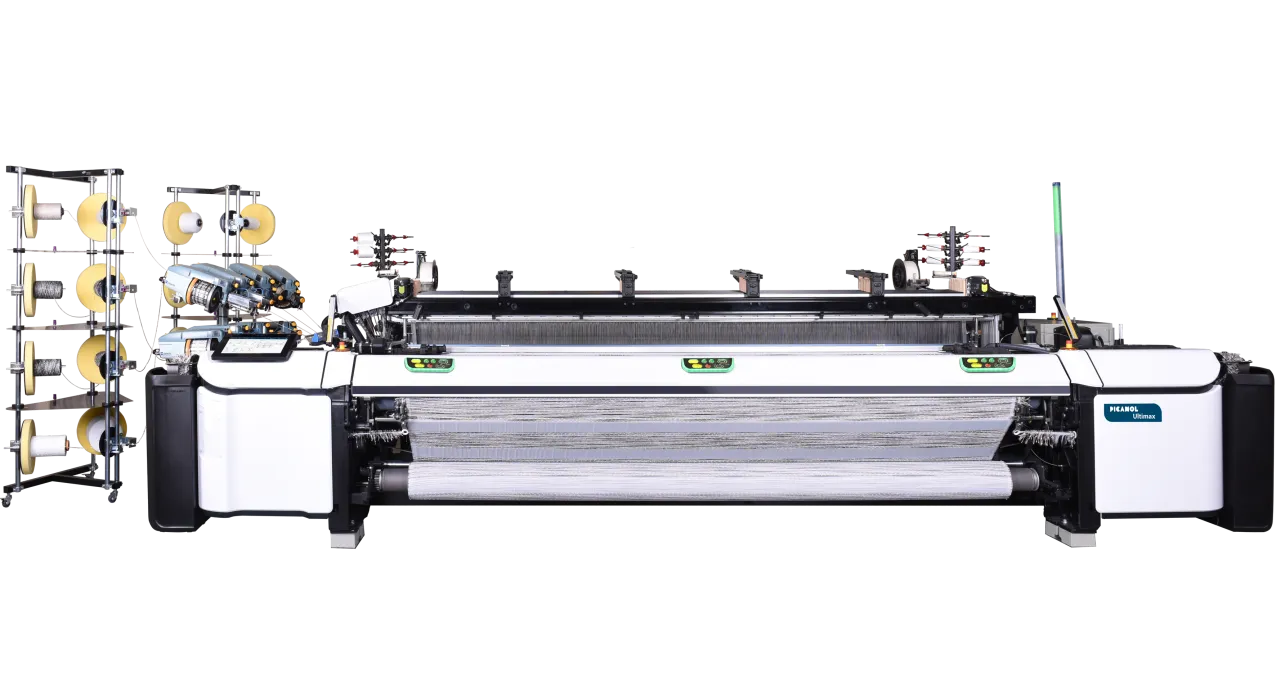
Ultimax targets speed and fabric quality
A key focus will be the Ultimax rapier weaving machine, with two units on display. One will weave denim, while the other will produce voile, underlining the machine’s application range across heavier and lighter fabric constructions. Picanol positions Ultimax around high-speed operation, fabric quality, digitalisation and ease of use, with sustainability built into the machine concept.
For weaving mills, the relevance is operational: modern looms must handle shorter runs, faster style changes and tighter quality expectations without compromising speed or machine stability. Ultimax is being presented as Picanol’s answer to that pressure in rapier weaving.
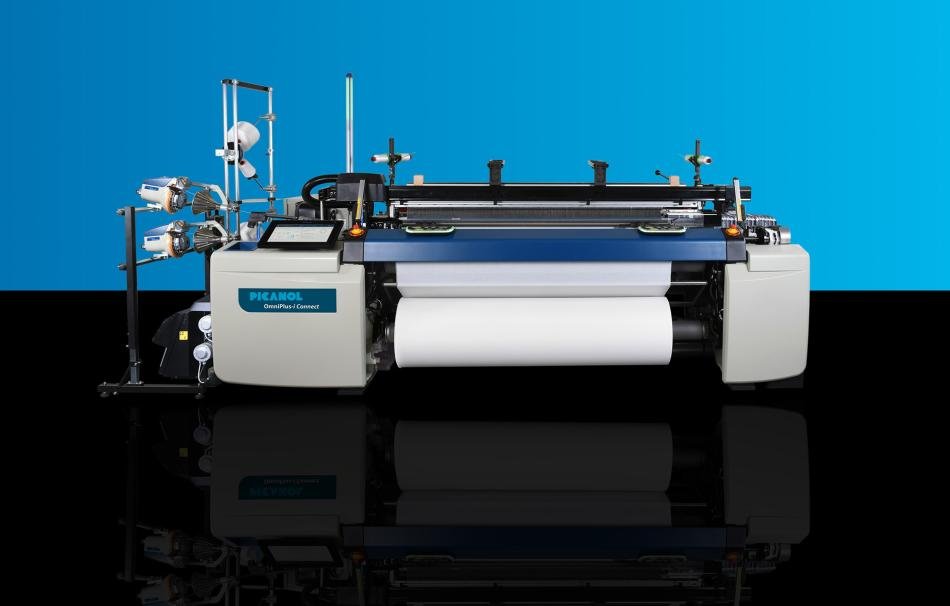
Airjet efficiency moves up the agenda
Picanol will also demonstrate the next-generation OmniPlus-i Connect, launched at the end of 2025 as the latest evolution of its airjet platform. At ITM, the machine will be shown weaving poplin fabrics.
The major selling point is energy. Through redesign and optimisation of key machine components, Picanol says its EcoBoost unit can deliver energy savings of up to 1.5 kW per machine. The company describes EcoBoost as available across a broad selection of machine executions, making it relevant for mills focused on power costs and sustainability targets.
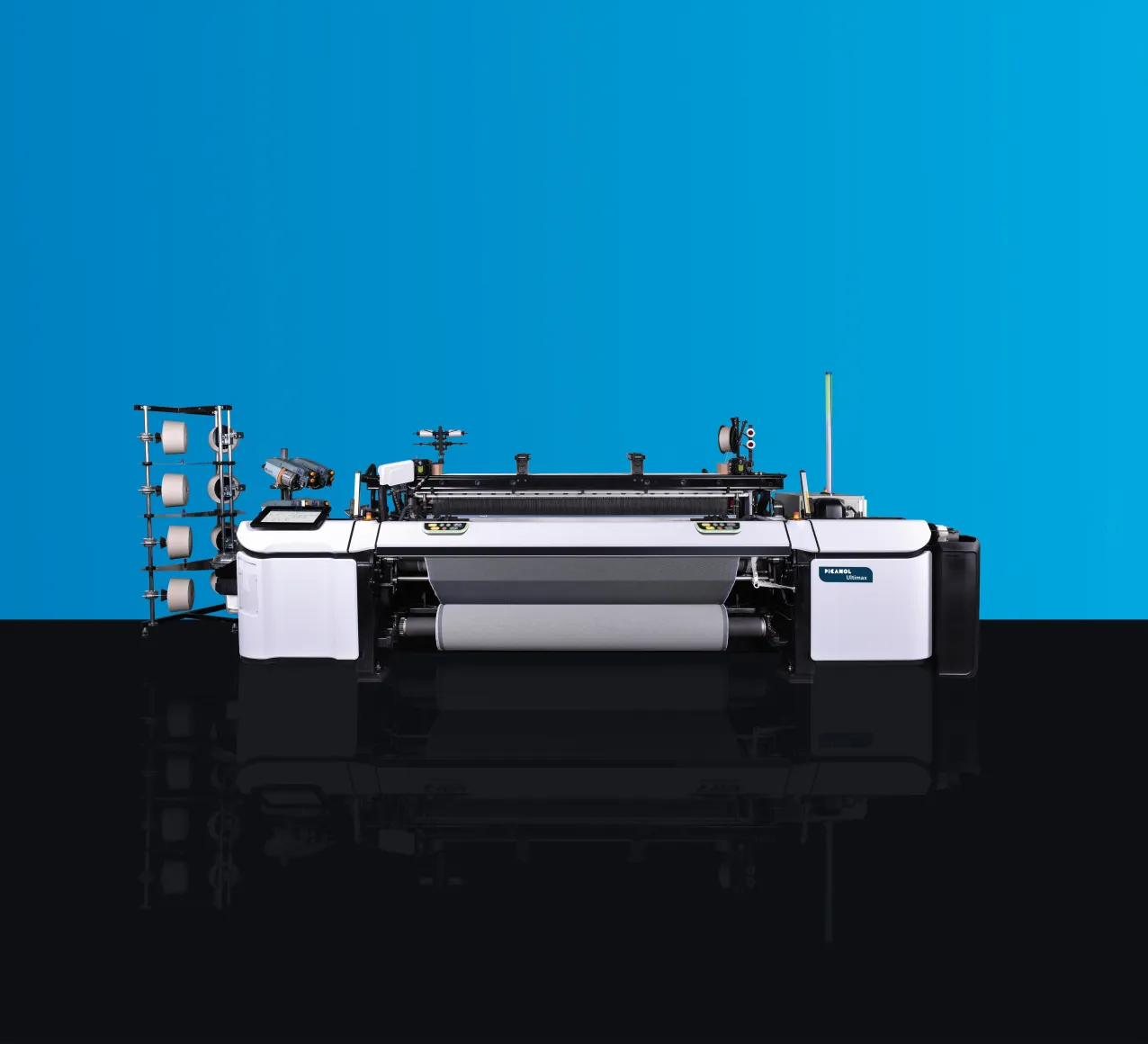
PicConnect brings data into weaving decisions
The third pillar is PicConnect, Picanol’s centralised digital platform for machine data, tools and services. The platform is now being promoted with AI-powered features and dashboards that help mills track production rates, machine performance, weaver efficiency and energy consumption.
The broader message is that weaving competitiveness is no longer defined only by loom speed. Mills increasingly need lower energy use, consistent fabric quality and actionable production data. At ITM 2026, Picanol is positioning its portfolio around that combined requirement.
