

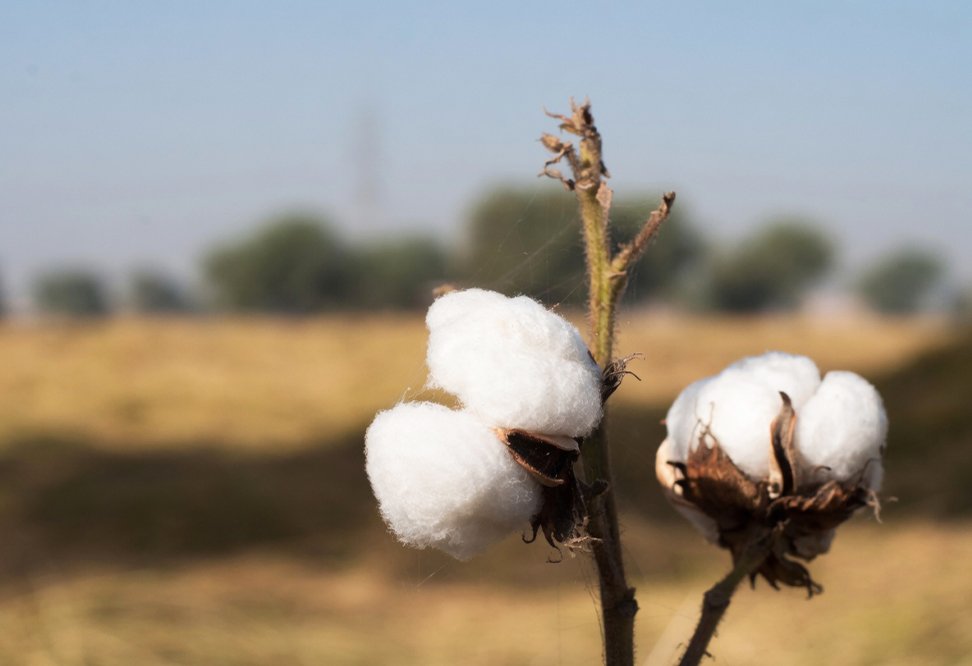
The 2026-27 planting shortfall threatens a fibre base already strained by taxation, price volatility and mill closures.
Punjab planted cotton on 2.614 million acres for the 2026-27 season, 586,000 acres below its 3.2 million-acre target. The final area is 18% short of plan and 512,000 acres lower than last year, according to Punjab Crop Reporting Services data. The decline raises the prospect of higher lint and edible-oil imports.
A land-use problem
Southern Punjab accounted for 2.409 million acres across Bahawalpur, Multan and Dera Ghazi Khan divisions, but remained below its 2.895 million-acre target. Northern divisions planted 205,000 acres against a 305,000-acre goal. The gap had emerged early: Pakistan Central Cotton Committee data showed Punjab at only 69% of its proposed area by May 21.
Cotton Ginners Forum Chairman Ihsanul Haq attributed the retreat to adverse weather and new sugar mills around Rahim Yar Khan and the Punjab–Sindh border, which have strengthened sugarcane’s attraction for farmers. The commercial message is clear: unless cotton offers competitive and predictable returns, acreage will remain vulnerable to crop substitution.
Tax pressure hits farmer incentives
After the federal budget announcement, the Karachi Cotton Association spot rate reportedly fell by Rs2,500 per maund. Open-market cotton dropped to around Rs19,250 per maund in Punjab and Rs18,250 in Sindh. Ginners are seeking withdrawal of the proposed 18% sales tax on cottonseed and oilcake, though any relief remains subject to final budget approval.
Rain-related disruption to phutti arrivals may offer temporary price support, but it does not alter the underlying economics of cotton production, ginning and procurement.
Textile capacity adds urgency
APTMA Chairman Kamran Arshad says member mills have fallen from 402 in 2008 to 182 today, with some remaining units inactive. He cites taxation, power tariffs, borrowing costs and delayed refunds. While this is an industry estimate, it reinforces the central risk: a weaker domestic fibre base and shrinking processing capacity can intensify one another.
The immediate test is whether the Finance Bill removes the cottonseed and oilcake tax burden. The larger test is whether federal and provincial policy can restore cotton’s relative profitability before another planting season is lost.
