

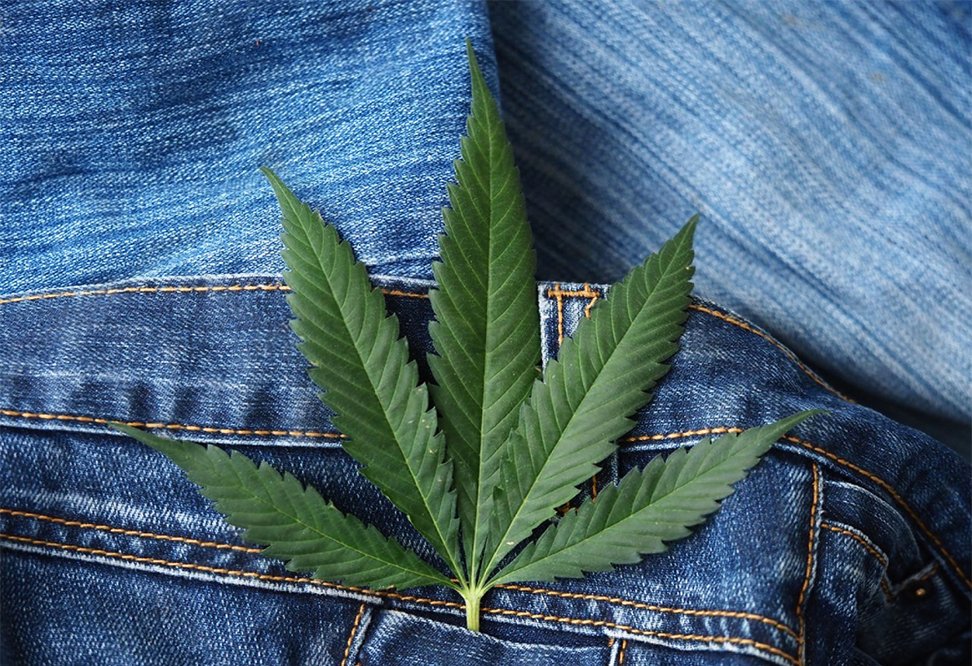
The new regulatory framework gives Pakistan a credible starting point, but premium hemp apparel will require fibre-processing capability, traceability and buyer-ready product development—not simply cultivation licences.
Pakistan’s emerging industrial-hemp framework could create a new route into higher-value apparel, particularly hemp-cotton denim, workwear and premium casualwear. The commercial opportunity is real, but it should be viewed as a supply-chain project rather than a farming opportunity alone.
The establishment of the Cannabis Control and Regulatory Authority has provided a legal basis for licensed cultivation, processing, manufacturing and sale of industrial hemp. Its emphasis on licensing, monitoring and traceability addresses a basic requirement for European, UK and North American buyers: proof of origin, compliant THC limits and auditable movement from farm to finished product.
The missing middle matters most
Pakistan should avoid repeating its familiar export pattern of supplying raw or semi-processed materials while overseas brands capture the highest-value stages. Hemp fibre must pass through reliable decortication, fibre cleaning, cottonisation, blending, spinning, weaving, dyeing, garmenting, certification and brand-facing product development before it can become a credible denim proposition.
That “missing middle” will determine competitiveness. Hemp is a bast fibre with different handling, stiffness and processing requirements from cotton. Without consistent fibre quality, appropriate spinning preparation and mill trials, a hemp claim can become an expensive sourcing problem rather than a differentiated product.
Start with practical blends
The most realistic early route is hemp-cotton blended denim rather than 100% hemp jeans. Blends in the range of 20–35% hemp can preserve denim’s familiar comfort, abrasion performance and washability while giving buyers a meaningful natural-fibre and lower-impact story. Higher hemp percentages can follow in premium capsules once fibre consistency and finishing performance are proven.
Potential product categories include jeans, overshirts, chore jackets, workwear, utility trousers and lightweight denim. These are segments where durability, texture and authentic natural-fibre character can support better margins than standard basic apparel.
A coordinated pilot is needed
The immediate priority should be a structured industry pilot involving licensed growers, fibre processors, spinners, denim mills, jeans manufacturers, testing bodies and export buyers. The pilot should produce traceable sample fabrics, validated blend specifications, processing data, compliance files and buyer-ready prototypes.
Pakistan’s advantage is its existing cotton, denim and garment base. Its risk is moving too slowly and allowing the opportunity to remain fragmented. The regulatory door has opened; the next step is to convert it into an integrated, exportable hemp-denim ecosystem.
