

The partnership illustrates how engineered textile reinforcements, core materials and infusion consumables are becoming integral to lighter, more manufacturable aircraft structures.
MEL Composites is supplying ELA Aviation with advanced composite materials and process consumables for next-generation gyroplanes, expanding the role of textile-based reinforcement systems in light-aircraft manufacturing. The collaboration covers PVC foam cores, 3K and 6K woven carbon fabrics, stitched multiaxial carbon reinforcements and vacuum consumables for resin-infusion production.
Lightweight structures, integrated supply
The materials are being used across ELA Aviation’s aircraft range for composite fuselages, tail assemblies, fairings and trim systems. Carbon fabrics and multiaxial reinforcements provide directional strength and stiffness, while foam cores help create lightweight sandwich structures with greater bending rigidity. Vacuum consumables support the controlled resin-infusion process required to produce consistent laminates at scale.
ELA Aviation, based in Fuente Obejuna in Córdoba, Spain, says it has delivered more than 1,000 gyroplanes worldwide over the past three decades. The partnership therefore gives MEL a recurring aerospace application for its material portfolio rather than a one-off development project.
Process efficiency moves upstream
Beyond supplying materials, the two companies have reportedly worked on laminate optimisation and tailoring vacuum-consumable solutions for ELA’s infusion process. The commercial purpose is clear: reduce excess material use, improve repeatability and lower production complexity without compromising structural integrity.
This is increasingly where advanced-textile suppliers create value. Aerospace customers do not merely require carbon fabric; they need validated combinations of reinforcement architecture, core design, resin-processing compatibility and production support. Suppliers that can co-engineer these systems can become embedded earlier in aircraft design and qualification cycles.
The Eclipse REVO signal
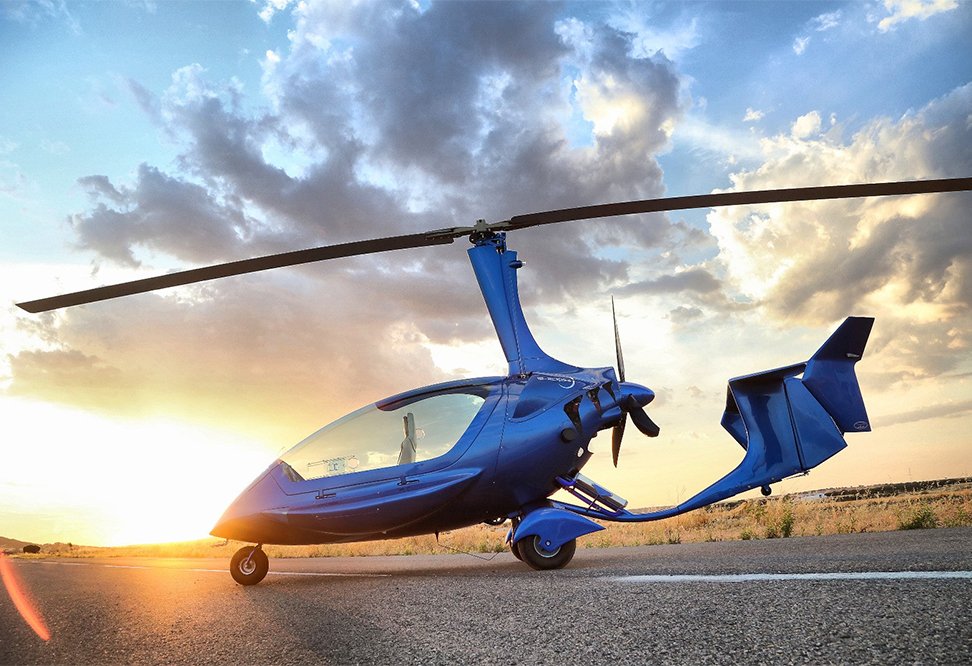
The announcement highlights ELA’s Eclipse REVO, described by the company as a fully enclosed, two-seat carbon-composite gyroplane using a Rotax 916iS engine. ELA states that the model can take off in about 10 metres without a conventional runway, although that performance claim should be read as a manufacturer-reported specification.
For composite-textile producers, the wider message is that light aviation remains a credible growth outlet for carbon reinforcements, stitched multiaxials, structural cores and infusion-ready process materials. The next test will be whether such integrated supply models can also accelerate adoption in drones, electric aviation, marine craft and lightweight ground transport.
