

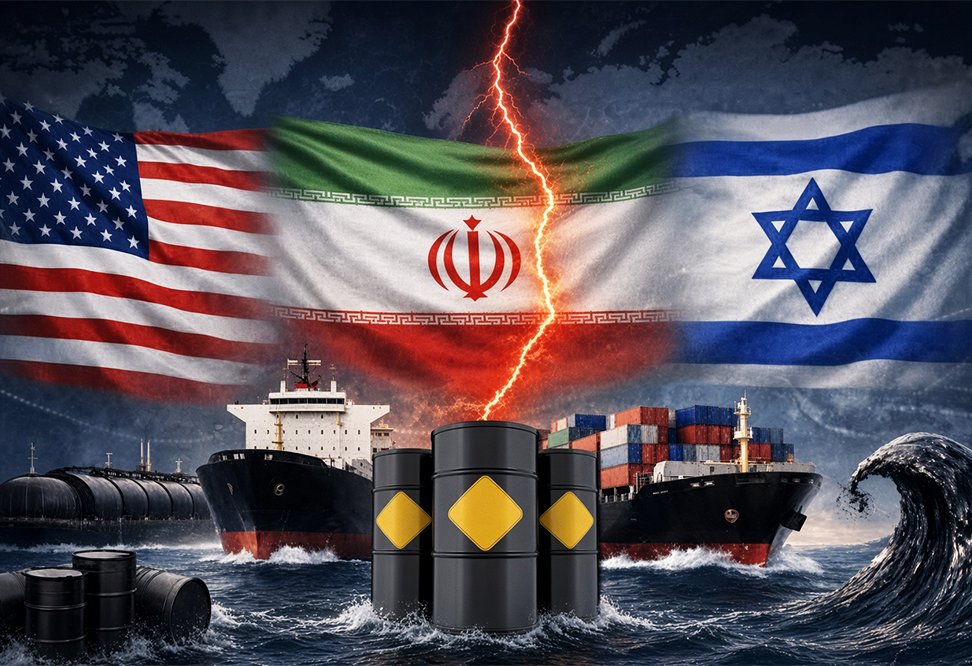
The shock is moving through the entire fashion value chain—from polyester feedstocks and cotton to factory energy, insurance and ocean freight—leaving manufacturers with limited room to absorb further increases.
The widening Middle East conflict is driving another round of cost inflation through global textile and apparel supply chains, as disruption to oil flows and major shipping routes lifts energy, fibre, chemical and logistics expenses.
The International Apparel Federation warned earlier this year that disruption around the Strait of Hormuz was already creating shortages and sharply higher energy costs, while cautioning brands against simply passing those pressures upstream to manufacturers.
Oil shock reaches fibres
Apparel’s exposure extends well beyond transport fuel. Polyester, nylon, dyes, finishing chemicals, plastics and many trims depend directly or indirectly on petrochemical feedstocks.
RSM estimates that cotton futures rose 30% between the outbreak of the Iran conflict on February 28 and the second week of May, partly because higher petroleum-based synthetic-fibre costs shifted demand toward natural fibres. Cotton prices were still 19% above pre-war levels by May 21.
The renewed escalation is keeping that risk alive. Brent crude has again moved above $100 per barrel, while continuing disruption around Hormuz, Saudi oil infrastructure and the Red Sea threatens to keep energy prices elevated.
Freight adds another layer
Apparel logistics are being hit simultaneously. Diversions around the Cape of Good Hope can add 10–14 days to Asia-Europe transit times, absorbing vessel capacity and increasing fuel, insurance and inventory costs.
For fashion retailers, longer journeys also increase the risk that highly seasonal merchandise arrives late, forcing greater use of expensive air freight or markdowns.
Who absorbs the increase?
The commercial dispute now moves downstream. Manufacturers—particularly in Bangladesh, Pakistan, Türkiye, India and Southeast Asia—typically operate on narrow margins and cannot indefinitely absorb rising electricity, fuel, chemicals, freight and fibre costs.
The IAF argues that brands and suppliers need responsible purchasing practices and more balanced risk sharing, warning that pushing every external shock onto factories ultimately weakens supply-chain resilience.
The critical indicators for apparel sourcing teams are now oil prices, Red Sea and Hormuz shipping security, polyester feedstock costs and freight surcharges. If disruption persists into the fourth quarter, pressure for higher factory prices—and eventually higher retail prices—will become increasingly difficult to avoid.
