

Gas and electricity shortages are cutting production across key textile and garment hubs, raising shipment, wage and competitiveness risks for one of the world’s largest apparel exporters.
Bangladesh’s worsening gas and electricity crisis is disrupting production at more than 400 factories, with 202 plants at risk of complete shutdown within one to two months if supply conditions do not improve, according to an Industrial Police assessment.
The review covered 10,063 factories across eight industrial-police zones as of August 31. Of 413 factories identified as seriously affected, 195 faced shortages of both gas and power, while another 115 were primarily constrained by gas. More than 150 factories were operating at only 10–50% of normal capacity.
Textile processing takes the hardest hit
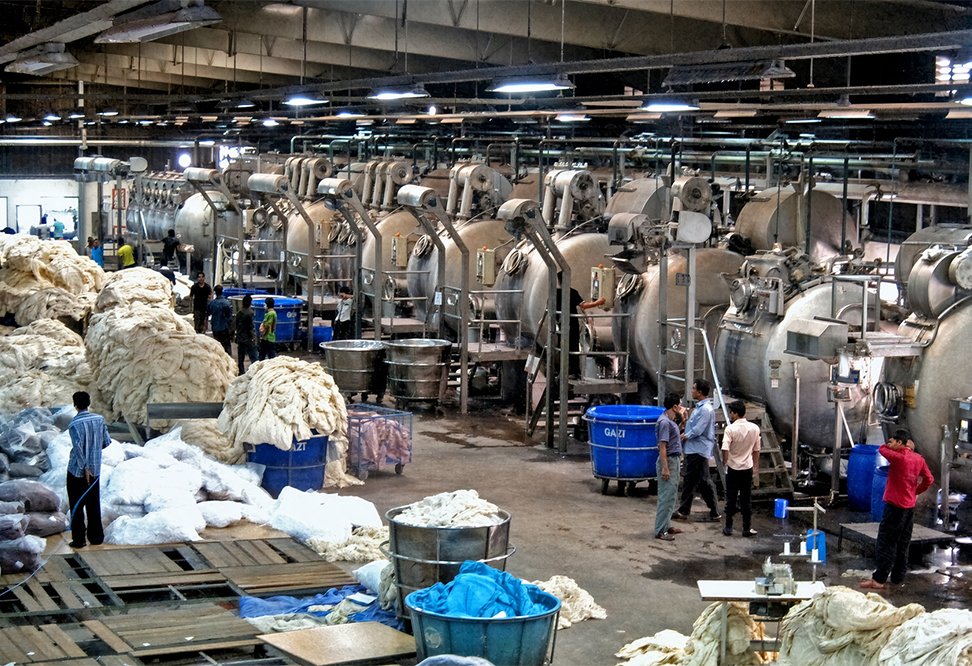
Gas-intensive operations including knit composite mills, dyeing and washing units are among the most exposed because boilers, dryers and captive-power systems cannot operate efficiently at low gas pressure.
Industrial Police officials in Gazipur reported output reductions of around 35–40%, while at least 26 factories in Chattogram were struggling to meet half of their shipment commitments.
BGMEA President Mahmud Hasan Khan said around 2,000 of the association’s 2,500–2,800 member factories were experiencing some form of gas or electricity disruption.
Alternative energy raises costs
Factories able to continue operating are increasingly relying on diesel generators, alternative boiler fuels and production rescheduling. These measures protect shipments but increase conversion costs that exporters say cannot easily be passed on to international buyers.
The crisis began in July after LNG supply disruptions reduced gas availability, contributing at times to power-generation shortfalls exceeding 1,500 MW.
Competitiveness risk moves downstream
The immediate danger is no longer simply lost factory hours. Persistent shortages could lead to late deliveries, higher production costs, cash-flow stress and worker layoffs, weakening Bangladesh’s reliability as a sourcing hub.
The government says additional LNG cargoes could ease conditions by late September or early October, while longer-term plans include new LNG infrastructure and 150 additional gas wells by 2030/31.
For buyers and suppliers, the critical signal now is how quickly stable gas pressure returns to Gazipur, Narayanganj, Ashulia and Chattogram. Prolonged disruption would turn an energy shortage into a material export-competitiveness problem.
