

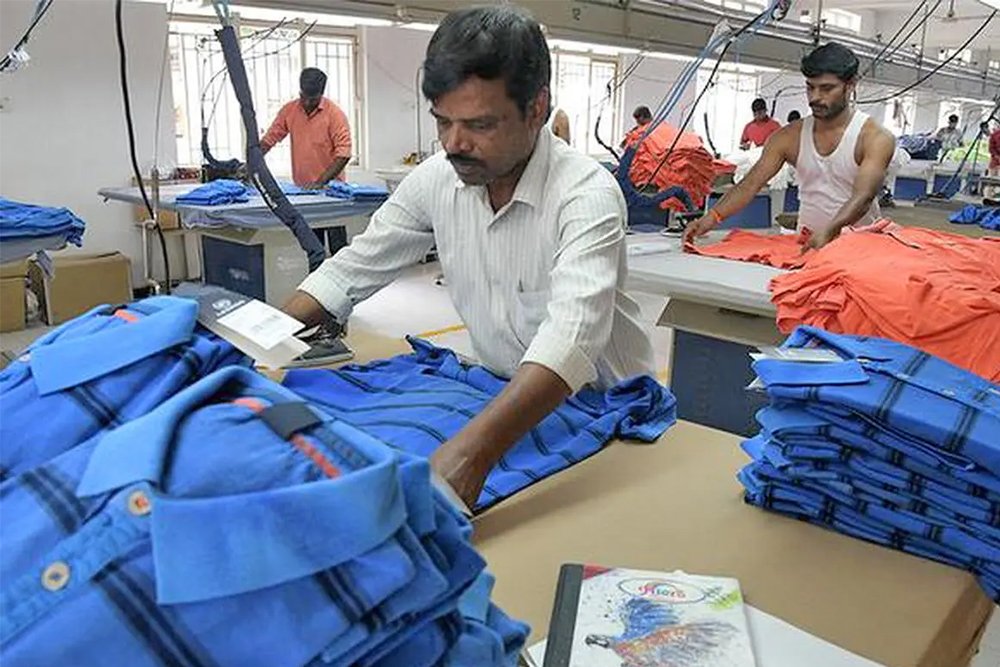
The three-month extension preserves tax remission for garments and made-ups as India combines export incentives, stronger trade access and rapid textile-export growth.
India has extended its Rebate of State and Central Taxes and Levies (RoSCTL) scheme for apparel, garments and made-ups through December 31, 2026, avoiding a policy break when the previous extension expired on September 30. Existing rebate rates and operating guidelines remain unchanged.
Embedded taxes stay off exports
Operational since March 7, 2019, RoSCTL refunds eligible state and central taxes and levies embedded in exported products that are not reimbursed through other mechanisms. It covers apparel under HS Chapters 61 and 62 and made-ups under Chapter 63; other eligible textile products generally fall under the separate RoDTEP framework.
The scheme supported more than 15,400 exporters across over 444 Indian districts in FY2025/26, with MSMEs forming the majority of beneficiaries. The geographical reach matters because India is increasingly trying to bring smaller manufacturing clusters into export markets rather than concentrating incentives among established large exporters.
Timing strengthens the export push
The extension comes as Indian textile exports are accelerating. Total textile exports reached ₹29,776 crore in August 2026, up 16.1% year on year, while ready-made garment exports increased 6.1%. During April–August, overall textile exports grew 10.3% to ₹1.43 lakh crore.
India is simultaneously supporting exporters through cotton-duty relief, MMF input measures, logistics assistance, export-promotion programmes and wider market-access initiatives.
Implications for Pakistan
RoSCTL is important because India is systematically attempting to remove domestic cost disadvantages from exported garments and home textiles rather than asking exporters to absorb embedded taxes.
For Pakistan, this raises the competitiveness benchmark in categories where the two countries overlap, particularly apparel, bed linen and other made-ups. Pakistan’s exporters cannot rely only on GSP+ access or comparatively strong cotton integration if competitors are combining tax remission with expanding market access and industrial-policy support.
The appropriate response is similarly structural: minimise embedded export costs, improve energy competitiveness, accelerate refunds, strengthen MMF capability and raise productivity. As tariff advantages narrow, the all-in factory cost and speed of exporting become increasingly decisive.
