

The confidential pilot moves recombinant spider silk from scaled cocoon production into customer product development, but commercial viability will depend on repeatable yarn quality, conversion economics and larger orders.
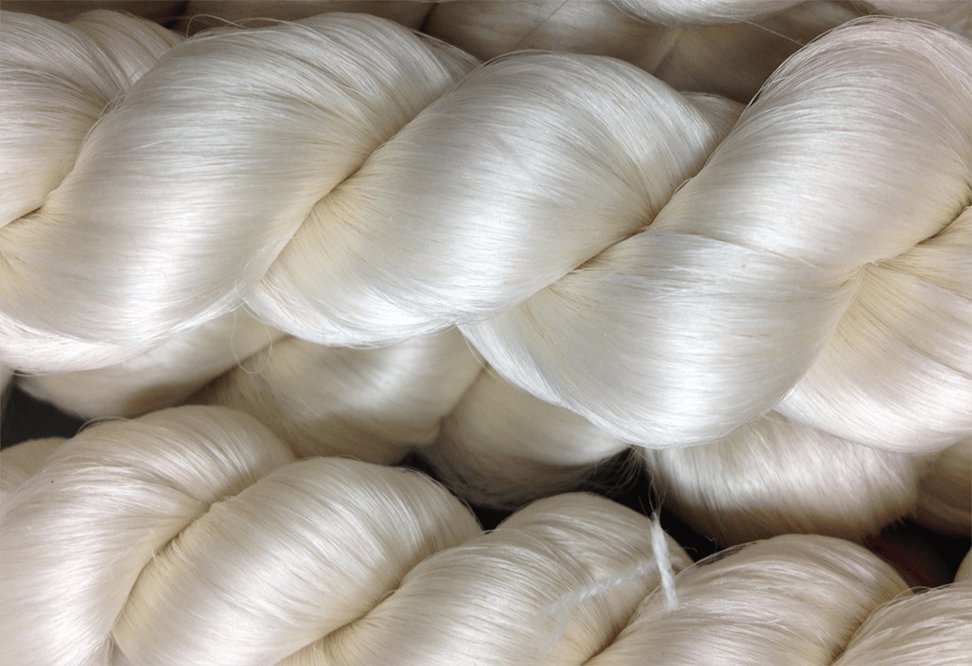
US biomaterials developer Kraig Biocraft Laboratories has shipped its first commercial order of recombinant spider-silk yarn to an unnamed global performance-sports brand, marking an important transition from material development to a customer-led textile programme.
The custom-engineered yarn was produced to specifications supplied by the customer and will be evaluated for a specialised performance textile. Neither the shipment volume nor financial value has been disclosed; Kraig says the quantity was deliberately small because the programme is focused on a precision, high-performance application rather than bulk supply.
Silkworms become the production platform
Kraig’s approach differs from fermentation-based biomaterial routes. It uses genetically engineered silkworms to produce recombinant proteins incorporating spider-silk characteristics, retaining established sericulture infrastructure for fibre production.
The attraction is the material-property combination associated with spider silk: strength, toughness, flexibility and low weight. Potential applications therefore extend from performance apparel to protective and technical materials, although performance in finished commercial products still needs customer validation.
Scale-up moves beyond laboratory quantities
Kraig reported producing nearly 2.5 tonnes of recombinant spider-silk cocoons in a single May–June 2026 production cycle, its largest batch to date. Earlier output was also being converted into reeled silk for downstream development.
That is materially different from proving economical yarn and fabric production at industrial scale, however. Cocoon output must still move through reeling, spinning or twisting, fabric formation, dyeing/finishing and product qualification with consistent properties.
Commercialisation enters the harder phase
For textile manufacturers, the significance is less that spider silk is about to displace polyester or nylon than that engineered biological fibres are beginning to enter conventional textile-development pipelines.
The next milestones matter more than the first shipment: repeat orders, disclosed yarn volumes, conversion yields, achievable cost per kilogram and verified performance in finished products. Until those emerge, Kraig’s delivery should be viewed as a credible commercialisation milestone—but still an early one.
