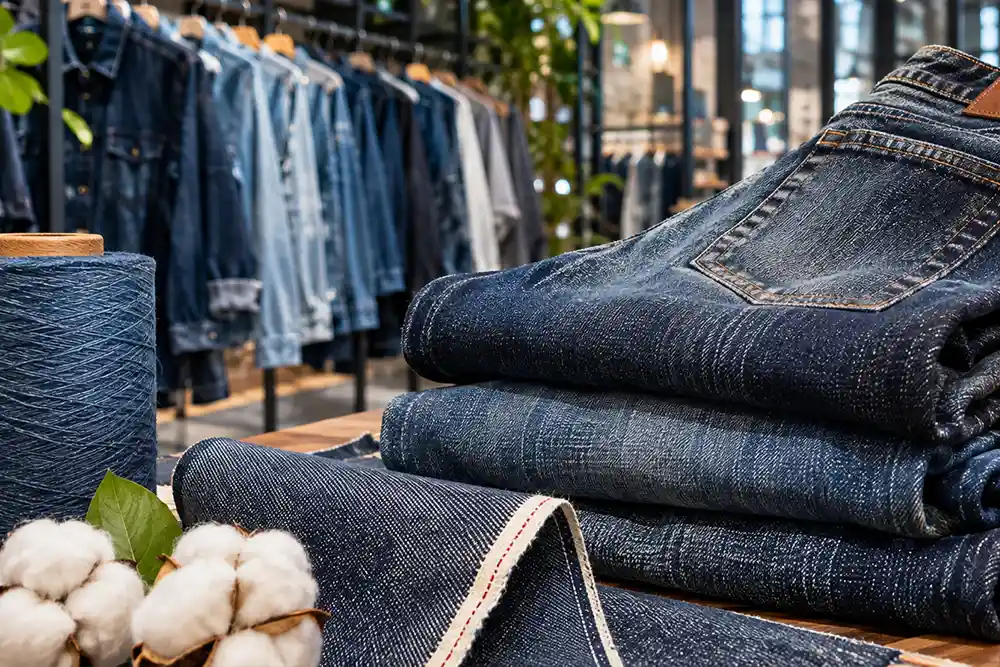
Rising demand for premium craftsmanship, sustainable materials and exclusive designs is driving growth in luxury denim, creating opportunities for manufacturers specialising in high-quality fabrics and advanced finishing.
The global luxury denim market is projected to increase from $5.42 billion in 2026 to $7.6 billion by 2030, representing a compound annual growth rate (CAGR) of 8.8%, according to The Business Research Company.
The market was valued at $4.96 billion in 2025, supported by increasing consumer spending on premium apparel, designer labels and distinctive denim products. The estimates measure factory-gate sales rather than final retail expenditure.
Premium Materials Drive Market Expansion
Demand for high-quality fabrics, sophisticated finishes and distinctive garment construction is strengthening the luxury denim segment.
Growth is also being supported by interest in organic cotton, recycled fibres, durable fabrics and personalised clothing.
The report identifies raw denim, stretch denim, organic denim and recycled denim as important material categories, while jeans, jackets, shirts and dresses represent major product segments.
Luxury brands are increasingly emphasising craftsmanship, exclusivity and product longevity to justify premium pricing.
North America Leads, Asia-Pacific Gains Momentum
North America was the largest regional market in 2025, while Asia-Pacific is forecast to record the fastest growth through 2030.
Major industry participants include Levi Strauss, Diesel, Prada, Gucci, Acne Studios, Citizens of Humanity, Nudie Jeans and Jacob Cohën.
Premiumisation is already influencing established denim brands. Levi Strauss introduced its Blue Tab collection in 2025, featuring Japanese-inspired craftsmanship and elevated fabric quality. The company subsequently expanded the collection’s premium retail presence.
Opportunities for Denim Manufacturers
For denim mills and garment exporters, the expanding premium segment creates opportunities in specialty yarns, selvedge fabrics, sophisticated washing, laser finishing and traceable raw materials.
However, tariffs on imported cotton, specialty fibres, dyes and trims could increase manufacturing costs and pressure margins.
The next market indicator will be whether consumers sustain premium spending while brands balance product differentiation, verifiable sustainability claims and higher sourcing costs.
For manufacturers, competitiveness will increasingly depend on combining fabric quality, finishing precision and supply-chain transparency rather than competing solely on price.