

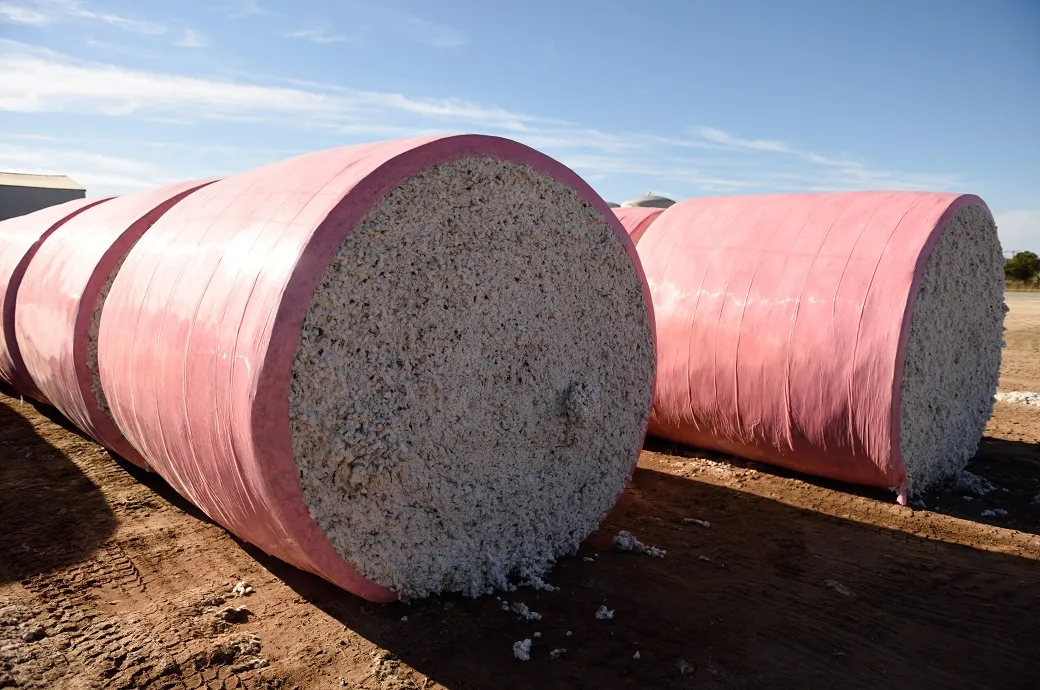
Between January and May 2025, Australia exported approximately $33.5 million worth of cotton to India, totaling around 17.36 million kilograms. This made India the fifth-largest destination for Australian cotton during this period, highlighting the ongoing, albeit modest, trade ties between the two countries.
However, this figure represents a significant drop compared to 2024, when Australian cotton exports to India totaled 4.
3 million for the full year. Despite having access to a duty-free annual quota of 51,000 tonnes under the Australia-India Economic Cooperation and Trade Agreement (AI-ECTA), actual export volumes in the first five months of 2025 remained well below potential capacity.
The AI-ECTA agreement allows Australian cotton to enter the Indian market tariff-free within the quota limit, and in recent years this quota has been almost fully utilized. Nevertheless, Australia’s share in India’s overall cotton import market remains relatively limited, as Indian buyers continue to diversify their sourcing based on price, quality, and availability.
Meanwhile, India’s domestic cotton production has been facing headwinds. The 2024–25 season is expected to see cotton output drop to a seven-year low of around 295 lakh bales. This decline in local production has led to a surge in imports, estimated to reach about 3 million bales, while exports from India are projected to shrink to just 1.7 million bales—a rare reversal in trade flows.
The decrease in Australian cotton exports to India, despite favorable trade terms, underscores the complexities of global cotton trade. Market volatility, shifting sourcing strategies, and domestic production challenges are all influencing how countries like India manage their cotton needs. For Australian suppliers, the opportunity remains, but converting trade agreements into consistently high export volumes will depend on strengthening market presence and competitive positioning in the months ahead.

