Vinyl upholstery fabric can be a good choice for restoring older pieces of furniture and upholstery. The extreme environment of the marine environment so far required upholstery companies to rely on faux leather products based on expanded vinyl. Unfortunately, those products are a mix of vinyl plastic and a high percentage of PVC, a plastic notorious for its toxicity during manufacturing, disposal, and as a microplastic source. However, these products are toxic to the environment. Therefore, General Silicones (GS), a Taiwan-based company, has produced Compo-SiL®, a green alternative to toxic leather and leatherette materials used for marine upholstery.
Michael Lin, CEO of GS, said: “The unique chemistry of silicone rubber makes it a green and ideal material for extreme outdoor environments. I am proud to see how our Compo-SiL® adhesion technology allows bringing those advantages to the nautical world”.
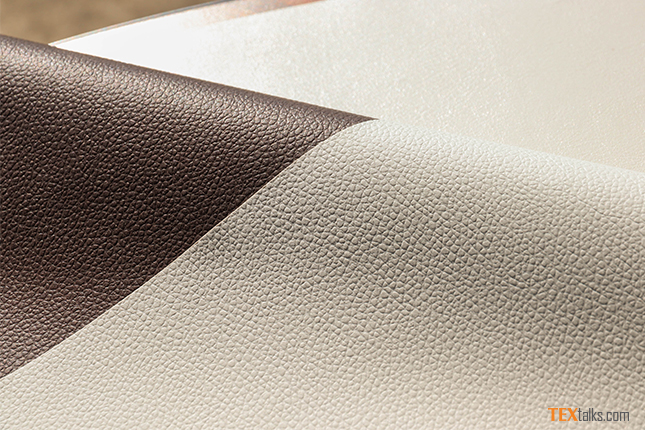 Compo-SiL® has the following benefits:
• Green leather (sustainability): Silicone rubber is a green and eco-friendly material. It is based on silicon, the second most abundant element on Earth.
Silicone is non-toxic and free of PPA, lead, latex, and halogens. Silicone rubber does not decay into microplastic waste.
When burned or disposed of in landfills, silicone rubber will convert back into inorganic, harmless ingredients: amorphous silica, carbon dioxide, and water vapor. Thus, it does not pose a threat to the environment, wildlife, and ecosystems.
• Solid and Lasting Adhesion to any Surface: GS developed the exclusive patented with its Compo-SiL® technology that allows solid and enduring adhesion of silicone rubber to nearly any surface. Using HMA or PUR adhesion, Compo-SiL® marine leather can be glued to metal, plastics and combined with other textiles in R2R manufacturing. These advantages make Compo-SiL® not only an excellent material for marine upholstery and wall coverings but also as decoration and the protection of any surfaces exposed to extreme outdoor conditions.
• Protection from Fading and Discoloration by Sunlight: Direct exposure to intense UV radiation on high seas is a critical problem for plastic materials and dyes. However, the chemical properties of silicone rubber make it immune to decay from UV radiation, but it protects the dyes and colorations embedded in the silicone. As a result, product life is extended as fading and bleaching do not occur.