

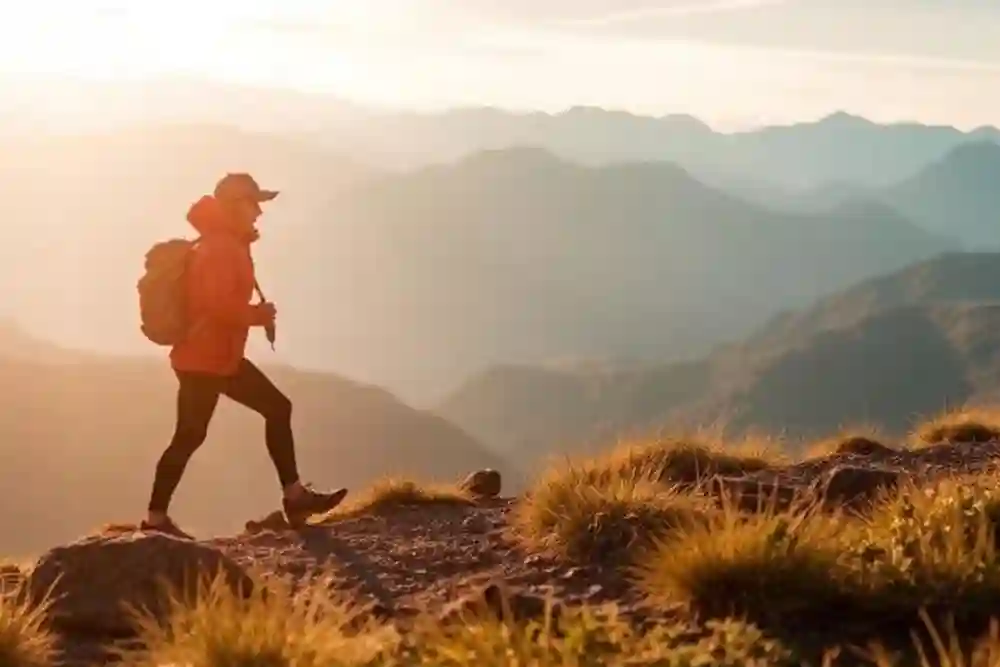
The global outdoor clothing market is entering a sustained growth phase, expanding from USD 17.47 billion in 2024 to an estimated USD 26.72 billion by 2032, growing at a CAGR of 5.45% (2025–2032), according to a new report by MAXIMIZE Market Research.
Outdoor clothing—engineered for activities such as hiking, camping, skiing, climbing, fishing, and trail running—is increasingly positioned not just as functional gear, but as everyday lifestyle apparel.
Several structural trends are reshaping demand:
- Rising Participation in Outdoor & Adventure Activities
Increased engagement in trekking, camping, and wellness-driven outdoor sports is expanding the consumer base globally, especially post-pandemic. - Sustainability & Eco-Conscious Consumption
Demand is accelerating for recycled, low-impact, and environmentally responsible fabrics, pushing brands to innovate in materials and supply chains. - Technological Fabric Innovation
Advances in waterproof-breathable membranes, insulation systems, and smart textiles are improving comfort, durability, and performance. - E-Commerce & Digital Retail Expansion
Online channels are enabling global access to premium and niche outdoor brands, particularly in emerging markets. - Fashion–Function Convergence (Gorpcore)
Performance aesthetics are blending with everyday fashion, expanding outdoor apparel beyond purely recreational use.
Regional Dynamics
- North America remains the dominant market, supported by strong outdoor culture, infrastructure, and premium brand penetration.
- Asia-Pacific represents the fastest-growing region, driven by rising disposable incomes, urban wellness trends, and growing outdoor participation in China, Japan, South Korea, and Southeast Asia.
Market Segmentation Highlights
- By Product Type: Jackets, base layers, fleece, hoodies, technical pants, leggings, and tops dominate demand.
- By Fabric: Polyester and nylon lead due to performance advantages, with cotton and blended fabrics retaining relevance in lifestyle segments.
- By Channel: Online retail is growing rapidly, while specialty outdoor stores remain critical for premium positioning.
- By Consumer Group: Strong growth across men and women, with women-focused outdoor brands gaining momentum.
Key Challenges
- High Cost of Premium Gear due to advanced materials and construction
- Supply Chain Volatility impacting inventory and delivery timelines
- Intense Competition from established global brands
- Economic Sensitivity, as outdoor apparel remains partially discretionary
Strategic Outlook
The outdoor clothing market is transitioning from a niche performance segment into a hybrid lifestyle category. Future competitiveness will depend on:
- Sustainable material innovation
- Brand differentiation beyond pure performance
- Omnichannel retail execution
- Ability to balance premium pricing with broader accessibility
As outdoor apparel becomes embedded in everyday wardrobes, the sector is positioned for resilient, long-term growth rather than cyclical expansion alone.

