Growing demand for traceable cotton is reshaping global sourcing, with more than 4,000 certified suppliers participating in a system that increasingly links farm-origin information with finished textile products.
Global fashion brands and retailers sourced a record 33,000 metric tonnes of Traceable Better Cotton Initiative (BCI) Cotton in 2025–26, up 43.5% from approximately 23,000 tonnes a year earlier.
Figures released by BCI on November 17, 2026, show accelerating adoption of physical cotton traceability, supported by expanding supplier certification, brand participation and product-level labelling.
Traceability Network Expands Rapidly
BCI’s traceability programme, launched in November 2023, initially recorded just 90 tonnes of cotton reaching participating brands. It now covers 16 cotton-producing countries.
The number of retailers and brands using the system has reached 92, while certified supply-chain participants have increased from approximately 2,900 to more than 4,000.
Companies activating traceability rose from 60 to 90 over the past year, while those receiving products containing Traceable BCI Cotton increased from 17 to 40.
Traceability Depth Differs by Country
BCI’s system allows manufacturers and brands to follow physical cotton through documented supply-chain transactions, but traceability varies by origin.
In Brazil, traceability can extend to individual certified farms. In 11 countries, including Pakistan, India, China and Türkiye, it generally reaches the ginning stage. In Australia, Egypt, Uzbekistan and the United States, the reported visibility extends to spinning.
This distinction matters because country-of-origin verification does not necessarily establish farm-level traceability.
Product Labelling Gains Momentum
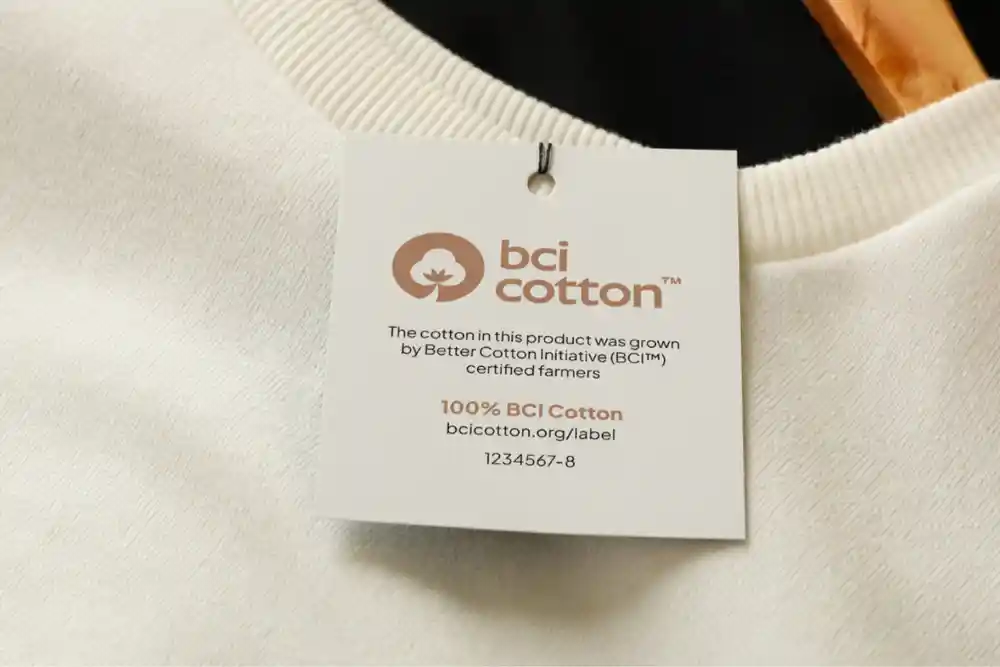
BCI introduced its consumer-facing Cotton Label in October 2025.
Seventeen members across nine countries have secured certification to use the label, with 154 product-level claims approved for markets spanning more than 30 countries.
The label requires certified, physically traceable BCI Cotton rather than conventional mass-balance sourcing.
What Textile Suppliers Must Prepare For
For Pakistani spinning mills, fabric manufacturers and garment exporters, growing demand for traceable cotton increases the importance of certified chain-of-custody systems, transaction records and material segregation or controlled blending.
The next challenge is scaling traceable sourcing beyond current volumes while improving farm-level visibility, reducing documentation costs and maintaining supply-chain integrity.