

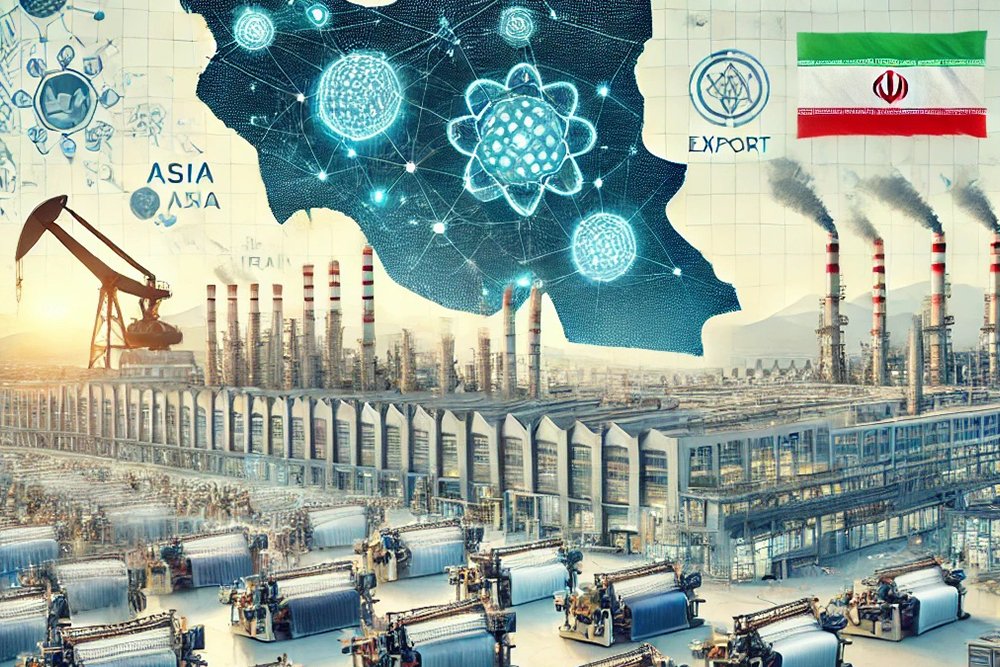
Iran’s textile industry is positioned for remarkable growth, driven by its numerous strategic advantages. With an annual production of over 300,000 tons of cotton, Iran has a substantial base for expanding its textile sector. The country also benefits from its rich petrochemical resources, essential for synthetic fiber production. Iran’s strategic location, bridging Asia and Europe, offers access to over 400 million potential customers within a 4-hour flight radius.
The domestic market, with a population of over 85 million, presents significant demand for textile products.
Government initiatives, such as the “Comprehensive Textile Development Plan,” aim to increase production and export capacity, targeting a 30% growth in textile and garment exports by 2025. Additionally, the establishment of specialized industrial zones and the promotion of technological advancements are expected to enhance the sector’s competitiveness.
Iran’s textile industry also capitalizes on a skilled workforce, with over 250,000 individuals employed in the sector.
The government’s focus on education and vocational training ensures a continuous supply of qualified professionals to meet industry demands.
Despite challenges like international sanctions and economic pressures, Iran’s textile sector remains resilient, with plans to modernize and expand its capabilities.
The combination of natural resources, strategic location, and government support positions Iran as a potential leader in the regional textile market. With targeted investments and a focus on sustainability, Iran’s textile industry is set to play a crucial role in the country’s economic development in the coming years.

