


Page 72 - January-February-2018
P. 72
72 73
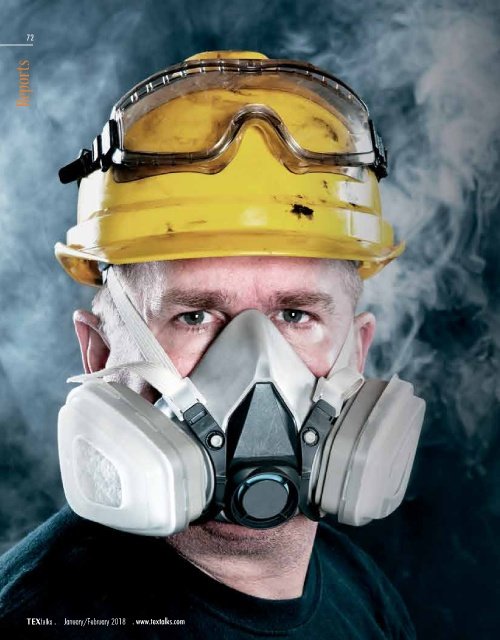
Protecting workers, including
textile sector, by reducing
exposure to carcinogens
Stricter EU rules to better protect workers from produce PVC)
exposure to carcinogens or mutagens at work win
Parliament’s final approval. These rules, which add Employers will have to identify and assess risks to
another 11 carcinogens to the dangerous workers who are exposed to these substances and
substances list and revise limit values for two existing take preventive measures. MEPs ensured that the
ones, target the primary cause of work-related deaths Commission will have to assess the possibility of
in the EU. The aim is to help save up to 100,000 lives including reprotoxic substances, i.e. those having
in the next 50 years. The directive was approved by effects on sexual function and fertility, in the
540 votes to 6 against, with 119 abstentions. Once dangerous substances list by the first quarter of
endorsed by the Council, the new rules will be 2019.
published in the EU Official Journal and enter into
force 20 days after publication. The European textile finishing sector is welcoming
the approval by the European Parliament of a binding
Cancer is the leading cause of work-related deaths in workplace limit, saying that workers using dyes
the EU. Annually, 53% of occupational deaths are should not breathe air with more than 0.005
attributed to cancer, compared with 28% for milligrams per cubic metre of chromium (VI)
circulatory diseases and 6% for respiratory ones. The compounds – mineral-based chemicals widely used
most common types of occupational cancer are lung in the textile, dyeing and finishing industries.
cancer, mesothelioma (caused by exposure to
asbestos particles) and bladder cancer. The new Health surveillance
rules will particularly benefit workers in the The new rules also lay down that the national
construction sector, chemical, automotive, authority responsible for the health surveillance of
woodworking and furniture industries, manufacturers workers may decide that health surveillance must
of food products and textiles, the healthcare sector continue after the end of exposure, for as long as
and hospitals needed to safeguard health.
Lower exposure limits Rapporteur Marita Ulvskog (S&D, SV), said: "I am
Occupational exposure limits, i.e. the maximum incredibly happy that the EU has finally revised the
quantity of harmful substances (usually expressed in carcinogens and mutagens directive. It took over ten
milligrams per cubic metre of air) that workers can years of pushing to get a more ambitious agenda.
be exposed to, have been set for: Workers need to know they are protected and that
• ten chemical agents:1,2-epoxypropane, companies are not competing on the basis of their
1,3-butadiene, 2-nitroproprane, acrylamide, health. The EU needs a stronger social agenda and
bromoethylene, vinyl bromide, chromium (VI) this is a good start. Cancer is the biggest workplace
compounds, ethylene oxide, hydrazine, and killer and we are going to continue to fight it."
o-toluidine, plus refractory ceramic fibres, and
• process-generated crystalline silica dust, created The impact of these regulations might not have any
by mining, cutting or crushing of materials such as immediate direct impact on the Pakistan’s textile
concrete, bricks or rocks. industry. However, given the GSP plus status and EU
being a major export market, the EU can influence
The new legislation also revises exposure limits for the policies as it has been evident on a number of
two substances already on the list: issues previously. Therefore, the local industry should
• hardwood dusts (produced by cutting or proactively work towards safety of workers and also
pulverising wood), and adopt/encourage the use of right personal protective
• vinyl chloride monomer (mainly used to equipment (PPE).
January/February 2018 January/February 2018

