

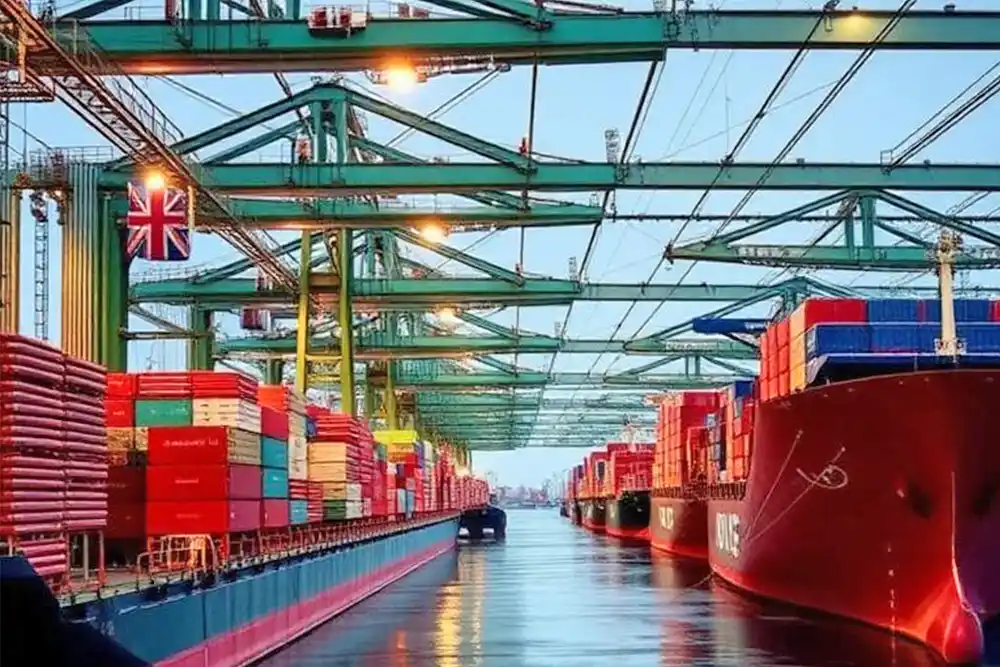
Longer shipping times and higher freight costs are squeezing Vietnam’s textile exporters, exposing the industry’s dependence on imported inputs and distant markets.
Vietnam’s textile and garment industry is facing a fresh external shock. Tensions in the Middle East are disrupting shipping lanes, forcing vessels onto longer routes and extending transit times by roughly two to three weeks. For an industry serving fast-fashion cycles and price-sensitive buyers, that is not a minor delay. It is a direct threat to margins, reliability and competitiveness.
What is being disrupted?
The immediate problem is logistics. Deliveries to major markets, especially the United States and Europe, are taking longer and costing more. Additional surcharges, vessel delays and shortages of empty containers at key ports are compounding the strain. At the same time, higher fuel prices are feeding into the cost of synthetic fibres and dyeing chemicals, raising production costs across the value chain.
Why does it matter?
This is not just a shipping story. It highlights a structural vulnerability: Vietnam’s reliance on imported raw materials and long-haul export routes. As nearshoring accelerates, competitors such as Mexico, India and Bangladesh may look more attractive to global buyers because of geography, tax advantages and easier access to inputs.
What now?
Vietnamese firms are responding pragmatically by renegotiating delivery schedules, strengthening risk management and seeking financial flexibility. Longer term, the industry’s resilience will depend on faster digitalisation, greener upgrading, stronger domestic value creation and more agile supply-chain planning. The $48bn export target for 2026 may still be reachable, but only with sharper adaptation.

