

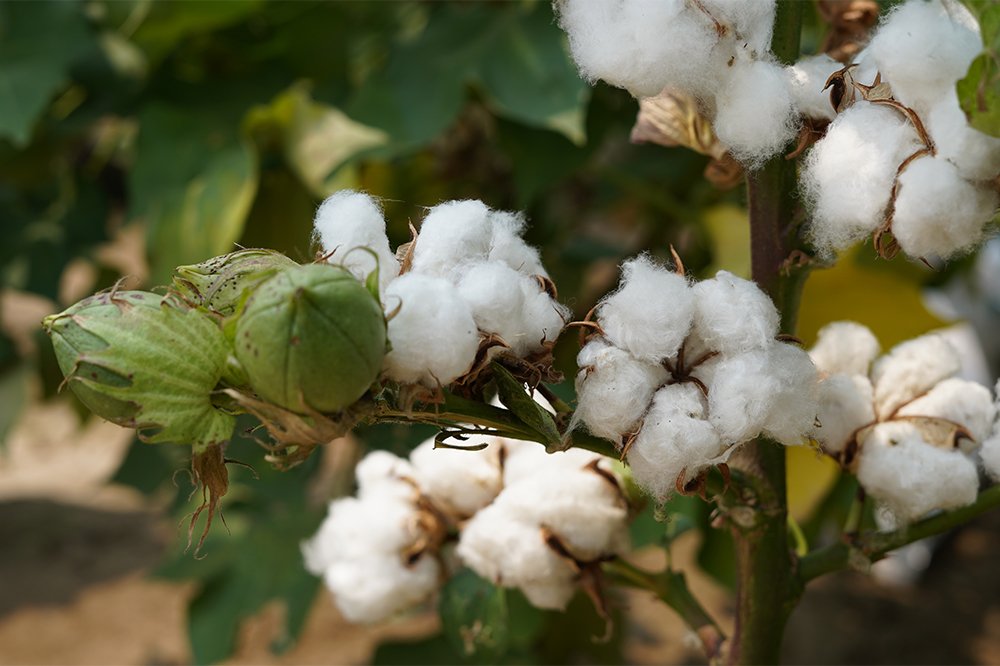
The stalled PCCC-PARC merger exposes how administrative inertia is undermining cotton revival just as Pakistan needs stronger domestic production and research capacity.
Pakistan’s plan to merge the Pakistan Central Cotton Committee (PCCC) into the Pakistan Agricultural Research Council (PARC) remains stuck, even after receiving clearance from the Ministry of Law on March 4th. The delay leaves a central pillar of the government’s cotton revival agenda unresolved.
The merger had already secured in-principal approval from the federal cabinet and the Establishment Division in January 2025, with a deadline of June 30th, 2025. Legal and administrative drafting has since been completed. Yet the Ministry of National Food Security and Research has not moved the summary for final approval or issued the formal notification.
According to reports, the Law Ministry returned the approved draft on March 4th, 2026 with instructions to proceed. Since then, the file has remained pending.
The merger is intended to consolidate cotton research, improve resource allocation and strengthen institutional efficiency. That matters because Pakistan’s cotton sector has suffered years of falling output, weak research support and policy inconsistency.
Without a functional research structure, efforts to raise productivity and restore cotton competitiveness are likely to remain fragmented.
Deputy Prime Minister Ishaq Dar has reportedly asked officials to expedite the matter, while the food security minister has also stressed the need for cotton revival. But unless the notification is issued, the merger will remain a policy intention rather than an operational reform.
In cotton, delay is no longer procedural. It is strategic failure.

