

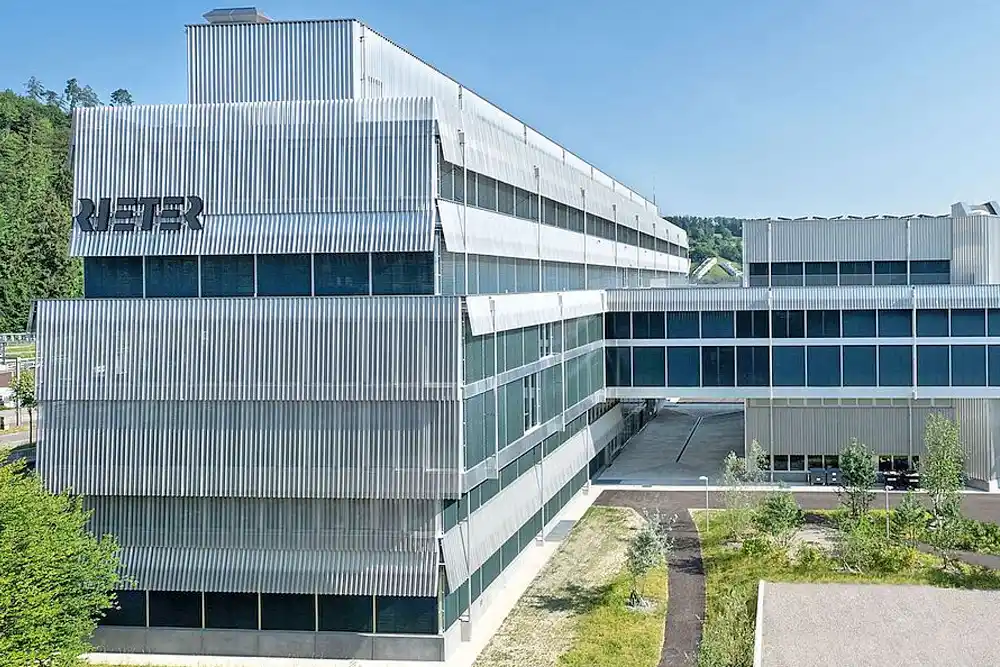
After absorbing input inflation, the Swiss spinning-machinery group is shifting the burden to customers from March 2026.
Textile machinery is, in large part, a bet on metal and microchips. With steel, copper, aluminium and electronics costs rising, Rieter says it can no longer pretend the increase is temporary—and will begin adjusting prices in March 2026.
Rieter notes that its machines and components rely heavily on steel, copper, aluminium and electronics, all of which have seen stronger demand and higher prices in recent months. The company says it has not yet passed on these additional costs, but now views the trend as structural rather than transitory.
This is a familiar late-cycle move in capital goods: suppliers hold prices while volatility looks temporary, then reprice once they conclude costs have reset. For spinning mills, it means capex budgeting tightens just as many are trying to modernise for energy efficiency, automation and compliance. For competitors, it creates cover: one price leader moving often allows an industry-wide reset.
Expect buyers to press harder on total cost of ownership—energy draw, waste, uptime, spares pricing—rather than headline machine price. Rieter, meanwhile, will need to show that any increase is matched by measurable productivity gains, because mills will treat “input inflation” as a reason to delay purchases unless payback is explicit.

