

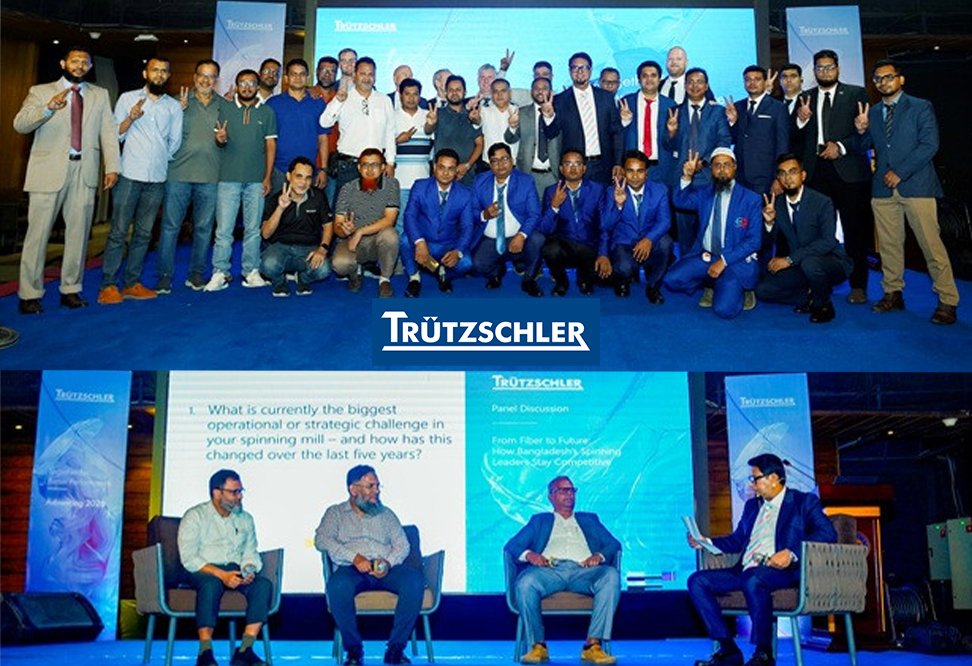
For Bangladesh’s spinners, the next productivity gains may come as much from carding discipline, preventive service and digital control as from buying entirely new machinery.
 working with its Bangladesh partner Euro Group, convened spinning-mill owners, technical professionals and industry specialists in Dhaka under the theme “Together for Better Performance – Advancing 2026.” The event focused on spinning preparation, card clothing, maintenance, automation and digital operations rather than announcing a new factory investment or machine order.
Card clothing becomes a performance decision
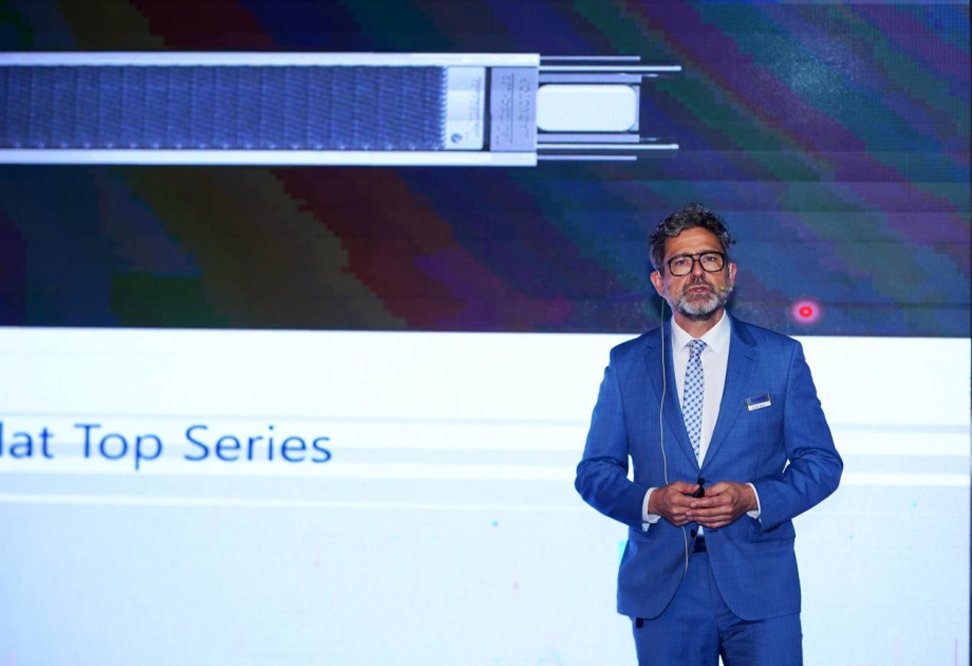
The technical sessions placed card clothing at the centre of mill economics. Trützschler Card Clothing representatives argued that wire and flat-top selection directly influence fibre opening, cleaning, fibre control, sliver regularity, yarn quality and production stability.
This is commercially significant for mills processing variable cotton lots, short-fibre blends and recycled inputs. Card clothing is often treated as a consumable maintenance item, but wear, setting stability and wire geometry can materially affect waste, imperfections, energy use and card productivity.
Trützschler used the event to introduce STEELTOP, its latest card-clothing development. The company says the product offers improved wear resistance, stable performance and longer operating life, with the potential to reduce maintenance frequency and related operating costs. Those performance claims require mill-specific validation under local raw-material and production conditions.
Service becomes part of the machine proposition
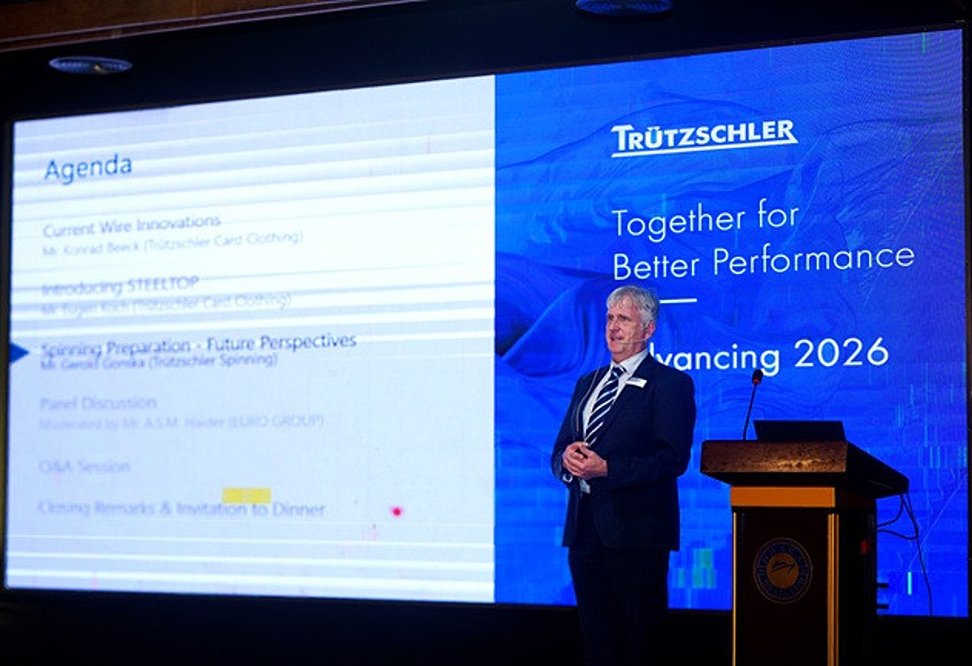
A second theme was the role of after-sales support. Trützschler and Euro Group stressed that equipment performance depends on preventive maintenance, technician capability, local spare-parts availability and rapid technical intervention—not only original machinery specifications.
For Bangladesh, where cost pressure and delivery reliability remain acute, downtime reduction is a decisive commercial issue. The more relevant procurement question is therefore total lifecycle performance: fibre-to-yarn quality, maintenance intervals, wire life, spare-parts response, energy consumption and the mill’s ability to sustain settings across changing cotton mixes.
Automation shifts from optional to strategic
The event also highlighted automation, intelligent monitoring and digital tools as the next frontier in spinning preparation. Trützschler’s current portfolio includes automated can transport, cloud-based mill monitoring and direct-spinning configurations designed to shorten preparation processes while maintaining quality.
For Bangladesh’s spinners, the immediate opportunity is not indiscriminate capital expenditure. It is targeted modernisation based on measurable bottlenecks: card waste, sliver variation, labour-intensive handling, maintenance losses, yarn imperfection levels and energy per kilogram.
The next test will be factory-floor evidence. Mills should assess new card clothing, service models and automation through controlled trials that measure quality, waste, productivity, energy and payback under their own cotton and yarn-count mix.
