

Fast fashion may have improved consumer choice but it has come at a cost. The average number of times clothes are worn before being thrown away continues to decline, falling 36 per cent in the 15 years to 2017. In the U.S., the average garment is worn just 40 times before it is discarded. Synthetic fabrics such as nylon, polyester and acrylic, which make up around 60 per cent of garment production, are all forms of plastic produced from petroleum. Synthetic fabrics also do not biodegrade, meaning at the end of their life, if they are not recycled, they are either burned or disposed of in landfills, where they will remain for centuries.
Sustainable fashion
Sustainable fashion is often touted as the solution, but what exactly is it? Sustainable fashion is a movement toward clothes that are manufactured responsibly respecting the environment and the communities in which they are produced. It takes into account not just the production of the raw materials that go into the fabric, where and how the clothes are made, and who makes them.
Viscose-rayon is a natural alternative to acrylic, polyester, nylon and other petroleum-based synthetic fabrics. Made from 100% wood cellulose, viscose is biodegradable and naturally decomposes. Viscose-rayon is increasingly a popular choice for designers and demand increasing as a sustainable fashion fabric of choice.
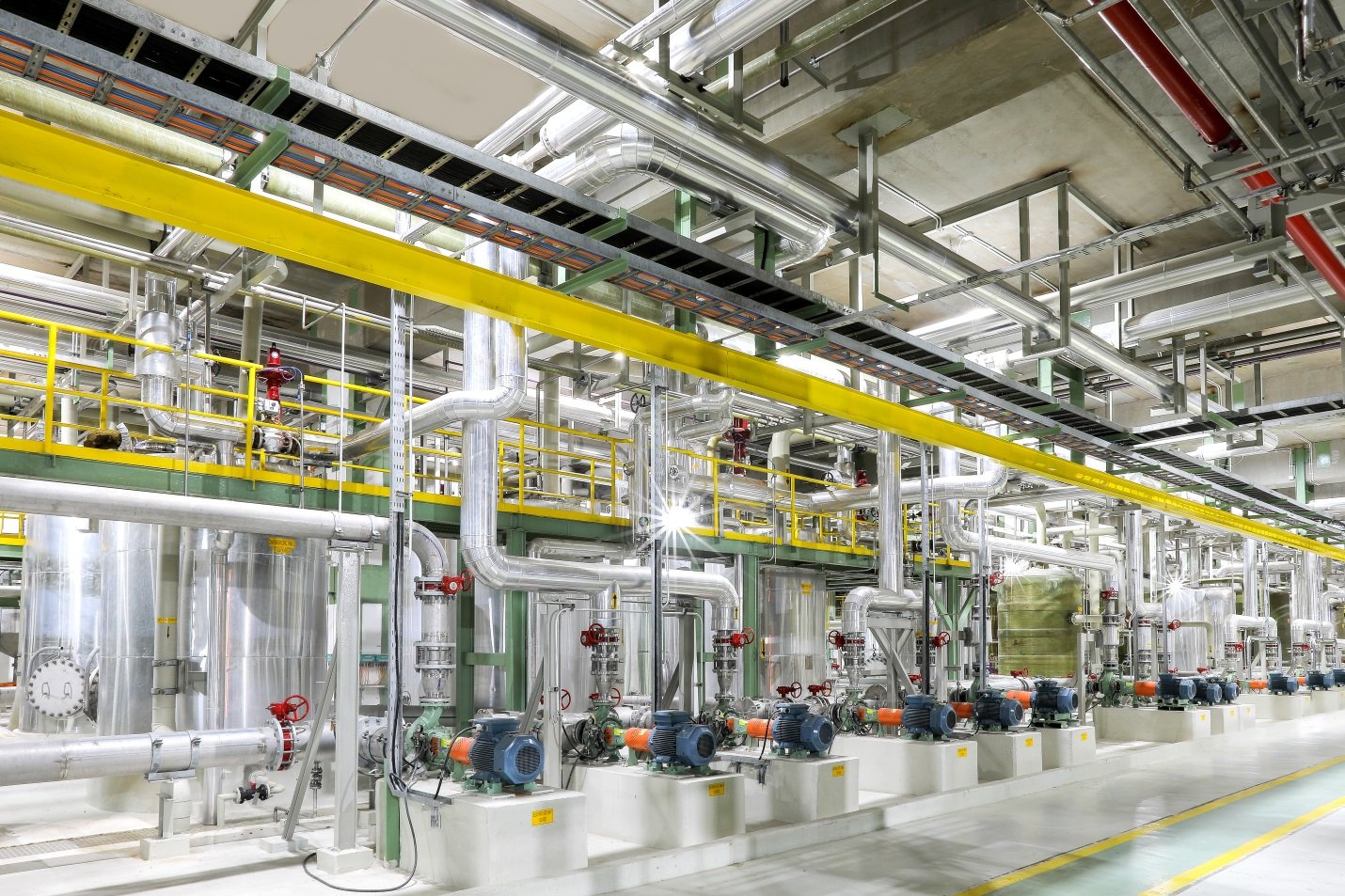 Three areas have to be managed well if viscose production is to be sustainable: i) pulp-sourcing – making sure that pulp is produced sustainably certified to International certification standards and does not contribute to deforestation; ii) clean production ensuring minimal environment footprint on emissions and iii) making positive economic impact on the surrounding communities.
Indonesian-based Asia Pacific Rayon (APR) is the first fully integrated viscose rayon producer in Asia from plantation to viscose fibre. APR, which has a production capacity of 240,000 tons per annum, is co-located with pulp supplier APRIL in Pangkalan Kerinci, in Riau province, Indonesia. APR and APRIL both are part of a group of companies managed by Singapore-headquartered resource-based group RGE.
Almost half of the output of APR is used in the domestic market, while the rest is exported to more than 20 countries like Turkey, Pakistan, Bangladesh, Vietnam, Germany and Italy. Why select APR as a source of viscose staple fibre?
Stable quality and supply: Being fully integrated from plantation to viscose-rayon bale, APR has minimal risk of supply disruption and is also protected against the volatility of commodity prices.
R&D and product development: Asia Pacific Yarn (APY) started production on Feb 2020, APY is a quality gatekeeper of APR as improvement for APR fibre quality and to support APR’s customers in improving quality, production and cost. APY have all three spinning technologies of Ring, Open-End and MVS to produce yarn for both knitting and woven applications, with a capacity of 7,200 tons per year.
World-class clean manufacturing: APR is committed to clean production of viscose-rayon fibre and constantly strives to operate in the top quartile of viscose-rayon manufacturing, in terms of reduced greenhouse gas (GHG) emissions, improved carbon disulphide (CS2) recovery, and wastewater management in line with industry-leading practices.
Traceability: The challenges of creating a truly traceable supply chain are complex, often costly, and require strong collaboration. Further, traceability is a collaborative effort that involves many actors across the entire supply chain. APR’s fibre is fully traceability back to where the material is sourced including its plantations. This information is publicly reported under www.followourfibre.com
Power optimized with renewable biomass: Most of the mill’s electricity is generated from renewable resources, using clean energy throughout the APR mill processes. As a result, , APR can drastically reduce the use of non-renewable fossil fuels.
Sustainability policy: APR aims to help build a vibrant and sustainable textile industry where raw materials are responsibly grown, using the latest technologies to maximize efficiencies and to supply world-class products for customers all over the world.
APR openly and constructively engages all customers, civil society organizations and fashion brands to ensure that the company can continue to strive to be among the best-managed and most sustainable companies in the industry, creating value for the community, country, climate and customers. It is APR’s vision to produce the best quality viscose fibre to enable our customers to grow their product offerings and be competitive in the market.
