

Vehicle production, lightweighting and demand for more sustainable interiors are expanding opportunities for woven fabrics, nonwovens, composites and advanced functional materials.
The global automotive textiles market is forecast to grow from $31.38 billion in 2025 to $32.86 billion in 2026, before reaching $40.16 billion by 2030, according to The Business Research Company.
The projected 2026–2030 compound annual growth rate is 5.1%, supported by rising vehicle production, electric-vehicle interior development, premiumisation and greater use of functional and lower-impact materials. Asia-Pacific was the market’s largest region in 2025.
Textiles move beyond upholstery
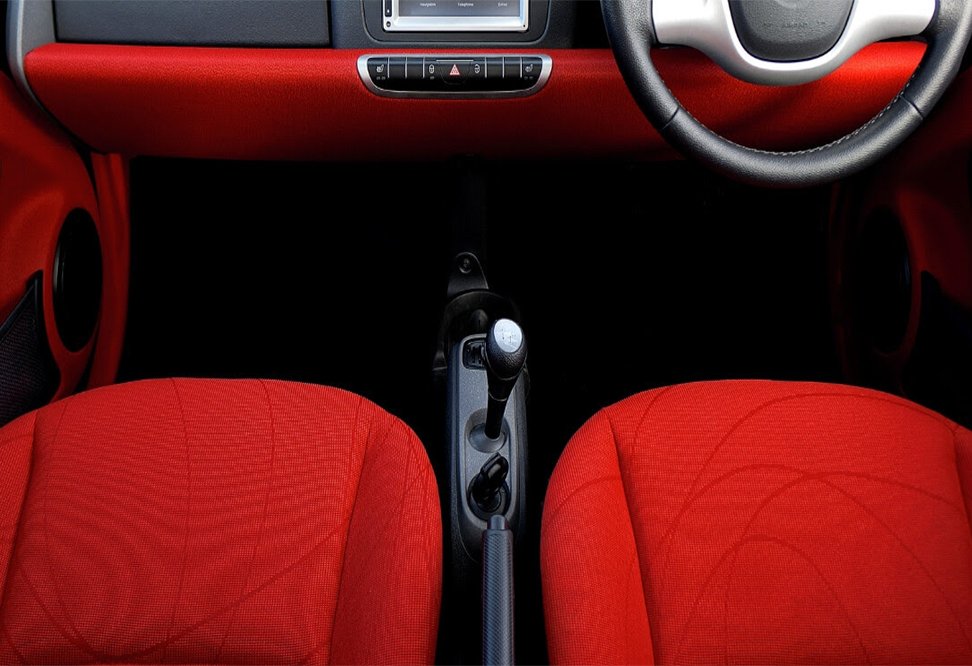
Automotive textiles include materials used for seating, carpets, headliners, convertible tops, acoustic insulation, safety systems and other interior or exterior components. The report segments the market by leather, polyester, nylon, vinyl, polyvinyl chloride and other materials, as well as by woven, nonwoven and composite constructions.
Passenger vehicles remain a core demand base, alongside light and heavy commercial vehicles. Growth is increasingly shaped not only by vehicle volumes but also by the amount and technical complexity of textile content installed in each vehicle.
Electric vehicles create additional opportunities for lightweight acoustic, thermal and decorative materials. With less engine noise, EV cabins require greater control of road and wind sound, while manufacturers are also seeking materials that reduce weight without compromising durability or perceived quality.
Sustainability enters material specifications
The report identifies recycled and bio-based fibres, lightweight interior textiles, advanced upholstery and improved comfort as major development trends.
For suppliers, this raises the importance of low-emission manufacturing, recycled-content verification, odour and fogging control, abrasion resistance, flame performance and long-term colour stability. Automotive qualification cycles are considerably more demanding than conventional apparel development, requiring consistent performance across heat, ultraviolet exposure, chemicals and repeated mechanical stress.
Scale favours established suppliers
Major participants identified in the report include Continental, Lear, Adient, Toyota Boshoku, Autoliv, Autoneum, Asahi Kasei and Reliance Industries. The supplier base also includes specialist producers of safety textiles, acoustic materials, narrow fabrics and automotive nonwovens.
The next competitive test will be whether textile manufacturers can combine sustainability claims with automotive-grade reliability and cost control. Market growth alone will not guarantee entry: suppliers must secure certification, meet lengthy OEM approval requirements and demonstrate dependable production at scale.
