


Alchemie can combat textile pollution and improve manufacturing efficiency.

Dr. Alan Hudd, the founder of Alchemie Technology, explains why it is critically important to lower the fashion and textile supply chain emissions. Alchemie Technology, a disruptive technology leader, is ready to change the industry by reducing wastewater, energy, and carbon emissions during the dyeing and finishing processes and lowering operating costs across the supply chain. The company recently joined the D(R)YE Factory of the Future Project, launched by Fashion For Good to accelerate the shift from wet to dry processing in the textile supply chain.
The project has brought together several textile pre-treatment and coloration innovations to reduce emissions and cut water consumption.
The fashion and textile industries are some of the biggest polluters on the planet, creating 3% of global CO2 emissions and being the second largest cause of water pollution worldwide.
Within the fashion and textile sector, the single worst contributor to climate change is dyeing and finishing – the processes by which color and other chemicals are applied to fabrics using chemical baths.
These are some of the most polluting industrial processes in the world.
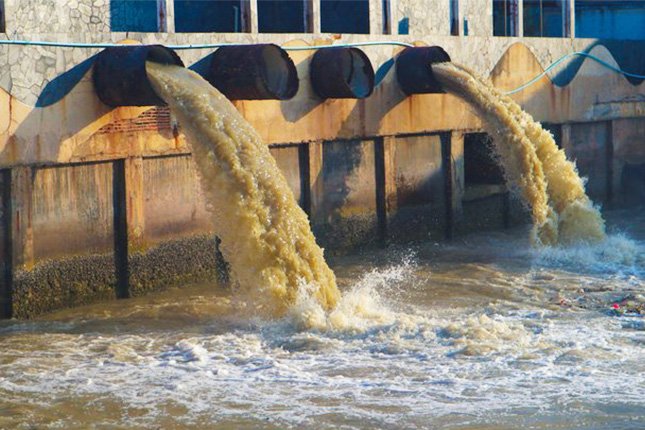
Textile dyeing and finishing are responsible for 3% of global CO2 emissions (predicted to increase to more than 10% by 2050). That is more than the CO2 produced by shipping and aviation combined, and it also causes over 20% of global water pollution. The wastewater makes its way into rivers and the sea, particularly in those countries which still dominate dyeing like China, Bangladesh, Thailand, and Indonesia. It can also be a dangerous industry to work in. In early January, six workers at a dyeing plant in India were killed after inhaling toxic gas caused by an illegal dump of waste chemicals.

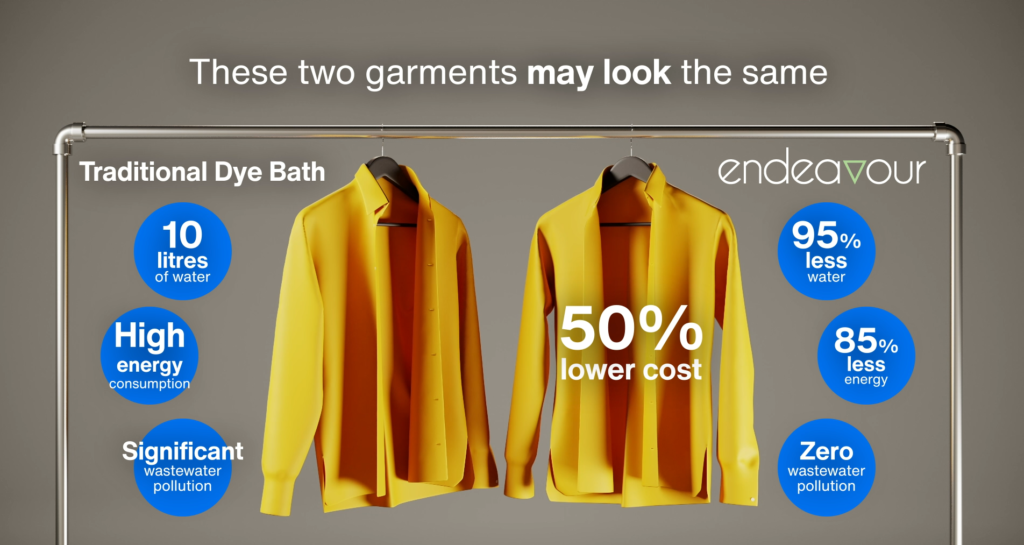
The good news is that using Alchemie Technology, the textile and fashion industry can reduce its CO2 emissions at the most incredible speed and make a massive contribution to the fight against climate change.
However, no single country or company can drive change alone. Everyone across the textile supply chain, including brands and manufacturers, needs to work together to move away from wet to dry dyeing.
