

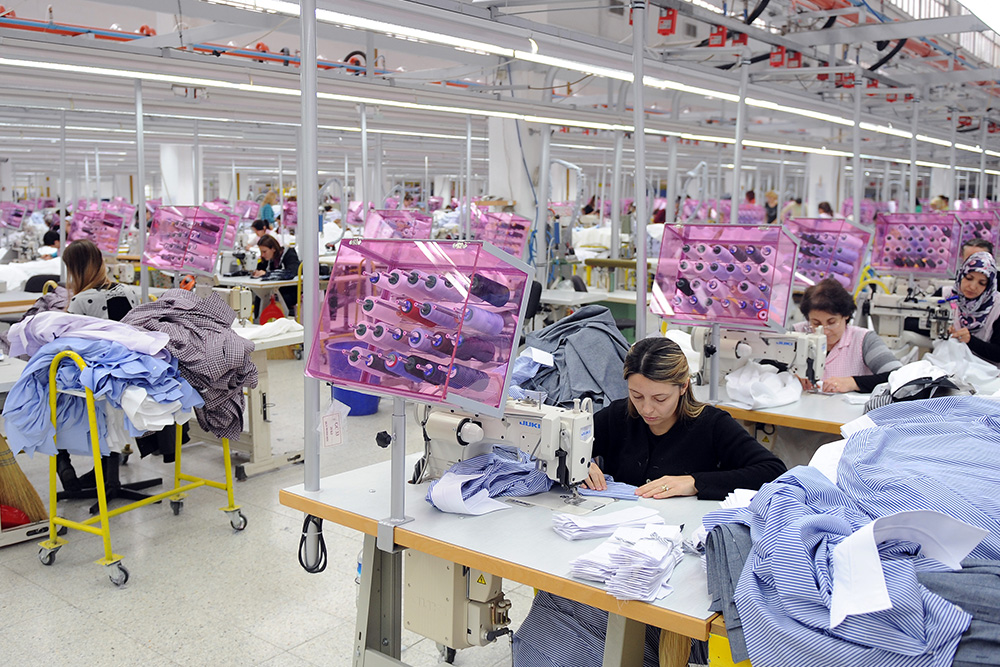
Bangladesh Garment Manufacturers and Exporters Association (BGMEA) is seriously concerned about the challenges that the apparel industry would face after its graduation to developing state and the new supply chain law in Europe.
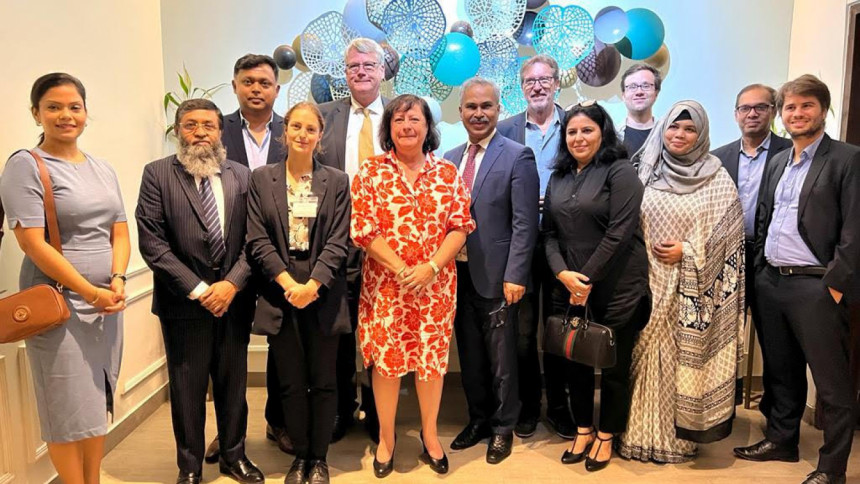
The BGMEA president Faroque Hassan met visiting German Parliamentary State Secretary to the Federal Ministry for Economic Cooperation and Development (BMZ) Bärbel Kofler in Dhaka to discuss these issues.
He also requested him to use his good office for cooperation from Germany for the development of Bangladesh’s apparel industry. He was particularly seeking assistance in the fields of environmental sustainability and skills development.
Bangladesh got duty free status in textiles and many other items as a very poor country. It developed its textile industry in the last 25 years to become a leading apparel exporter after China. The apparel industry is the largest employer in the manufacturing sector of Bangladesh. It is also the largest employer of women workforce in the entire sub-continent. After sustained growth Bangladesh is no longer considered as a poor state.
In fact its per capita income is higher than India. There are fears that the EU might withdraw the special market access to the country as it moves towards affluence.
The textile sector of Bangladesh is aware of this threat.
They are making efforts to turn this challenge into an opportunity by shifting from low value garments to high value apparels. They are also making efforts to make their industry compliant with the sustainable textile production goals so dear to the developed economies. In addition they desire to upgrade the skills of their workforce.
It was in this context that BGMEA sought assistance from Germany and the EU to secure its future.
The meeting took place at Embassy of Germany in Dhaka that hosted a dinner in honor of members of the German parliament and senior German government officials visiting Bangladesh.
