


Climate change is a reality that has forced all stakeholders’ particularly different manufacturers to reduce their carbon footprint from their processes to control further damage to the environment. The textile sector is among the major polluting industries.
Clothing and home textiles are used by the entire mankind. The textile value chain pollutes the environment at every step of its value chain. Cotton is a major raw material of textile products along with manmade fibers. The cotton crop uses water, pesticides and fertilizers all these are pollutants. Modern techniques have substantially reduced the use of all these elements to some extent but complete elimination of these harmful substances from cotton cultivation is not possible. Maybe at some later stage researchers succeed in producing synthetic fiber completely resembling the qualities of cotton fiber. We could reduce injury to nature caused by the cotton crop.
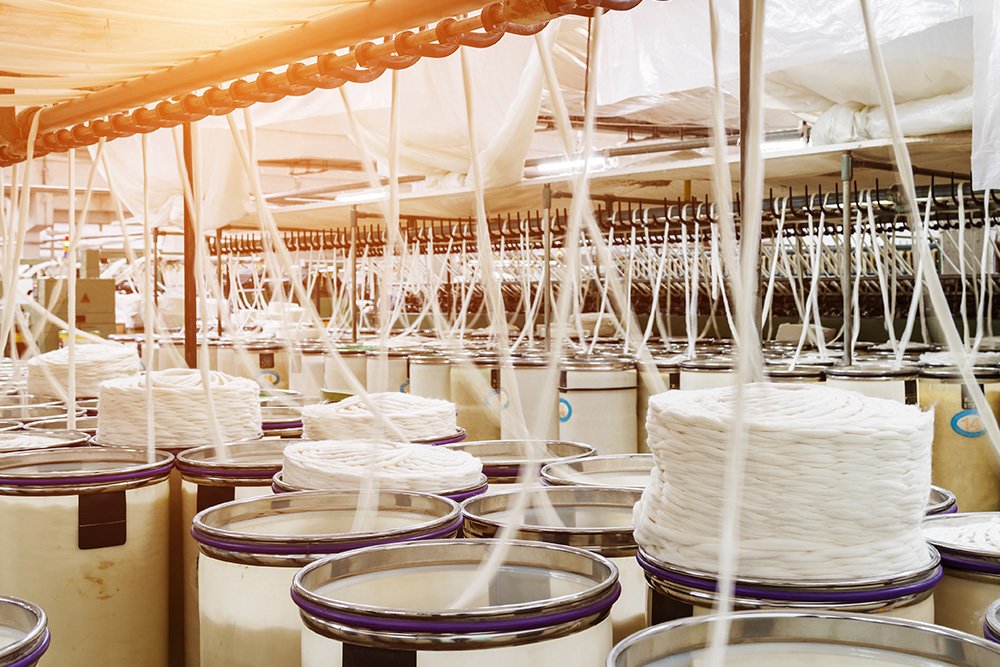
Spinning where cotton is a major raw material to produce yarn. This sector consumes a lot of power that is produced by various fuels like coal, furnace oil, gas, or water. The power produced from water is nominal. All other fuels release carbon compounds after burning and pollute the atmosphere. With the improvement in technology, spinning machines that require up to 40 percent less power have been introduced in the global market though in Pakistan we mostly operate high power-consuming spindles. Even after improved power use efficiency, the carbon print of spinning remains high. Weaving similarly uses high power and a lot of water. The processing and dyeing plants not only need high energy and power to operate; these processes consume a lot of water and chemicals that are injurious to health. These industries are required to treat the wastewater before releasing them into water channels. Spray technology has been introduced in recent years to minimize the use of both water and dyes.
The finished textile products use a lot of transport for disposal to consumers through distributors and retailers. Every mode of transport causes pollution. In this scenario, it looks impossible that the textile industry would operate 100 percent on clean technology. Efforts are being made to reduce the carbon footprint of textiles which is yielding results.
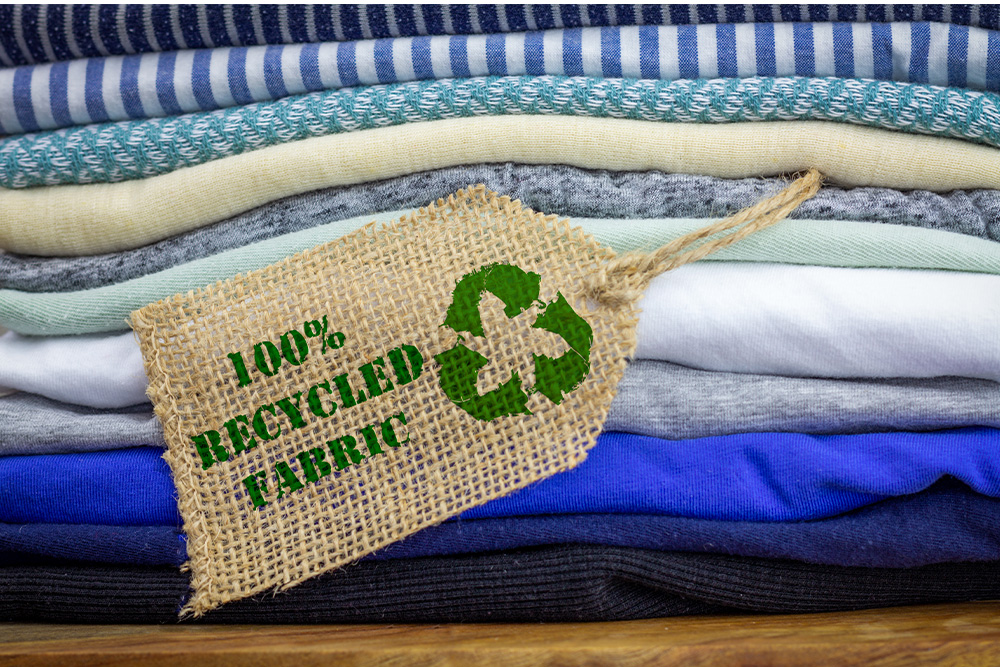
The developed economies are making efforts to encourage the production of clothing from recycled materials and fashion brands have been advised to reduce new offerings to a minimum. In fact, the European Union has announced a strategy to maximize the use of recycled clothing by 2030. This can also be reduced by shifting to better fiber. The carbon footprint of a polyester shirt is twice that of a cotton shirt.
Wind, solar energy, and hydropower are the non-polluting renewable energy sources that the textile industry is trying to use to promote sustainable textiles. As things stand now the carbon print from textiles can be substantially reduced but cannot be eliminated.
The textile industry stands out as the most labor-intensive industry in the world providing direct employment to around 90 million workers worldwide. It is important for providing employment but it must reduce its carbon print which is the highest among all manufacturing subsectors.
