

The textile industry is increasingly adopting bio-synthetics, materials made from renewable, bio-based feedstocks, as a sustainable alternative to traditional synthetic fibres derived from fossil fuels. By combining bio-based and recycled synthetics, the sector can reduce its dependency on virgin fossil-based fibres, which are harmful to the environment.
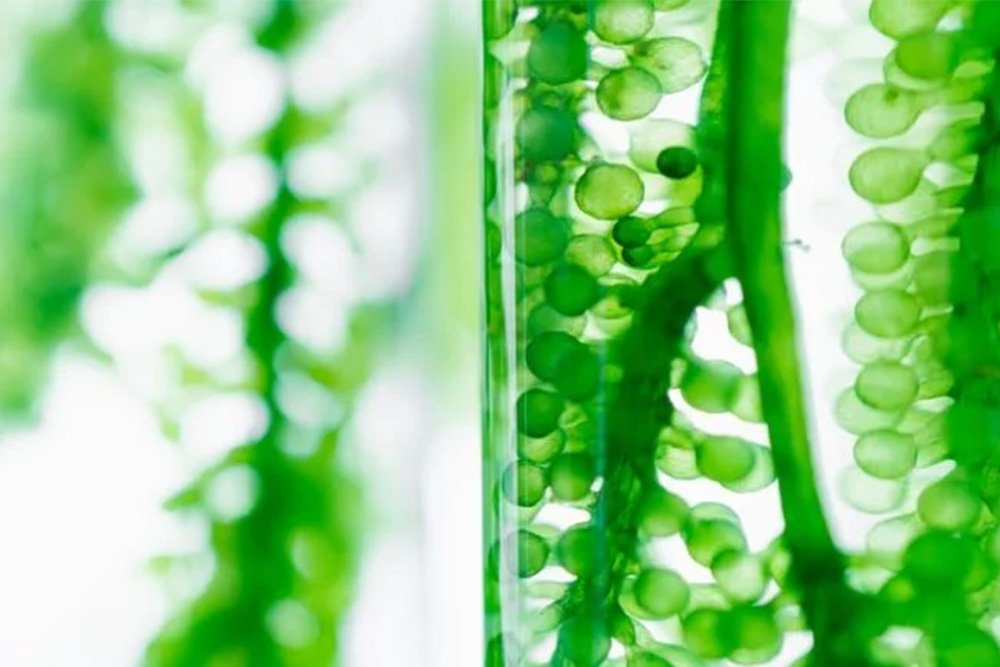
Bio-synthetics offer several advantages, including a smaller carbon footprint and less reliance on non-renewable resources. These materials are made from natural substances such as plants, fungi, or algae, which can be processed into fibres used in fashion and textiles. The growth of bio-synthetics aligns with global sustainability goals, reducing the environmental impact of textile production while meeting increasing consumer demand for eco-friendly products.
This shift towards bio-synthetics is essential for the textile industry’s transition to a circular economy.
Recycled synthetics can be integrated with bio-based materials to create durable, high-performance fabrics that are less harmful to the planet.
However, the technology is still evolving, and scaling up bio-synthetic production requires overcoming challenges in cost, production capacity, and supply chain infrastructure.
The collaboration between companies and researchers in developing new bio-synthetic technologies will be key to accelerating their widespread adoption.
Additionally, integrating bio-synthetics into the mainstream textile market will depend on consumer education and industry standards that promote transparency and sustainability across the entire supply chain.
