

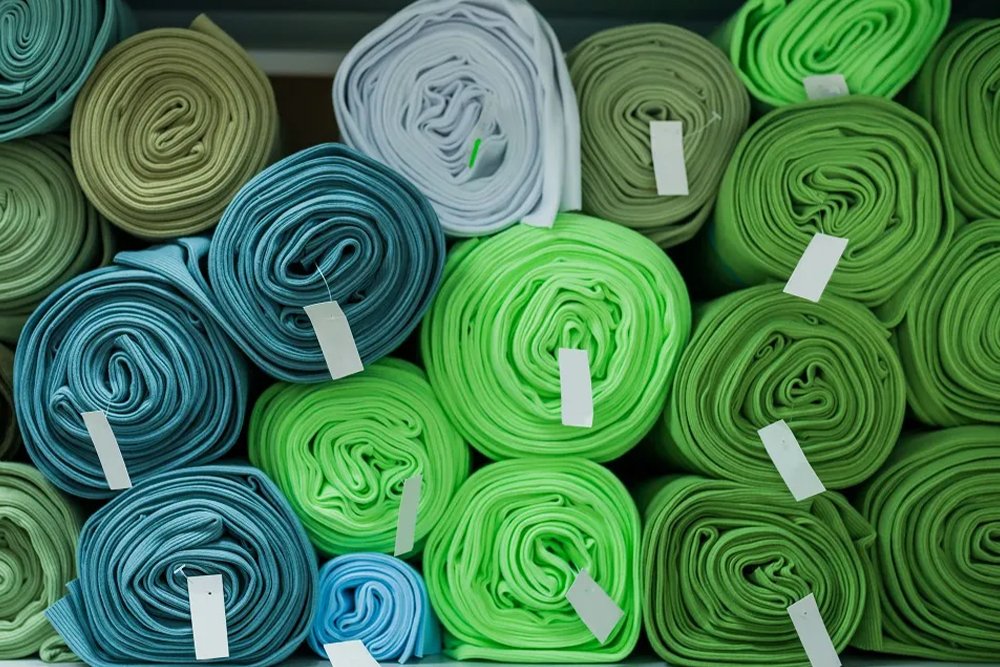
China’s share in Bangladesh’s fabric imports has surged to 78% in 2024, solidifying its position as the dominant supplier for the country’s textile sector.
This figure underscores the deep reliance of Bangladesh’s textile and apparel industry on Chinese fabric imports, which play a crucial role in fulfilling the demands of the global market.
The significant share of Chinese fabric in Bangladesh’s imports highlights the country’s continued dependence on low-cost, high-quality textiles. Bangladesh, one of the world’s largest garment exporters, has seen a steady increase in the demand for fabrics to meet the needs of its expanding textile industry. With a well-established trade relationship, China remains the top fabric supplier, surpassing other nations.
While China leads in fabric imports, India has emerged as a strong competitor in yarn imports.
India’s share in Bangladesh’s yarn supply has seen steady growth, positioning it as the primary source for yarn imports. This shift in the yarn market contrasts with the fabric sector, where China still maintains a commanding lead.
The overall fabric and yarn import figures have shown a rebound in 2024 after a slight decline in previous years.
This recovery signals the resilience of Bangladesh’s textile sector, which continues to be a significant player in the global garment manufacturing industry. As Bangladesh’s textile exports grow, the trade dynamics between China, India, and Bangladesh are evolving, with each country playing a crucial role in supplying materials that keep the industry thriving.
In summary, China’s overwhelming 78% share in Bangladesh’s fabric imports in 2024 reflects its ongoing dominance in the market, while India’s growing influence in yarn imports signals a shift in the sourcing trends for Bangladesh’s textile sector.
