

Political stability, energy reforms, and governance overhaul seen as keys to restoring investor confidence
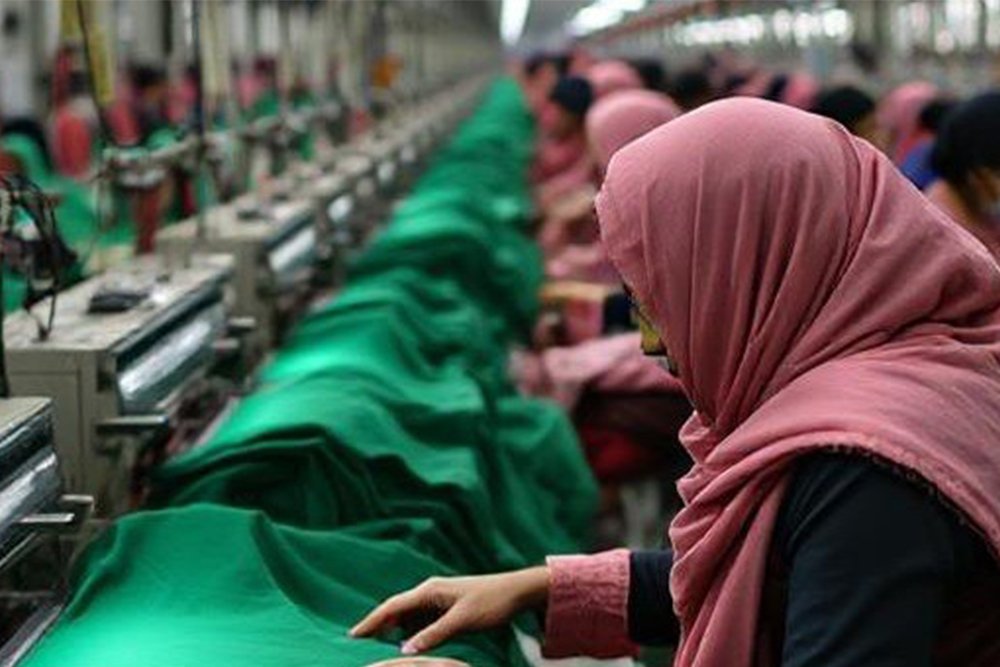
Amid global economic turbulence and domestic political volatility, Bangladesh’s textile and apparel sector—responsible for over 80% of national exports—finds itself in a period of stagnation. Yet, industry leaders remain cautiously optimistic that stability following the upcoming national elections will reignite growth.
At the 19th Bangladesh Denim Expo 2025 in Dhaka, traders and manufacturers highlighted shrinking buyer participation and falling orders. Sekip Hayit of Turkey’s Resas Chemie cited the “constraint mode” of global business amid U.S. tariffs, the Russia-Ukraine war, and Bangladesh’s uncertain political climate. Energy insecurity remains another constraint: “Uninterrupted gas supply is one of the major challenges for industries,” Hayit noted.
Mostafiz Uddin, CEO of Bangladesh Denim Expo, said the sector’s global reputation for quality remains intact but warned that “the combined impact of the global economic crisis and local instability” has slowed exports. He expects recovery “by the first quarter of next year” if stability returns.
At a BGMEA roundtable with global brands such as H&M, Inditex, PVH, and VF Corporation, industry representatives discussed competitiveness and long-term investment opportunities. BGMEA Vice President Miran Ali emphasized collaborative reforms to sustain buyer confidence and expand business potential.
However, deeper structural issues persist. Lutfey Siddiqi, the Chief Advisor’s Special Envoy, called for “design-level reforms” in governance, noting that bureaucratic inefficiency, weak interministerial coordination, and inconsistent tax and energy policies continue to deter investors.
Business leaders echoed the call for predictability. DCCI President Taskeen Ahmed said private investment has slowed markedly, while BTMA President Showkat Aziz Russell warned that inconsistent energy pricing “deters new entrants.”
Bangladesh’s textile sector remains globally competitive in capability—but without political stability, energy reliability, and structural governance reform, its full potential risks remaining unrealized.
