

The deal links market access to supply-chain politics: Dhaka gets a lower headline tariff, but the real prize is zero duty for products made with US inputs.
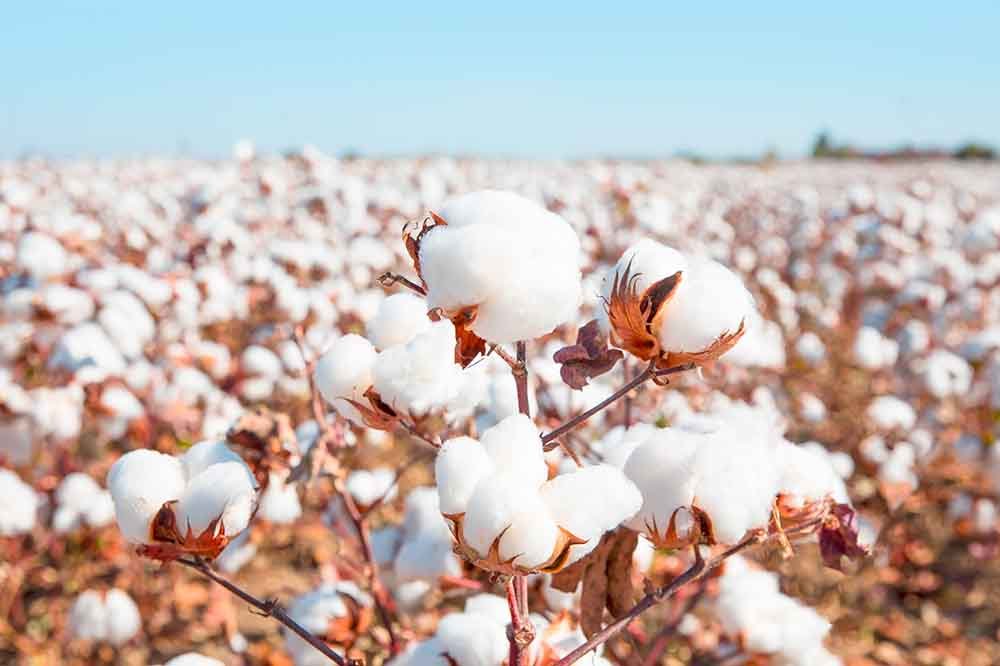
Bangladesh’s garment machine runs on thin margins and predictable access. A new US–Bangladesh trade agreement trims Washington’s reciprocal tariff on Bangladeshi exports to 19% and—more importantly—creates a path to zero tariff for certain apparel made with US-produced cotton and man-made fibre.
Muhammad Yunus, chief adviser to Bangladesh’s interim government, said the pact was signed on Monday after nine months of talks that began in April 2025.
The headline rate falls from 20% (agreed in August 2025) and far below an earlier proposed 37%. The White House, Treasury and USTR did not immediately comment in initial press queries.
Bangladesh’s leverage is obvious: ready-made garments generate over 80% of export earnings, employ roughly 4 million workers, and contribute around 10% of GDP.
A 1-point tariff move sounds small; in a commoditised category, it can decide orders. The bigger strategic twist is conditionality: preferential treatment is tied to US inputs, nudging Bangladeshi mills and garment makers to rewire sourcing—especially cotton and MMF—towards America.
Two forces collide next: politics and procurement. Bangladesh goes to the polls on Thursday (Feb 12, 2026), while brands will watch how quickly the “zero-tariff mechanism” is clarified, which product lines qualify, and whether the input rules are commercially workable. In practice, the winners will be factories that can trace fibres cleanly, lock supply contracts, and convert a policy concession into landed-cost certainty.
