

With forced-labour enforcement in the US and anti-greenwashing rules in Europe, brands are shifting from “we source responsibly” to “here is the evidence.”
For years, cotton provenance was treated as a paperwork exercise. Regulators are turning it into an evidentiary one—forcing brands to prove where fibre actually comes from, not merely where they intended it to come from.
GenuTrace, a traceability consultancy, has partnered with Kinset, a digital platform that connects supplier, material and transaction data across global supply networks. Together they are offering a “dual-layer” model for cotton: physical fibre-level verification plus Digital Product Passport-ready supply-chain data—a way to move from claimed origin to defensible origin.
Two compliance pressures are converging:
- United States (UFLPA): importers carry the burden of proof that goods are not linked to forced labour. DHS announced the addition of 37 China-based entities to the UFLPA Entity List on January 14, 2025 (with the update reflected in the Federal Register on January 15), expanding the set of suppliers whose goods can be barred.
- European Union (anti-greenwashing): Directive (EU) 2024/825 tightens rules on generic, non-verifiable environmental claims; member states must transpose by 27 March 2026 and the rules apply from 27 September 2026.
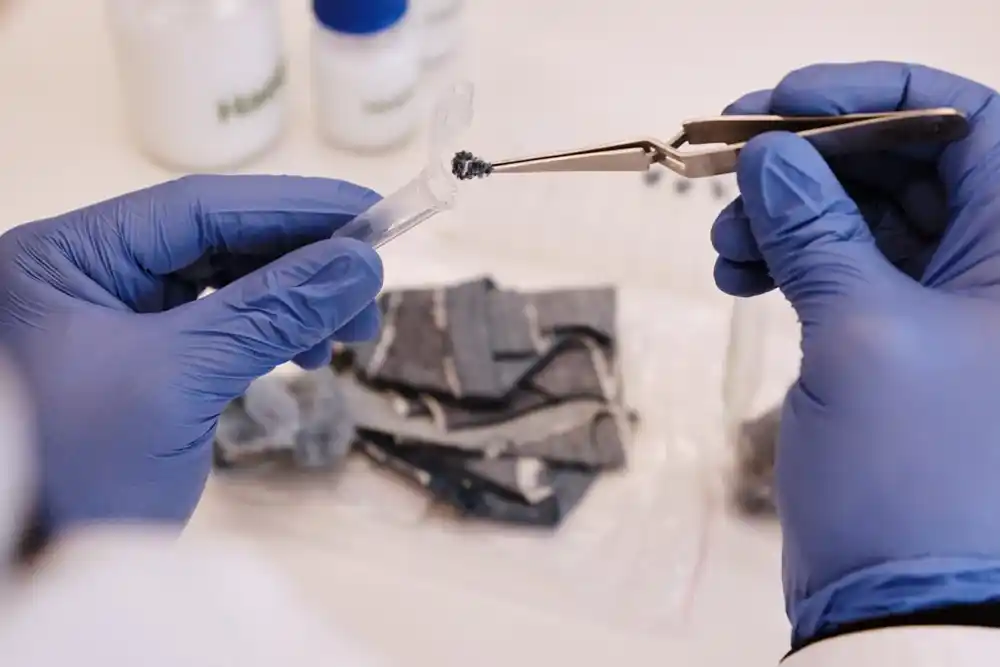
GenuTrace brings isotope testing that infers geographic origin from the cotton itself; Kinset structures and preserves the chain-of-custody data regulators want to see—without forcing brands to rebuild systems from scratch. In practice, this is compliance by design: audits backed by physics, not promises.
