

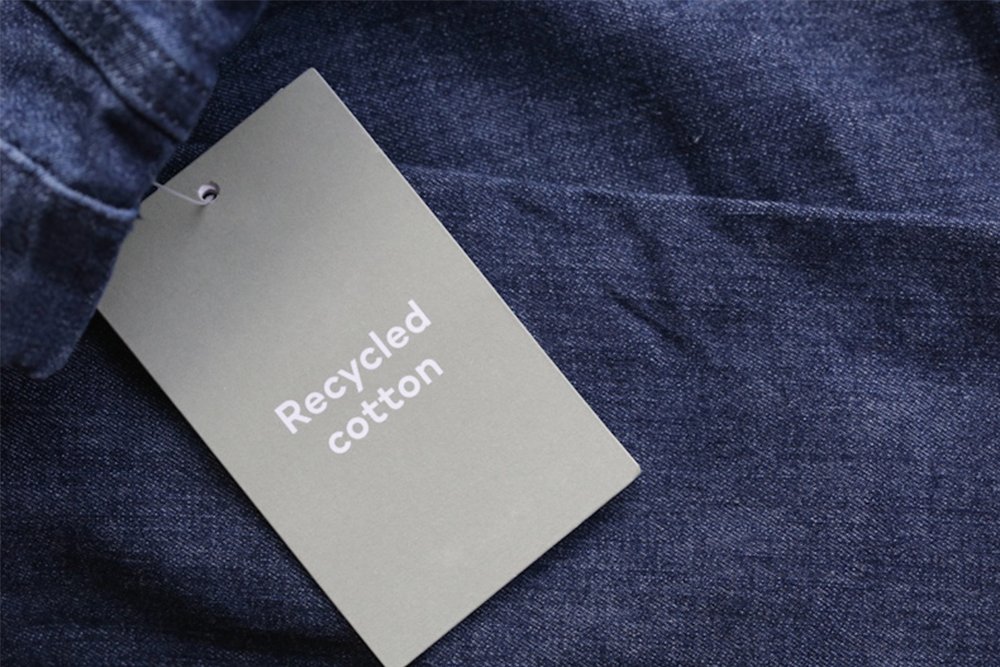
If regulators want circular textiles, they will need forensic chemistry—not marketing.
A peer-reviewed study led by researchers at Saxion University of Applied Sciences proposes a practical laboratory “toolbox” to verify mechanically recycled cotton content in garments—down to distinguishing pre-consumer from post-consumer feedstock. The work, published in Scientific Reports, is framed as a response to EU circular-textile policy pressure and mounting worries about greenwashing in recycled-fibre claims.
The toolbox combines three complementary tests that can be run independently:
- Microscopy to confirm whether mechanically recycled cotton fibres are present (a qualitative check).
- Fibre length distribution to estimate the share of recycled fibres semi-quantitatively (recycled fibres tend to be shorter because mechanical recycling damages staple length).
- Degree of polymerisation (DP) measurement to help distinguish the origin of recycled cotton—supporting separation of pre- and/or post-consumer inputs.
Recycled cotton is typically costlier to use than virgin cotton; without credible verification, the market invites inflated claims and rewards the least scrupulous. An auditable test suite would shift recycled content from “trust me” to testable, raising the cost of misrepresentation while giving brands and watchdogs a defensible basis for procurement, labelling and enforcement.
Expect a standards fight. For the toolbox to matter commercially, the sector must agree on sampling protocols, tolerances, and how results map to claims—especially in blended fabrics. But the direction is clear: circularity is becoming a compliance problem, and compliance needs measurement.
