

The proposed Ankara mission shows Bangladesh’s garment industry is looking beyond cost competitiveness alone, toward market diversification, man-made fibres, logistics and trade diplomacy.
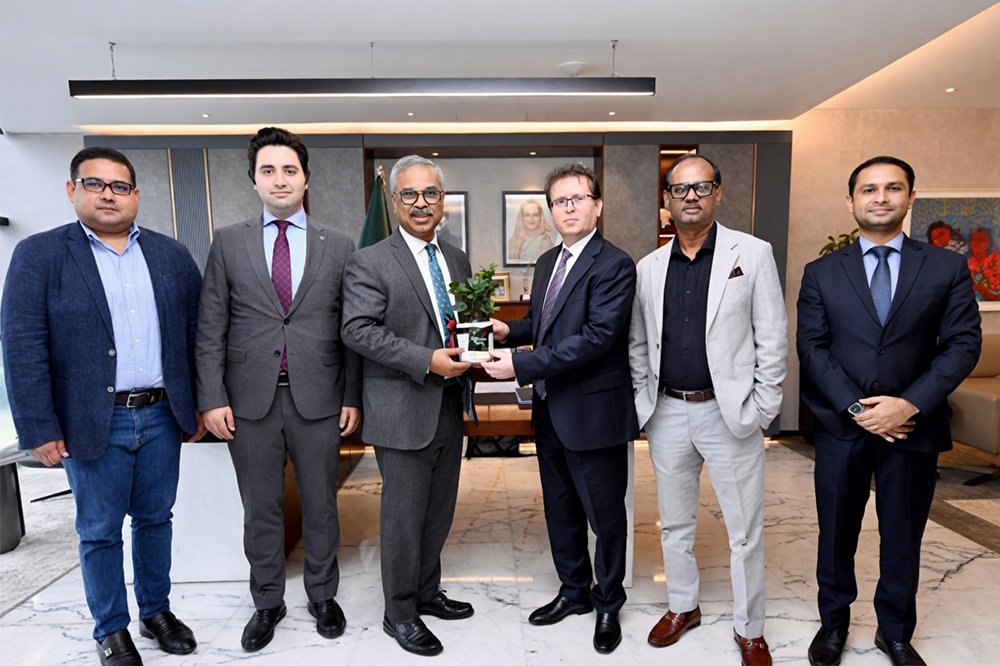
Bangladesh’s garment exporters are preparing to deepen commercial engagement with Turkey, as the Bangladesh Garment Manufacturers and Exporters Association (BGMEA) plans a high-level visit to Ankara following talks in Dhaka with Turkish Ambassador Ramis Sen. Reporting from Bangladesh indicates both sides discussed stronger textile-sector ties, including joint investment, trade expansion and closer business-to-business cooperation.
The strategic logic is broader than a routine diplomatic exchange. BGMEA says Turkey could become an important platform for product diversification, with particular interest in man-made fibre (MMF) and technical textiles — two areas where Bangladesh still trails major competitors such as Vietnam and China. The Bangladeshi side also highlighted Turkey’s stronger industrial base and refining capability as potentially useful for improving access to more competitive raw materials.
Trade policy remains central to the conversation. According to the Bangladeshi reports, both sides reviewed the need for a possible free trade agreement and the longstanding safeguard duty on Bangladeshi apparel exports to Turkey, an issue that has been a point of contention since 2011. Older BGMEA and press reports show the Turkish safeguard measure significantly affected Bangladesh’s apparel business there, making its removal a recurring industry demand.
The meeting also touched on duty-free access for garments made with Turkish cotton, imports of organic cotton and textile machinery from Turkey, and the possible use of Turkish Airlines and Istanbul Airport logistics to speed delivery into global markets. Those points matter because Bangladesh’s exporters continue to struggle with longer lead times and weaker upstream integration than some regional competitors.
One politically sensitive element was BGMEA’s reported request for Turkish diplomatic support around a slight delay to Bangladesh’s LDC graduation. Whether that produces anything tangible is uncertain, but the request reflects exporter concern about preserving trade advantages as the country transitions into a less preferential market-access regime.
The commercial takeaway is that Bangladesh is trying to reframe its export strategy. Rather than relying only on low-cost, cotton-heavy basic apparel, it is now more openly seeking partnerships that can improve market access, fibre diversification, sourcing efficiency and higher-value manufacturing capability.
