

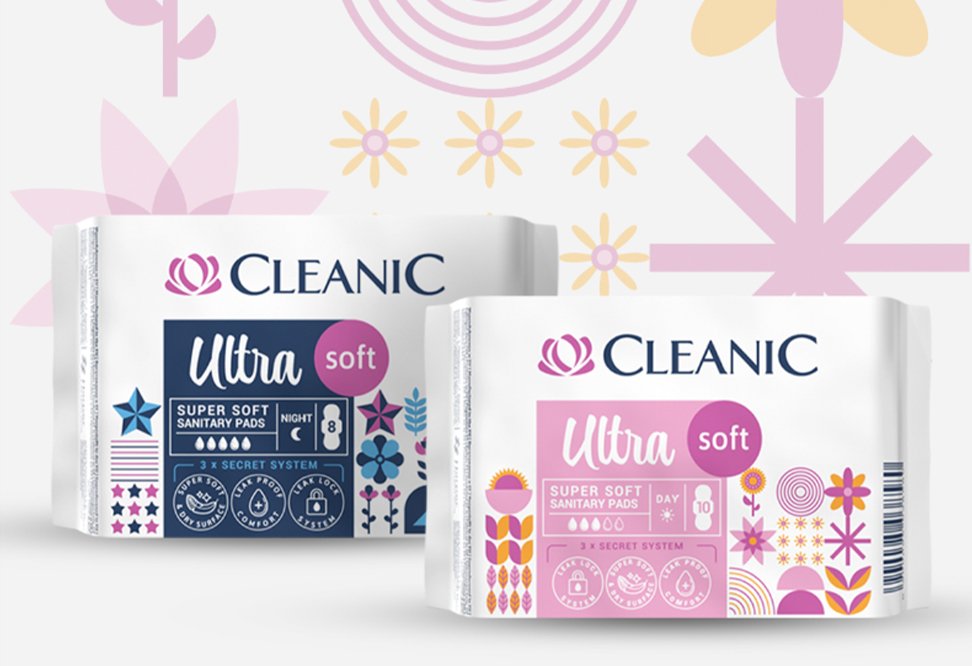
Cleanic Probiotic shows how feminine hygiene products are moving beyond absorbency into skin comfort, microbiome support and wellness-led differentiation.
Harper Hygienics has introduced Cleanic Probiotic, a new menstrual pad line designed to combine reliable protection with comfort and support for the natural intimate microbiome. The Warsaw-based company said the pads are enriched with selected Lactobacillus strains incorporated into the absorbent layer, positioning the product around freshness, comfort and support for the body’s natural protective barrier.
Microbiome claims enter absorbent hygiene
The launch reflects a wider shift in personal-care nonwovens: brands are no longer competing only on softness, absorbency and fit. Increasingly, they are adding wellness-related claims linked to skin sensitivity, breathability, natural materials and microbiome balance.
For producers of absorbent hygiene products, this changes the innovation brief. The product must still perform as a pad, but it also has to satisfy more demanding consumer expectations around intimate comfort, ingredient transparency and perceived gentleness.
Organic cotton and absorbency remain central
Cleanic Probiotic uses a 100% organic cotton top sheet, intended to provide a softer surface in contact with sensitive skin. The construction also includes a triple absorbent core for moisture management and hydrophobic wings to keep the pad stable during daily activity.
The line is being offered in two formats: day pads with wings in packs of 10 and night pads with wings in packs of 8. That gives Harper Hygienics a simple two-SKU structure covering regular daytime use and overnight protection.
A premiumisation signal for hygiene nonwovens
The commercial significance is not only the product itself, but the direction of travel. Feminine hygiene is increasingly borrowing language from skincare and health-oriented consumer categories. Organic cotton, probiotic positioning and microbiome support all help move the pad category toward premium, benefit-led segmentation.
That creates opportunities for nonwoven suppliers, absorbent-core developers, packaging teams and private-label manufacturers, but it also raises the bar for substantiation. Claims around probiotics, microbiome support and intimate care will need careful testing, clear labelling and responsible communication.
The next signal to watch is whether probiotic and microbiome-positioned hygiene products remain a niche premium offer or become a mainstream feature across pads, pantyliners, wipes and other absorbent personal-care formats.
