

Fibre composition is becoming a supply-chain issue; action must extend beyond a binary cotton-versus-synthetics message.
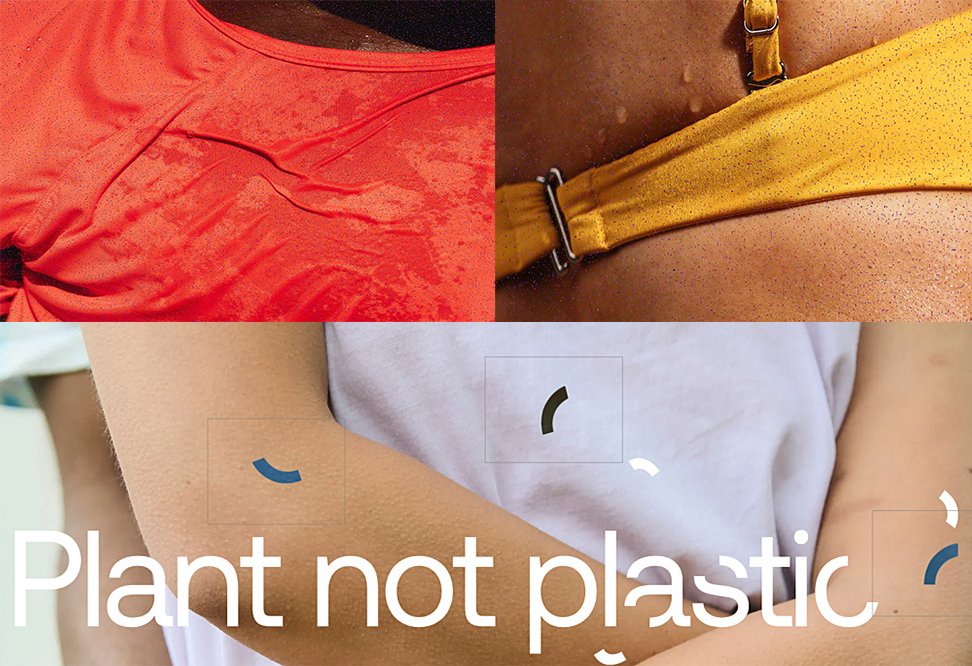
Cotton Incorporated will run a July campaign around its “Plant Not Plastic” message, using CottonWorks resources and trade events to raise awareness of microplastics and natural-fibre choices. Brands face pressure to explain a garment’s recycled content and what it may shed through production, wear, washing and disposal.
Its U.S. consumer research found awareness of microplastics rose to 41% in 2026 from 17% in 2017. Fifty-nine per cent said they were likely to seek clothing made from microplastic-free fibres. A survey of 228 textile professionals found 67% said their companies were taking, or planned to take, action to reduce microplastic pollution. These are Cotton Incorporated-sponsored surveys, not independent demand measures.
The fibre-fragmentation problem
Synthetic textiles are a recognised source of microplastics because polyester, nylon and acrylic fragments shed during manufacturing, use, laundering and disposal. The European Environment Agency estimates that synthetic textiles account for about 8% of European marine microplastics and cites global estimates of 200,000–500,000 tonnes of textile microplastics entering the marine environment annually.
Cotton’s argument rests on material chemistry. Cotton fibres are cellulosic and can biodegrade far more readily than polyester in aquatic tests. But this does not make every cotton product low impact: cultivation, irrigation, agrochemicals, dyeing, finishing, durability and end-of-life choices matter. Natural fibres also shed microfibres; the critical distinction is that synthetic fragments are plastic and persist longer.
From messaging to measurable design
For brands and mills, the response is not a single-fibre mandate. It is a product-engineering programme: reduce unnecessary synthetic fibre use; avoid hard-to-recycle blends where they add little performance value; build fabrics with lower shedding and longer service life; control fibre loss in manufacturing wastewater; and improve labelling, testing and collection systems.
The commercial test is proof. Brands able to quantify fibre composition, shed rates, durability and end-of-life pathways will be better placed than those relying on generic “natural” or “recycled” claims. Cotton Incorporated’s campaign may widen the conversation; rigorous lifecycle evidence must determine sourcing decisions.
