

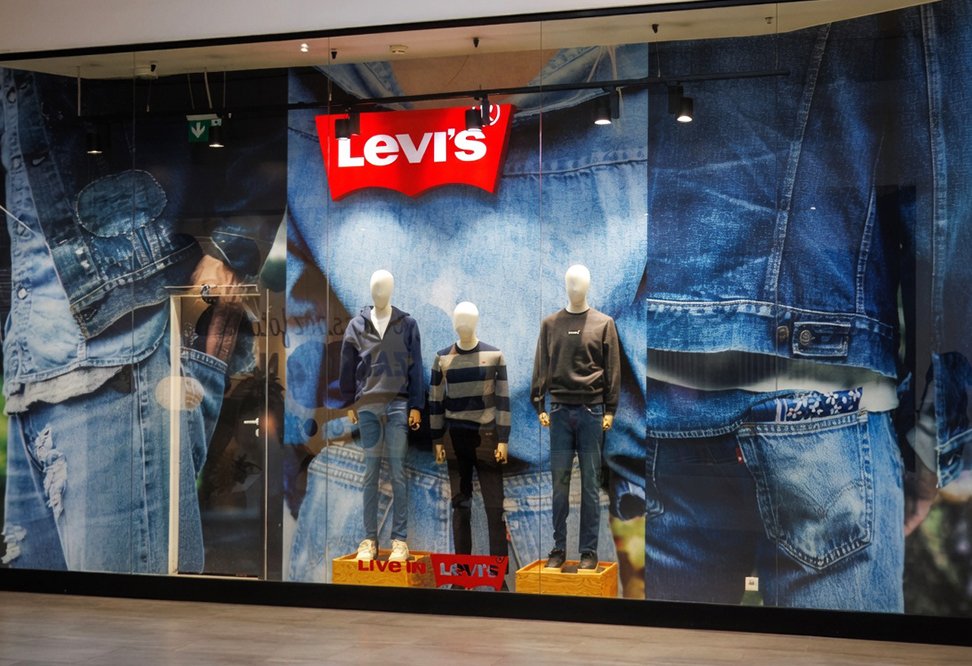
Levi’s latest results show denim demand is holding, but growth is increasingly tied to premium positioning, women’s products, direct retail and sourcing flexibility.
Levi Strauss & Co. has raised its fiscal 2026 revenue outlook after a stronger second quarter, signalling that denim demand remains resilient even as wider discretionary spending stays under pressure. The company now expects net revenue to grow 7.0% to 7.5% this year, up from its earlier forecast of 5.5% to 6.5%. Second-quarter net revenue rose 8% to $1.56 billion, ahead of analyst expectations reported by Reuters.
Premium denim gains traction
The strongest strategic signal is Levi’s push into higher-value denim. Chief Executive Michelle Gass said the company still has room to capture a larger share of the premium denim segment, with its Blue Tab line gaining traction while remaining at an early stage. Reuters reported that Levi’s is selling new jeans priced around $300 in more stores as it targets higher-income shoppers and affluent Gen Z consumers.
This matters for denim mills and laundries because premium positioning usually raises expectations for fabric hand feel, fit retention, wash aesthetics, finishing quality and product storytelling. It also gives brands more room to absorb input-cost pressure than basic five-pocket jeans.
Direct channels strengthen margins
Levi’s direct-to-consumer business grew 11% on a reported basis and accounted for 51% of second-quarter net revenue. E-commerce grew 19%, while wholesale increased 5%. Regionally, revenue rose 9% in the Americas, 10% in Asia and 4% in Europe. Beyond Yoga, the company’s activewear brand, increased 16%.
Profitability also improved. Operating margin reached 7.8%, while adjusted EBIT margin rose to 9.0%. Gross margin expanded slightly to 62.7%, helped by lower product costs and pricing actions, though tariffs and foreign exchange remained headwinds.
Sourcing pressure remains
Despite the improved outlook, Levi’s shares fell about 5% in extended trading, partly because the midpoint of its profit forecast was slightly below market expectations. The company also said it continues diversifying sourcing away from China, Bangladesh and Cambodia to manage tariff pressure. Its forecast assumes tariffs remain at 30% for China and 20% for the rest of the world.
For suppliers, the message is clear: Levi’s growth is not simply about more denim. It is about better denim, faster channels, stronger margins and more resilient sourcing. The next test will be whether premium demand can keep offsetting consumer caution and tariff-related cost pressure.
