

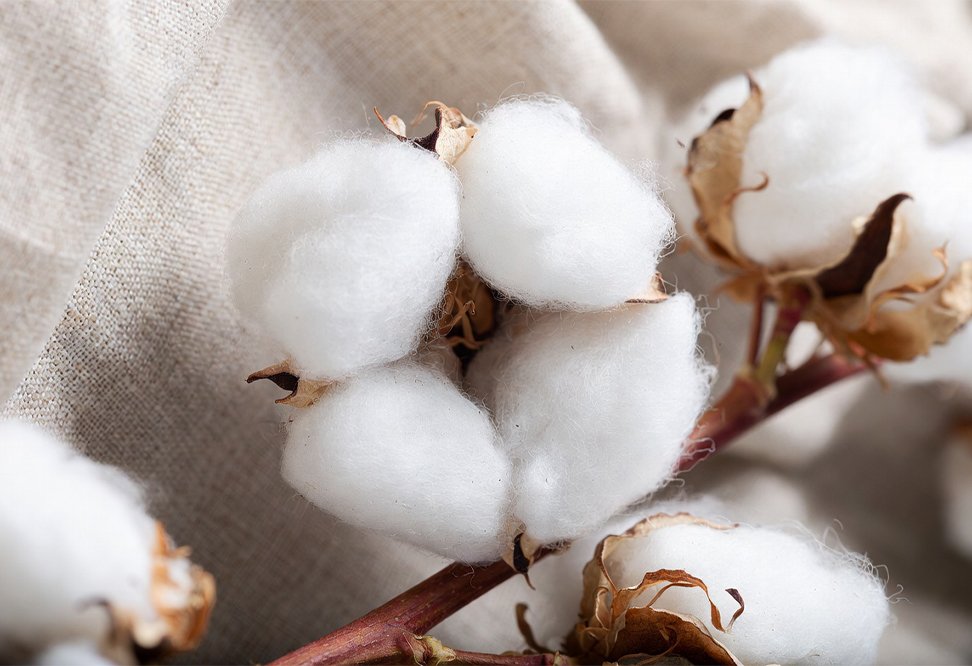
Vietnam is buying more US cotton while selling more garments back to American consumers, creating a commercially valuable—but increasingly exposed—bilateral textile relationship.
Vietnam imported approximately $1.3 billion of US cotton in 2025, an increase of 122% from the previous year, according to the US Department of Agriculture. Tuoi Tre reported that Vietnam became the largest buyer of American cotton during the year, while USDA identifies the United States as Vietnam’s leading cotton supplier.
The trade is mirrored downstream. Vietnam exported $6.81 billion of textiles and garments to the United States during the first five months of 2026, up 1.3% year on year. The US absorbed about 45% of the sector’s exports during the period, remaining its largest market.
Cotton enters, garments return
The figures illustrate an increasingly integrated supply-chain loop. US fibre is shipped to Vietnam for spinning, weaving, knitting and garment manufacturing; finished products are then sold to American brands and retailers.
Vietnam exports around 1.05 million tonnes of cotton yarn in 2025, primarily to China and other international markets. This shows that imported cotton supports not only garment production but also Vietnam’s position as a major regional yarn supplier.
The wider textile sector generated estimated exports of $22.2 billion and a trade surplus approaching $10 billion in the first half of 2026. However, export growth remained modest at 1.7%, reflecting weak global demand and strong price competition.
Traceability strengthens US cotton’s appeal
For Vietnamese mills serving the US market, American cotton offers more than fibre quality. Documented origin can support buyer requirements related to forced-labour due diligence, customs enforcement and cotton traceability.
This advantage will become more valuable as brands demand evidence connecting fibre origin, spinning mills, fabric production and finished garments. Suppliers able to preserve transaction-level cotton data throughout the value chain will be better positioned to defend market access and premium customers.
Concentration creates exposure
The relationship also carries risk. Heavy dependence on one raw-material origin and one finished-goods market leaves Vietnam exposed to cotton-price movements, tariffs, trade-policy changes and US consumer demand.
The next commercial test will be whether Vietnam can deepen US cotton sourcing while diversifying export markets and expanding domestic fabric production. The bilateral loop is strategically valuable, but resilience will require stronger localisation and broader demand.
