

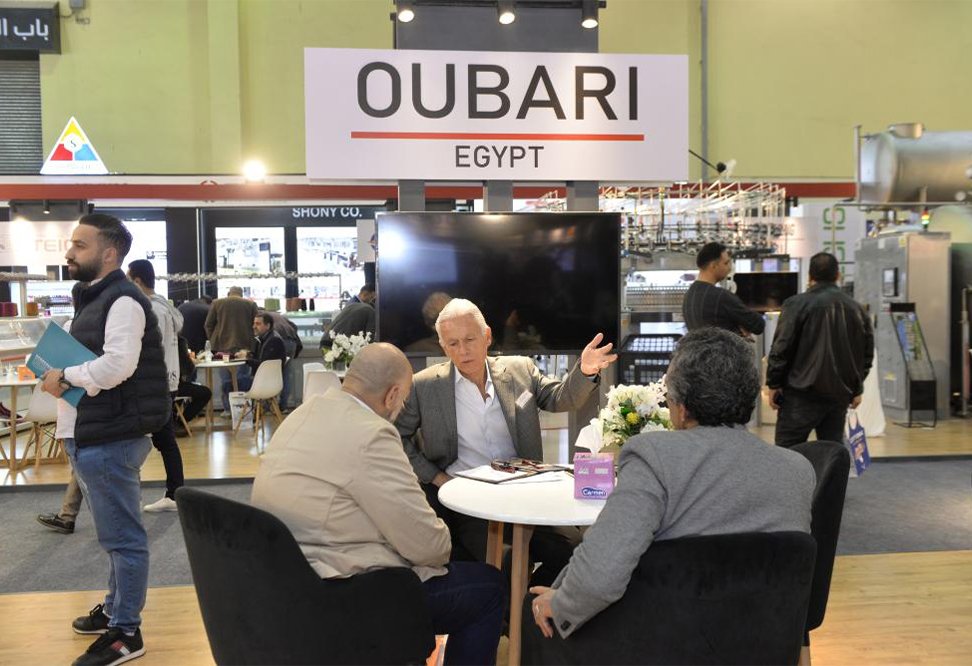
The September exhibition will test machinery demand as Egyptian manufacturers pursue automation, lower production costs and stronger export competitiveness.
Cairo will host the 24th Egypt Stitch & Tex Expo from September 24–27, 2026, bringing textile, carpet, garment and printing technologies together at the Cairo International Convention Center in Nasr City. The event’s official website confirms the dates, venue and focus on machinery, printing, auxiliaries and manufacturing innovation.
Organisers expect 425 Egyptian and international exhibitors to occupy approximately 40,000 square metres under the theme “The Textile Experts Show”. The exhibition will connect machinery manufacturers, mills, garment producers, investors, suppliers and technology providers seeking partnerships, equipment sales and regional market access.
Machinery modernisation takes centre stage
The exhibition arrives as Egyptian textile and apparel producers seek to modernise factories, improve product quality and lower operating costs. Technologies are expected to span spinning, weaving, knitting, carpet production, garment manufacturing, digital printing, finishing, automation and production-control systems.
Mohamed Abdel Salam, chairman of the Ready-Made Garments Chamber at the Federation of Egyptian Industries, said access to advanced machinery could help domestic manufacturers upgrade production lines and strengthen competitiveness. A parallel conference will bring government officials and industry leaders together to discuss the sector’s future.
Cairo positions itself as a regional gateway
Vision Fairs, the event organiser, describes Stitch & Tex as a platform linking international machinery suppliers with markets across Egypt, the Middle East and Africa. Its wider exhibition portfolio reports more than 2,000 historical exhibitors, 4,500 represented brands and participation from 35 countries, although these are cumulative organiser figures rather than projections for the 2026 edition.
Confirmed participants include Belgium-based Vandewiele, which plans to present technologies for textile manufacturing, automation and more sustainable production.
For Egyptian mills, the commercial test will be whether exhibition interest converts into financed machinery orders. Foreign-exchange availability, borrowing costs, energy efficiency, after-sales support and technician capability will determine whether new equipment produces measurable gains in output, quality and export margins.
