

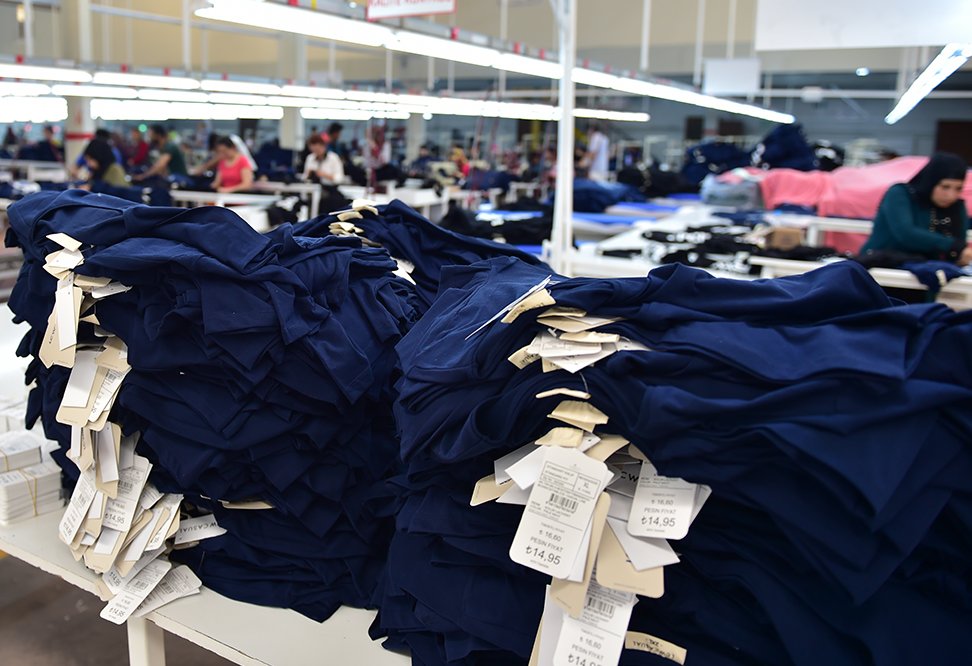
Cotton is gaining relative favour as US importers use fibre composition alongside sourcing-country shifts to manage an increasingly expensive tariff environment.
US apparel import data for June 2026 provides further evidence that tariff pressure is influencing not only where garments are sourced, but what fibres they contain. The latest Office of Textiles and Apparel data indicate cotton-based products are holding up better than man-made-fibre apparel as importers reassess landed costs.
Cotton has a built-in tariff advantage
The economics start with the US tariff schedule. Conventional most-favoured-nation duties on many cotton garments typically fall around 8–16%, while comparable apparel made entirely from man-made fibres can carry rates of roughly 16–32%, depending on the product classification. That difference creates significant scope for “tariff engineering” through fibre and product design.
The shift was already visible in 2025. Cotton apparel increased to 39.9% of US apparel imports by quantity, from 38.5% in 2024 and 37.8% in 2023. Man-made-fibre apparel moved in the opposite direction, falling to 56.6% from 57.9% and 59%, respectively.
Second-quarter 2026 data show the broader market remains weak: US apparel imports fell 3.9% by value to $17.4 billion. Cotton apparel declined 4.7% in value, while man-made-fibre apparel fell 4.6%; MMF volumes contracted more sharply, reflecting greater pressure on synthetic-based sourcing.
Tariff pressure now operates on two levels
Importers are therefore optimising simultaneously by country of origin and fibre composition. That calculation became still more complex after USTR imposed additional 10% or 12.5% Section 301 tariffs on most imports from 60 trading partners from July 24, although those measures occurred after the June trade data and therefore cannot explain June’s results.
Cotton exporters gain an opening
For Bangladesh, Pakistan, India and other cotton-oriented apparel suppliers, the trend creates an opportunity in T-shirts, trousers, denim, shirts and other cotton-rich categories. But it also presents a strategic risk: over-optimising for tariff-efficient cotton could slow investment in MMF capabilities needed for activewear and performance apparel.
The key signal over the next several months will be whether July’s new tariffs accelerate fibre substitution, turning cotton’s modest market-share gain into a more structural sourcing shift.
